Calabasas Gated Communities Lifestyle, Privacy & Perks
May 28, 2026
May 28, 2026
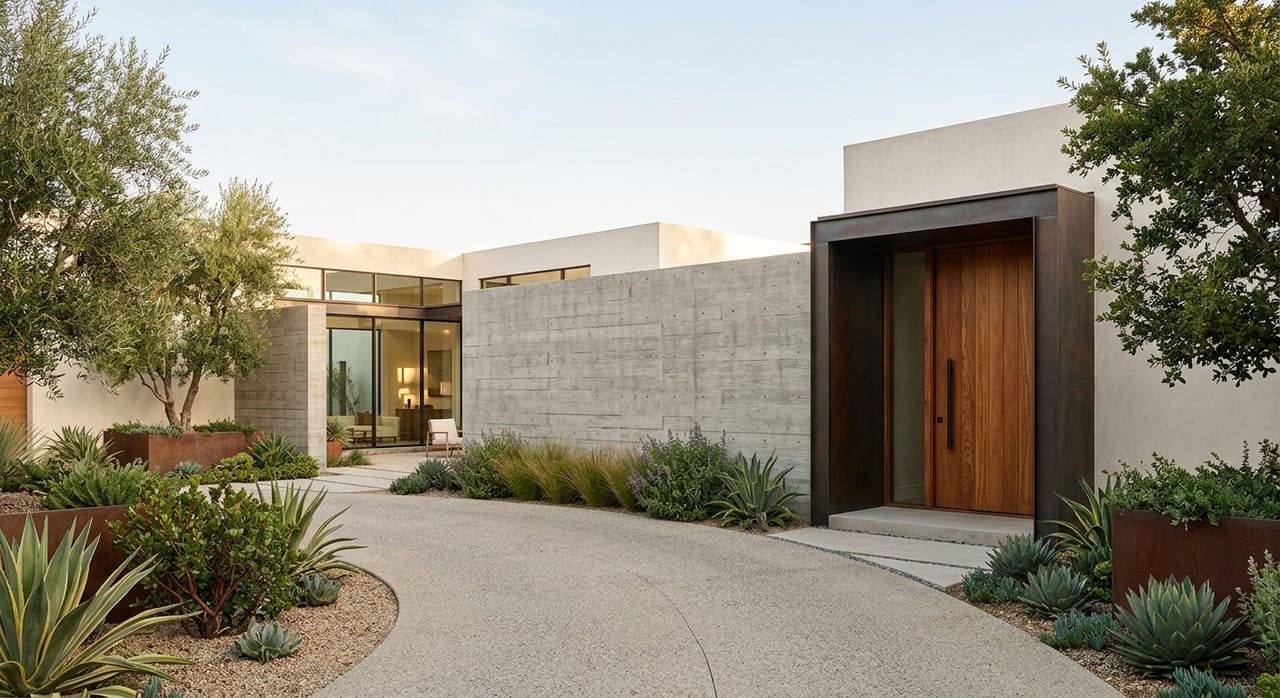
If privacy is at the top of your wish list, Calabasas gated communities tend to stand out for a reason. This part of Los Angeles County offers a very different feel from more open suburban neighborhoods and a distinctly different rhythm from the coast. If you are weighing lifestyle, access, amenities, and the realities of HOA living, this guide will help you understand what gated living in Calabasas actually looks like. Let’s dive in.
Calabasas covers about 13.3 square miles in the southwestern San Fernando Valley, roughly 22 miles northwest of downtown Los Angeles. It sits between the foothills of the Santa Monica and Santa Susanna Mountains, which gives many neighborhoods a canyon-and-hillside setting rather than a flat suburban layout.
That geography shapes the experience behind the gates. In many parts of Calabasas, privacy comes not just from controlled entry, but also from hillside streets, buffers between homes, and a quieter residential pattern. The result often feels tucked away without being disconnected from daily life.
One of the biggest misconceptions about Calabasas is that all gated neighborhoods are the same. City materials show a cluster of HOA-managed communities, including The Oaks, The Estates at the Oaks, Calabasas Park Estates, Braewood, Westridge, Vista Pointe, Calabasas Hills, and Bellagio, among others.
That matters because each enclave can offer a different mix of housing, governance, and day-to-day expectations. Some areas lean toward estate-style single-family living, while others are part of a broader mix that includes townhome and condo communities. If you are shopping in Calabasas, it helps to think in terms of a spectrum of gated options, not a single lifestyle package.
For many buyers, The Oaks is the clearest reference point for gated luxury in Calabasas. City history shows the project moved forward with 550 homes, and planning records describe steep slopes, engineered hillside pads, drainage infrastructure, and residential streets shaped by the terrain.
That background helps explain why communities like The Oaks feel so distinct. You are not just buying a house inside a gate. You are often buying into a master-planned hillside environment with curated streetscapes, maintained common areas, and a stronger sense of enclosure.
In practical terms, privacy in Calabasas often comes from a combination of features. Controlled access is part of it, but so are private or semi-private streets, landscaped common areas, and hillside topography that naturally reduces through traffic and sightlines.
This can create a calmer, more residential feel than you may find in open neighborhoods. For buyers who value discretion, reduced pass-through activity, and a more defined sense of arrival, that combination is often a major draw.
It is also worth noting that a gate does not always mean complete separation from the public. The City of Calabasas notes that Freedom Park sits within the gated community of Braewood and remains open to the public during daylight hours through a pedestrian gate, with vehicular access available for older or disabled visitors upon request. In other words, privacy can be layered rather than absolute.
A big part of the appeal is what happens after you enter. In some Calabasas gated communities, the lifestyle centers on maintained roads, landscaped entries, and private neighborhood amenities that support a more self-contained feel.
The Oaks is often cited as an example of this amenity-rich model, with background sources describing features like a guarded entrance, community park, clubhouse, pool, sports courts, picnic areas, and walking paths. Even without focusing on any single amenity package, the broader takeaway is clear: some Calabasas enclaves are designed to deliver more than just restricted entry.
At the same time, life in a gated community here does not have to feel isolated. Calabasas also offers a wider network of public parks, trails, the Calabasas Community Center, the Senior Center, the Calabasas Tennis & Swim Center, and shopping, dining, and entertainment at The Commons at Calabasas.
For many buyers, the sweet spot is this balance. Behind the gates, the setting often feels quieter and more controlled. Outside the gates, you still have access to everyday conveniences and city amenities that support an easy routine.
That rhythm is one reason Calabasas appeals to buyers who want privacy without giving up accessibility. You can enjoy a more tucked-away home environment while staying connected to recreation, services, and neighborhood retail.
Gated living in Calabasas usually comes with an HOA, and that is an important part of the ownership experience. In California, HOA membership typically means following the association’s governing documents, including CC&Rs, bylaws, and board rules.
Those rules may cover issues such as exterior changes, fence placement, maintenance standards, and how violations are handled. If you are considering a purchase in a gated enclave, it is smart to look at the HOA as closely as you look at the home itself.
Many buyers are drawn to gated neighborhoods because of their consistency and upkeep. In most cases, that polished appearance is supported by HOA oversight, regular dues, and some level of architectural review.
In plain English, that can mean approval processes for exterior improvements, landscaping expectations, gate or access policies, and dues that fund common-area maintenance. These structures often help preserve the look and function of the neighborhood, but they also add a layer of administration that buyers should be ready for.
California’s common-interest-development framework also puts real structure around finances and operations. The California Department of Real Estate notes that annual operating statements and balance sheets must be distributed to members within 120 days after the fiscal year ends, and reserve account needs are expected to be studied on a recurring basis, generally every three years.
Why does that matter to you? Because the quality of reserve planning can affect long-term maintenance, monthly dues, and the possibility of future increases or special assessments.
Local examples make this easier to understand. Braewood’s association offers online architectural applications, service requests, homeowner payments, and rules access, while Mountain View HOA publishes board and committee information along with budget materials that include a monthly assessment increase from $156 to $170 effective August 1, 2025. These examples show that HOA engagement is not theoretical. It is part of everyday ownership.
Before you buy in a Calabasas gated community, review the following:
A gated lifestyle can be highly appealing, but it works best when you understand both the perks and the obligations from the start.
Not every buyer in Calabasas wants the same level of structure. City HOA records suggest that some local communities have more formal management, while others are less tightly governed or not managed in the same way.
That creates a meaningful choice within the same city. If you prefer stricter standards, more controlled access, and stronger separation from surrounding streets, a gated enclave may be the better fit. If you want more flexibility and a more traditional suburban feel, an open neighborhood may suit you better.
Neither option is universally better. It comes down to how you prioritize privacy, convenience, oversight, and the look and feel you want day to day.
For buyers comparing luxury options across Greater Los Angeles, Calabasas and Malibu offer very different versions of privacy. Malibu stretches across 21 miles of coastline, and the city notes that its beaches and highways draw millions of visitors during the summer season.
That creates a distinctly ocean-first lifestyle. You may gain immediate beach access, coastal scenery, and the energy that comes with a highly visible destination, but you may also experience more public activity and seasonal traffic.
Calabasas offers a different trade-off. It is more inland, more hillside-oriented, and often more privacy-forward in how communities are planned and experienced. If Malibu is about living close to the water and embracing that public-facing coastal atmosphere, Calabasas is often about a quieter, more enclosed residential setting with strong access to parks, recreation, and everyday amenities.
While every buyer is different, gated Calabasas often appeals to people who value a more controlled home environment. You may be drawn to it if you want a stronger sense of arrival, less through traffic, and neighborhood standards that support visual consistency.
It can also appeal if you are looking for a lock-and-leave feel or prefer a setting where common areas and access points are actively managed. The right fit depends on your priorities, but the appeal usually comes down to privacy, predictability, and lifestyle convenience.
Calabasas gated communities are best understood as a collection of distinct enclaves, not a one-note market. Some are more estate-driven and amenity-rich, while others offer a more modest or mixed housing profile. Across that range, the common thread is a lifestyle shaped by controlled access, hillside geography, and HOA-managed standards.
If you are exploring Calabasas, the key is to look beyond the gate itself. Ask how each community handles privacy, amenities, rules, budgeting, and access to the broader city. When you match those details to your lifestyle, you are far more likely to find the right fit.
If you are weighing Calabasas against Malibu or other luxury enclaves across Greater Los Angeles, The Malibu Life offers thoughtful, high-touch guidance tailored to your goals, privacy priorities, and preferred lifestyle.

Four ocean-inspired murals have popped up around town. Here's where to find them.

From Sinkhole Headlines to Sandy Shores: Our Latest Look at Malibu’s Beaches

A closer look at Malibu’s elusive gray foxes
Pickleball is coming to Malibu, and Madison is joining in. Here’s your guide to the Veolia Malibu Showcase, from watching the action to getting on the court.


Here’s your guide to celebrating Halloween in and around Malibu this October.
Here’s what buyers, sellers and renters should know heading into fall.

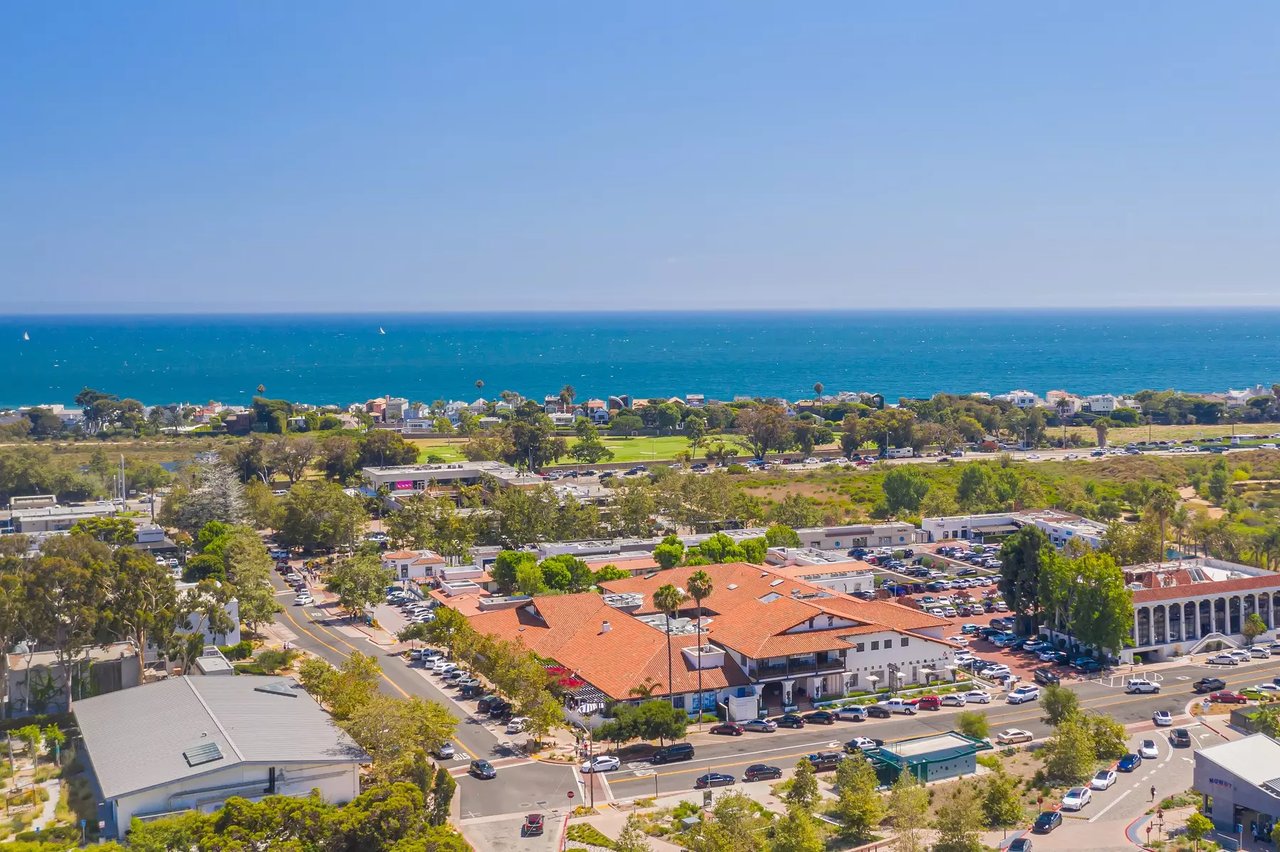
Discover why buyers are attracted to Central Malibu

Discover three reasons buyers are drawn to East Malibu.

Why space, privacy and easy beach access continue to draw buyers to West Malibu.

The Malibu Life Team
Madison Hildebrand | CA DRE# 01413280
Jennifer Chrisman | CA DRE# 01325526
24903 Pacific Coast Highway #200,
Malibu, CA 90265