Choosing A Santa Monica Neighborhood As A Luxury Buyer
July 2, 2026
July 2, 2026
If you are searching for luxury real estate in Santa Monica, one question matters more than almost any other: what kind of daily experience do you want when you step outside your front door? In a compact beach city with only 8.3 square miles, neighborhood differences can feel surprisingly sharp. The right fit often comes down to streetscape, privacy, walkability, housing type, and how much activity you want woven into your routine. Let’s dive in.
Santa Monica offers three miles of Pacific coastline, a 245-acre state beach, 32 city parks, and a lifestyle shaped by walking, biking, transit, retail, tourism, and employment activity. That mix creates a city where two homes just a short distance apart can deliver completely different living experiences.
For luxury buyers, this is why a Santa Monica search should never be reduced to “close to the beach.” Some areas feel quiet and residential with larger parcels and mature trees. Others are more urban, mixed-use, and amenity-rich, with easy access to shopping, dining, parks, and the coast.
The city’s recent redesign of Ocean Avenue, with protected bikeways and expanded pedestrian space linking downtown to the beach, reinforces that point. In Santa Monica, lifestyle is often defined by how you move through the city as much as by the view from your property.
Before you focus on a specific neighborhood, it helps to define what luxury means to you in Santa Monica. In this market, buyers are often choosing between very different product types and street environments.
Ask yourself which of these matters most:
That framework is often more useful than trying to rank neighborhoods. Santa Monica’s micro-markets tend to reflect product type, lot size, and streetscape more than simple distance to the ocean.
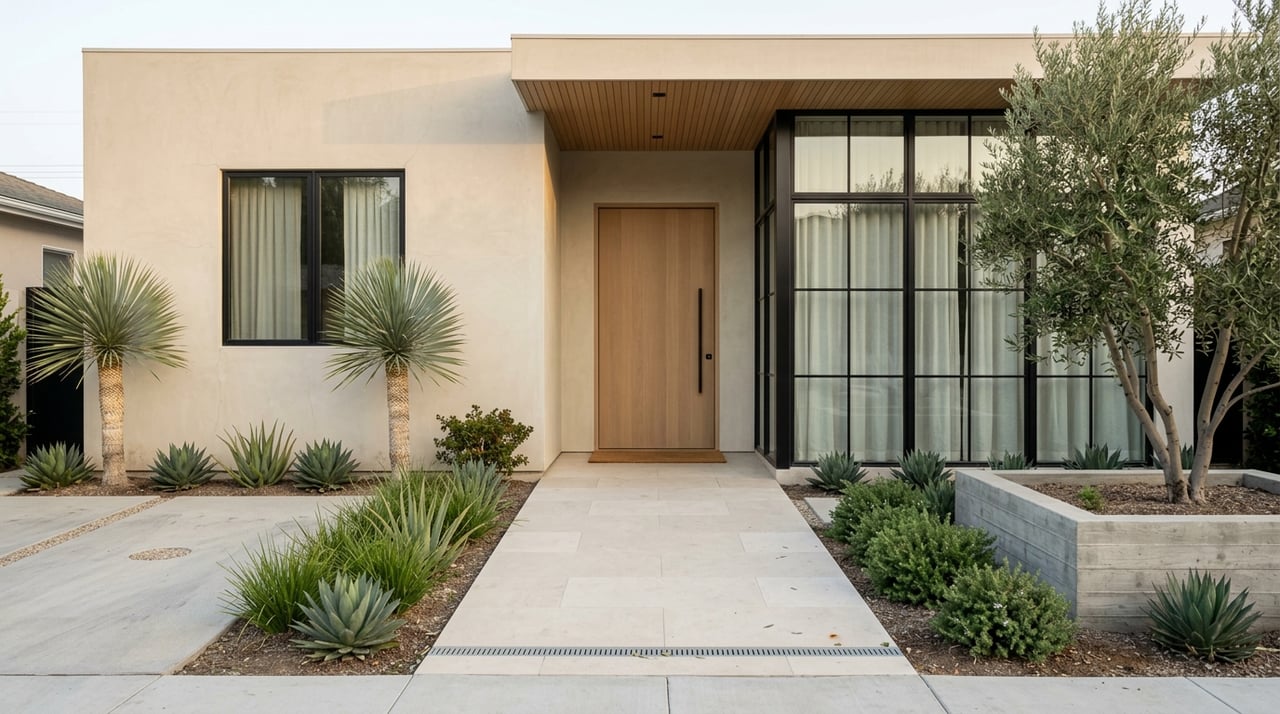
North of Montana is often the first stop for buyers who want a more traditional luxury residential setting. City planning materials describe it as the northern-most part of Santa Monica, with lower-density one- to two-story single-family housing on large, tree-lined parcels, plus medium-density housing closer to Ocean Avenue.
This is one of the city’s clearest options if you want scale, privacy, and a calmer street presence. Areas north of San Vicente can include large irregular lots with views toward the ocean or Santa Monica Canyon, adding another layer of appeal for buyers who value both setting and separation.
Montana Avenue also gives the area a low-scale retail corridor rather than a dense urban center. That helps North of Montana feel established and residential while still offering everyday convenience.
Recent Redfin data put the median sale price in North of Montana at $3.89 million, with homes spending about 44 days on market in May 2026. That pricing underscores its position as one of Santa Monica’s most competitive luxury enclaves.
North of Montana may be the right fit if you want:
Wilshire-Montana, sometimes referenced as Montana-Wilshire, offers a different version of Santa Monica luxury. The neighborhood is flatter and more urban in feel, with a rectilinear grid made up mostly of early-20th-century and postwar multi-family housing, along with scattered single-family homes.
For buyers who want the Santa Monica address, beach access, and a more condo- or apartment-oriented product mix, this area deserves a close look. It can offer a practical entry into luxury Santa Monica living without requiring the scale or budget often associated with North of Montana.
The appeal here is less about estate-style privacy and more about convenience and coastal access. If you like being able to move easily between home, shops, and the beach, this neighborhood can align well with that rhythm.
Redfin’s Montana/Wilshire snapshot shows a median sale price of $1.49 million and about 48 days on market. That makes it a notable option for buyers comparing value, location, and housing type.
Ocean Park stands out for buyers who want beach proximity without leaning fully into a resort-like environment. The city defines it as the southwest part of Santa Monica, centered around Main Street, with low- to mid-rise multifamily housing and interspersed single-family units.
This neighborhood often appeals to buyers who want daily-life convenience built into the coastal experience. Main Street, outdoor dining, neighborhood retail, the Ocean Park Branch Library, and the long-running Main Street Farmers Market all support a lifestyle that feels active but still grounded in local routine.
The city has also upgraded Ocean Park Boulevard with wider sidewalks, trees, protected crosswalks, and bike lanes. Those improvements strengthen the neighborhood’s pedestrian-friendly and bike-friendly feel.
Ocean Park is less about grand residential scale and more about texture, walkability, and a lived-in beach neighborhood identity. Redfin currently shows Ocean Park as somewhat competitive, with homes going pending in about 58 days.
Ocean Park may suit you if you want:
If your version of luxury includes a quieter residential environment with strong neighborhood fabric, Sunset Park may be worth serious attention. It is one of Santa Monica’s largest residential neighborhoods, and city planning documents tie much of its housing pattern to 1930s and 1940s worker-housing history.
That history helped shape the neighborhood’s character today: quiet, tree-lined streets, deep front setbacks, smaller single-family homes, a limited number of multi-family buildings, and one- and two-story courtyard apartments. It feels more inland and neighborhood-scaled than the oceanfront districts.
City materials also point to parks, grocery stores, neighborhood businesses, libraries, and public schools along the broader corridor, including Clover Park and the Ocean Park Boulevard area. For buyers who care about a more grounded residential routine, Sunset Park can offer a compelling alternative to Santa Monica’s busier coastal edges.
Redfin’s current snapshot shows a median sale price of $1.79 million and about 36 days on market in May 2026. That combination suggests a market that remains active while offering a distinct identity from Santa Monica’s more tourism-driven zones.
Some luxury buyers want Santa Monica at its most connected and most dynamic. Downtown, Ocean Avenue, and the oceanfront corridor deliver that experience through a concentrated mix of housing, retail, parks, beach access, and transit.
This is the city’s flagship mixed-use core, anchored by the Third Street Promenade, Santa Monica Place, the light rail station, Tongva Park, and the Pier area. Ocean Avenue remains one of Santa Monica’s most iconic addresses, and recent mobility improvements have expanded pedestrian space and strengthened links between transit, downtown, and the beach.
For the right buyer, this setting can feel effortless and energizing. You are close to activity, culture, dining, and waterfront access in a way that is hard to replicate elsewhere on the Westside.
The tradeoff is equally clear. Compared with North of Montana or Sunset Park, this area brings more visitors, more daily activity, and less of a quiet residential feel.
This area may be right for you if you want:
Santa Monica’s neighborhood differences show up clearly in the numbers. Recent Redfin data put Santa Monica citywide at about $1.74 million median sale price, but the spread between micro-markets is wide.
| Area | Median Sale Price | Days on Market |
|---|---|---|
| Santa Monica | $1.74M | Not specified |
| North of Montana | $3.89M | 44 |
| Montana/Wilshire | $1.49M | 48 |
| Sunset Park | $1.79M | 36 |
| Ocean Park | Not specified | 58 |
These gaps mostly reflect housing type, lot size, and streetscape. A larger single-family home on a quiet, tree-lined block will compete in a different lane than a condo near downtown or a multifamily-oriented property near Main Street.
Santa Monica buyers often cross-shop with other coastal Westside markets. If you are still refining your priorities, these nearby comparisons can be useful.
Venice often appeals to buyers who want a more idiosyncratic coastal setting. Los Angeles planning materials describe areas such as the Lost Venice Canals district as beach-close residential neighborhoods with irregular streets, modest lots, and early-20th-century architectural character, while walkstreets reinforce a pedestrian-first atmosphere.
Redfin’s current Venice snapshot shows a median sale price of $1.90 million and about 47 days on market. Compared with Santa Monica, Venice can feel more eclectic in layout and street pattern.
Pacific Palisades offers a quieter, more single-family-oriented alternative. Community and planning materials describe it as low-intensity and community-oriented, with bluff and canyon settings that create a very different residential mood from Santa Monica’s flatter urban grid.
Recent Redfin data show a median sale price of $2.83 million and about 54 days on market. Buyers who want hillside or canyon character often compare it with Santa Monica’s more traditional coastal neighborhoods.
Marina del Rey is best understood as a harbor-centered planned community rather than a traditional neighborhood grid. Los Angeles County describes it as an 804-acre county-owned marina with 406 acres of water, thousands of wet slips, and extensive dry storage.
That makes it a different proposition for buyers who prioritize marina views, boating access, and a more vertical waterfront lifestyle. Redfin’s current all-home-types median sale price is $774,500, with about 48 days on market.
If you are deciding where to focus, keep your search anchored to the lived experience you want, not just the map. In Santa Monica, luxury is highly specific to block pattern, housing type, and how public or private your day-to-day setting feels.
A simple way to narrow your search is to match your priorities to the city’s main neighborhood profiles:
The best luxury purchase is not always the one closest to the water. It is the one that best fits how you want to live.
If you are comparing Santa Monica’s micro-markets and want tailored guidance on lifestyle fit, product type, and off-market or on-market opportunities across the coastal Westside, connect with The Malibu Life.
From Sinkhole Headlines to Sandy Shores: Our Latest Look at Malibu’s Beaches
A closer look at Malibu’s elusive gray foxes
Pickleball is coming to Malibu, and Madison is joining in. Here’s your guide to the Veolia Malibu Showcase, from watching the action to getting on the court.

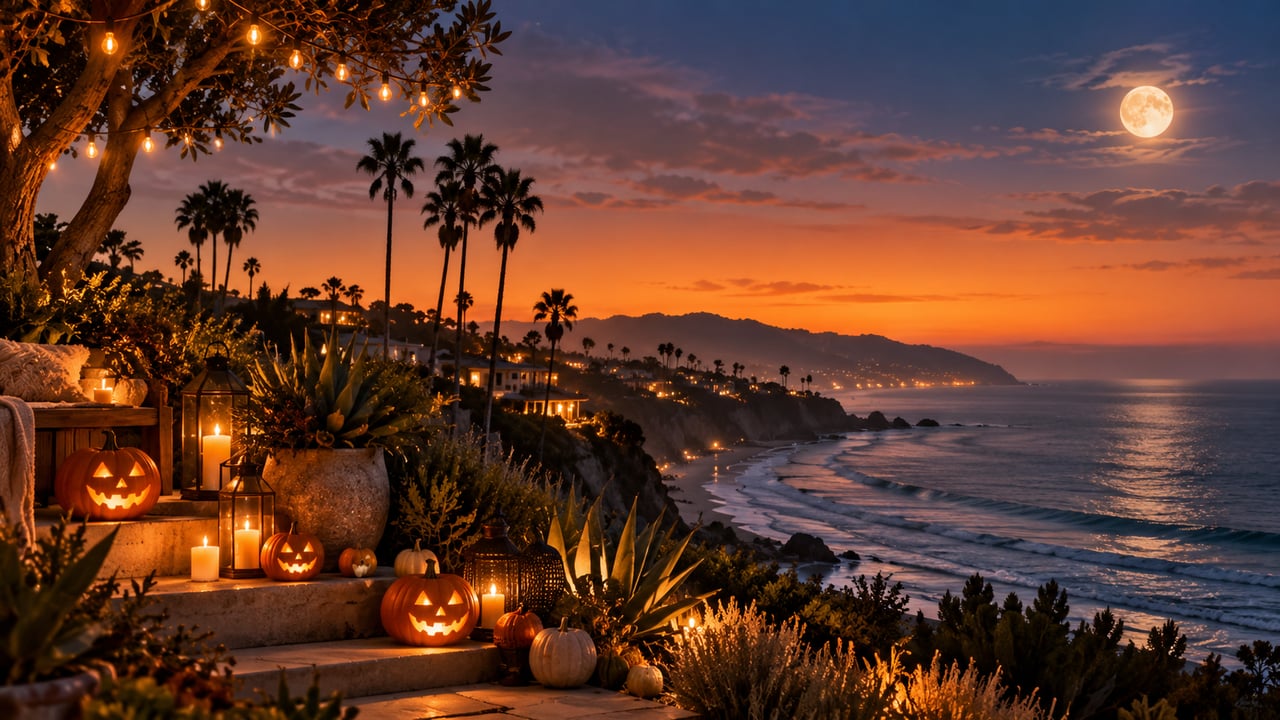
Here’s your guide to celebrating Halloween in and around Malibu this October.
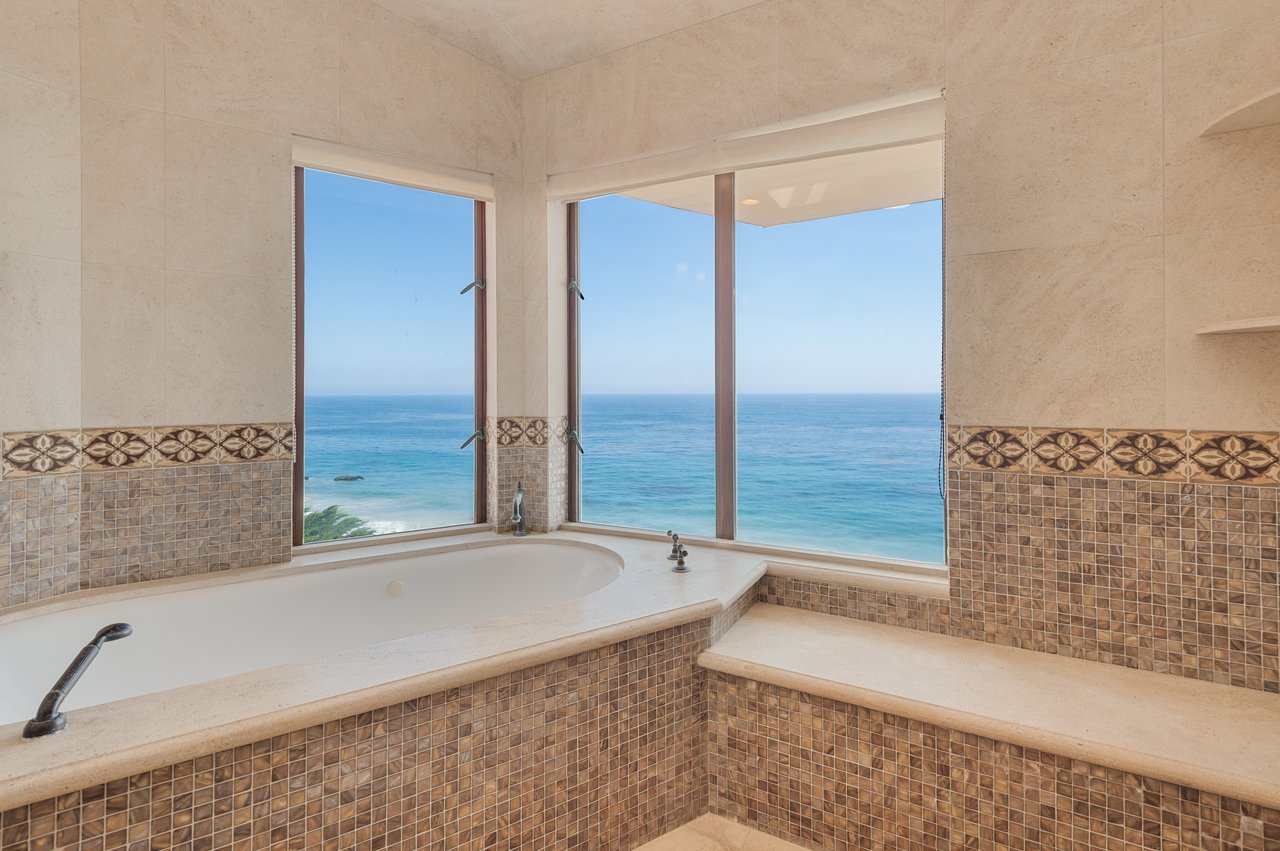
Here’s what buyers, sellers and renters should know heading into fall.
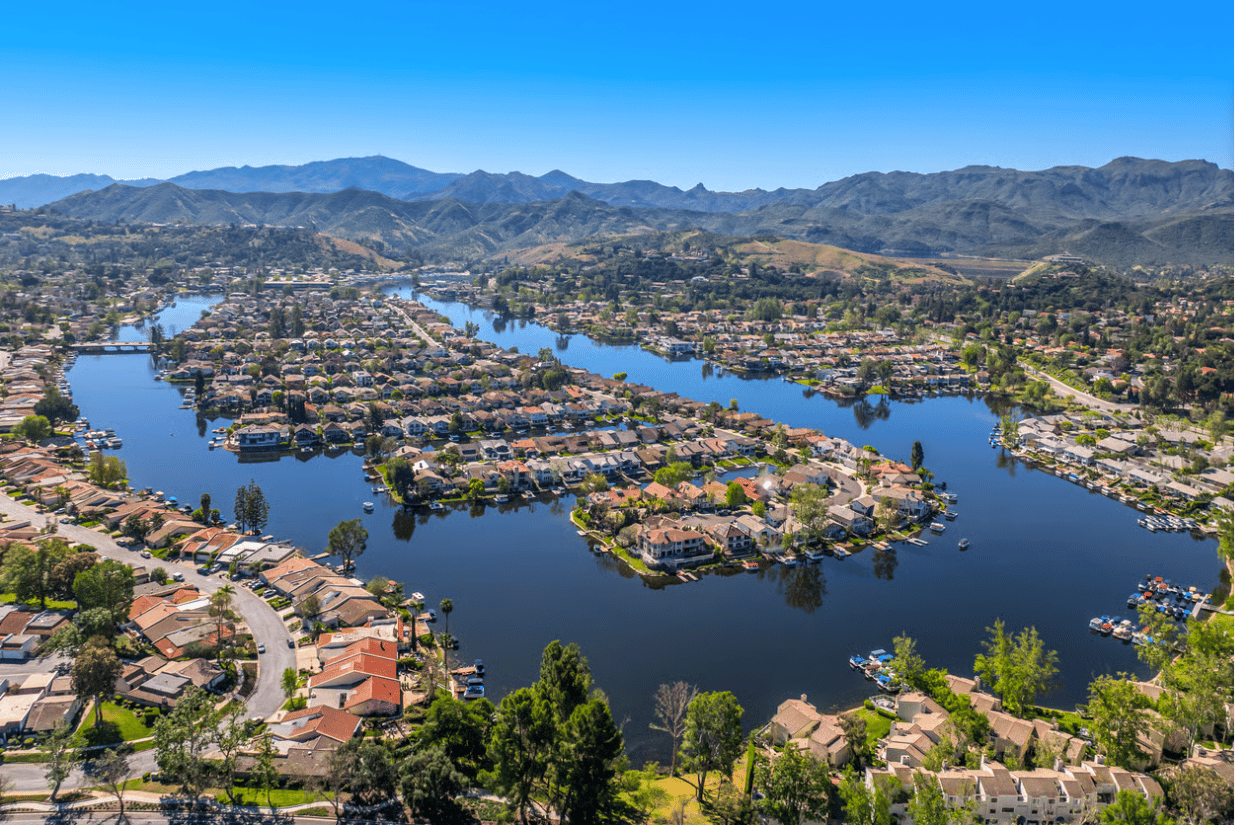
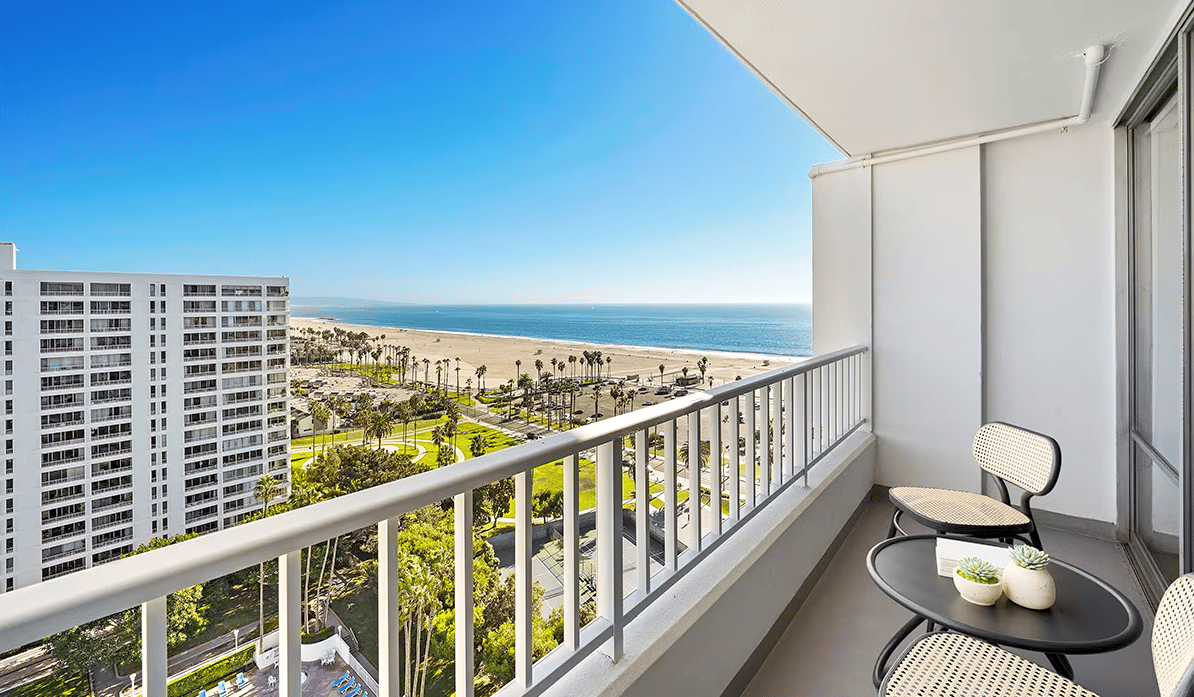
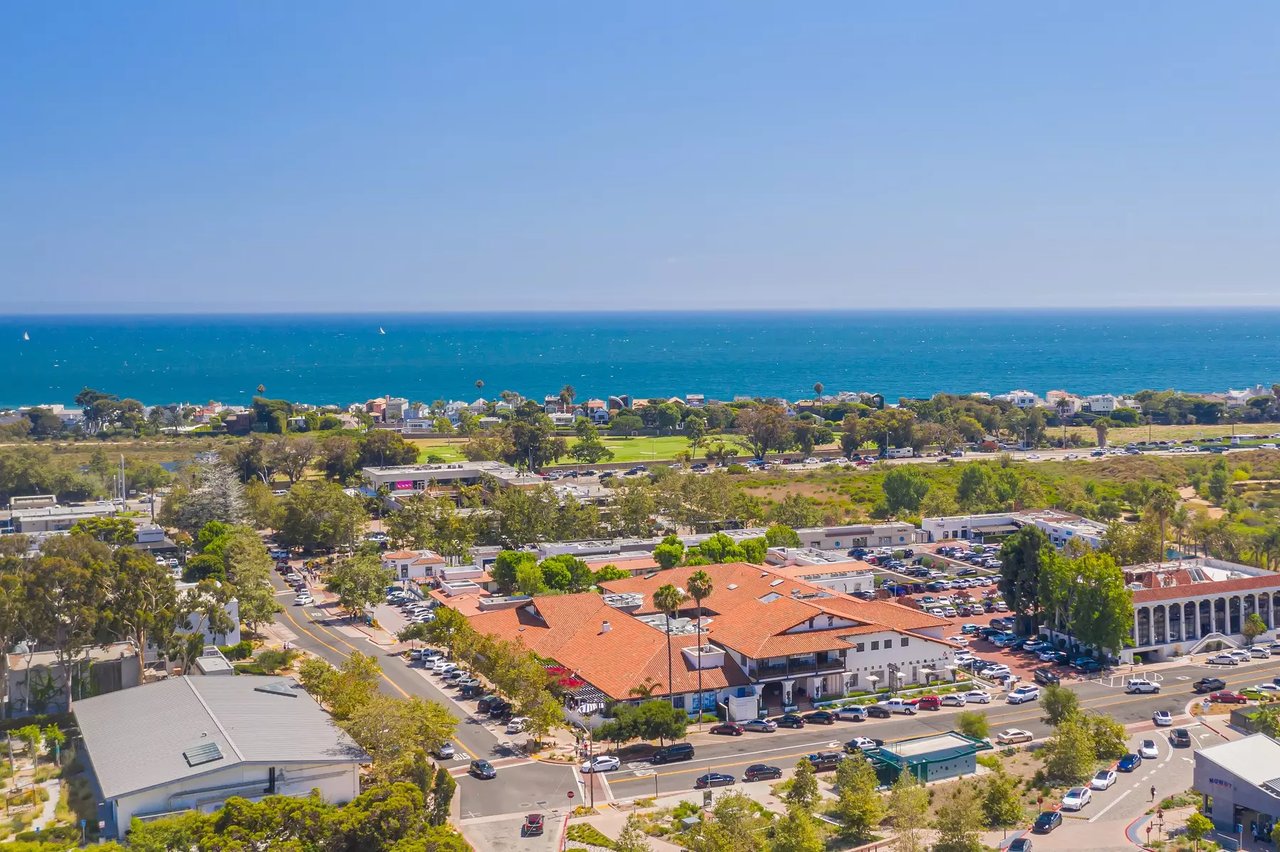
Discover why buyers are attracted to Central Malibu
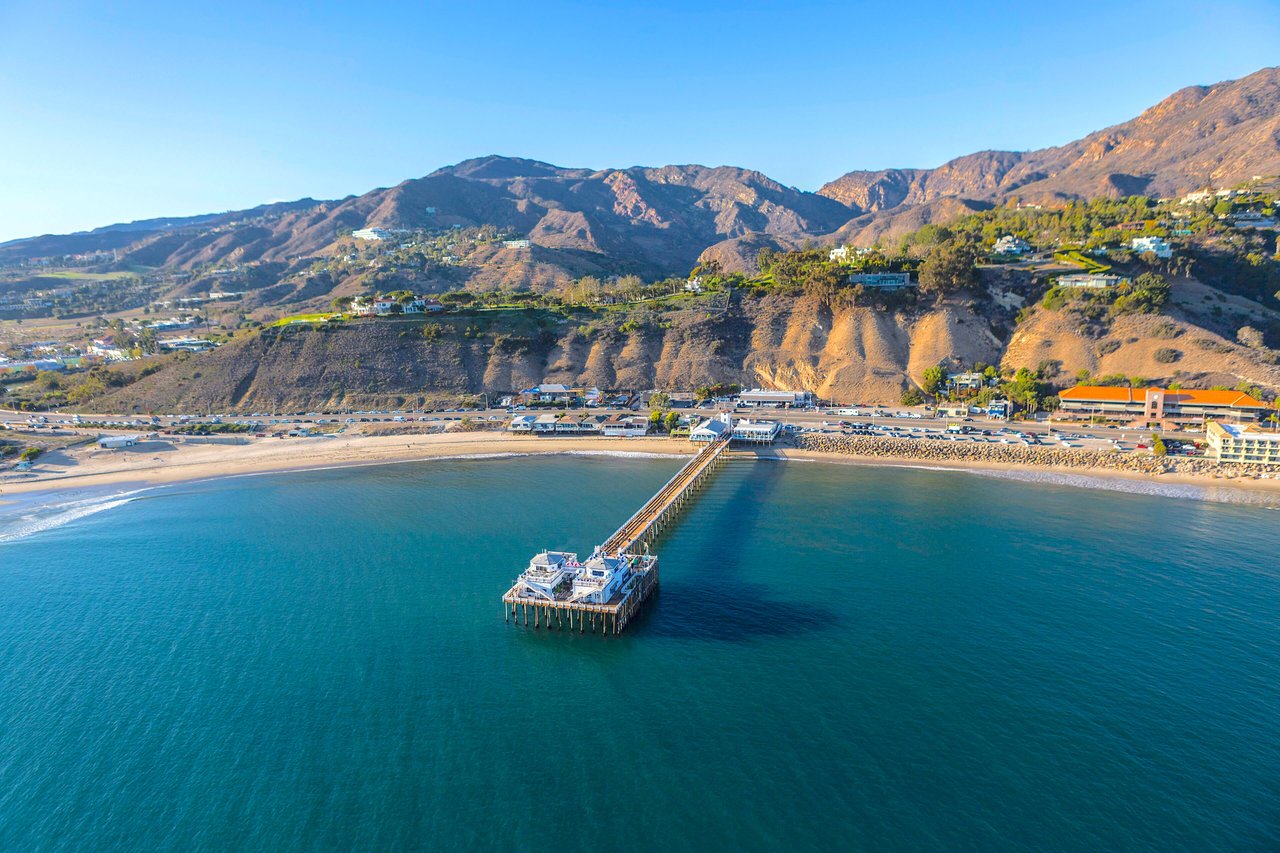
Discover three reasons buyers are drawn to East Malibu.
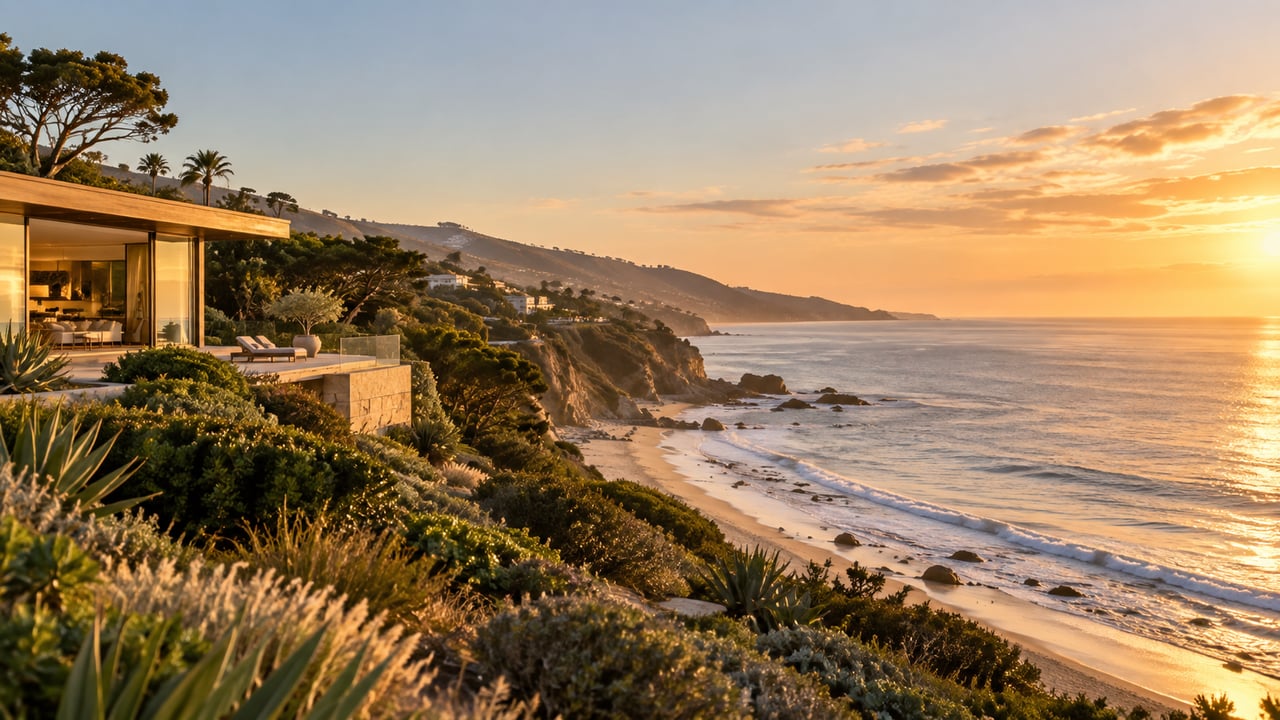
Why space, privacy and easy beach access continue to draw buyers to West Malibu.
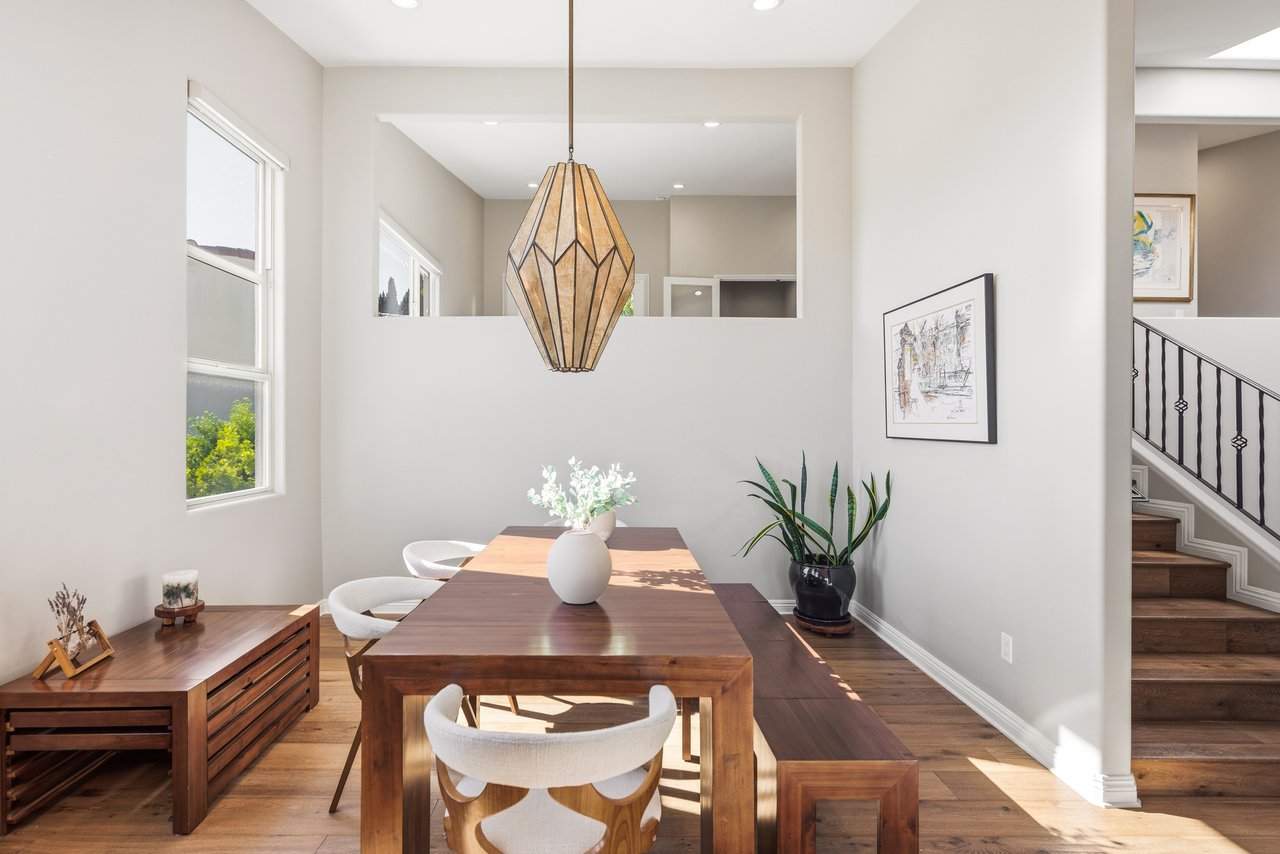
A closer look at a just-sold Malibu home

The Malibu Life Team
Madison Hildebrand | CA DRE# 01413280
Jennifer Chrisman | CA DRE# 01325526
24903 Pacific Coast Highway #200,
Malibu, CA 90265