Living In Venice's Canals, Walk Streets And Beachfront
June 11, 2026
June 11, 2026
Ever notice how one Venice address can feel tucked away and residential, while another puts you in the middle of the neighborhood’s daily energy? If you are considering Venice, the canals, walk streets, and beachfront each offer a very different living experience. Understanding those differences can help you focus your search, weigh the tradeoffs, and choose the setting that fits the way you actually want to live. Let’s dive in.
Venice is part of the City of Los Angeles, but it does not live like one uniform neighborhood. City planning materials describe Venice as pedestrian-oriented in scale, with historic walkways, beach access, and coastal resources woven into daily life.
That framework helps explain why the canals, walk streets, and beachfront feel so distinct from one another. The biggest difference is how each pocket meets the public realm, from quiet water-edge paths to pedestrian walkways to the highly active beach frontage.
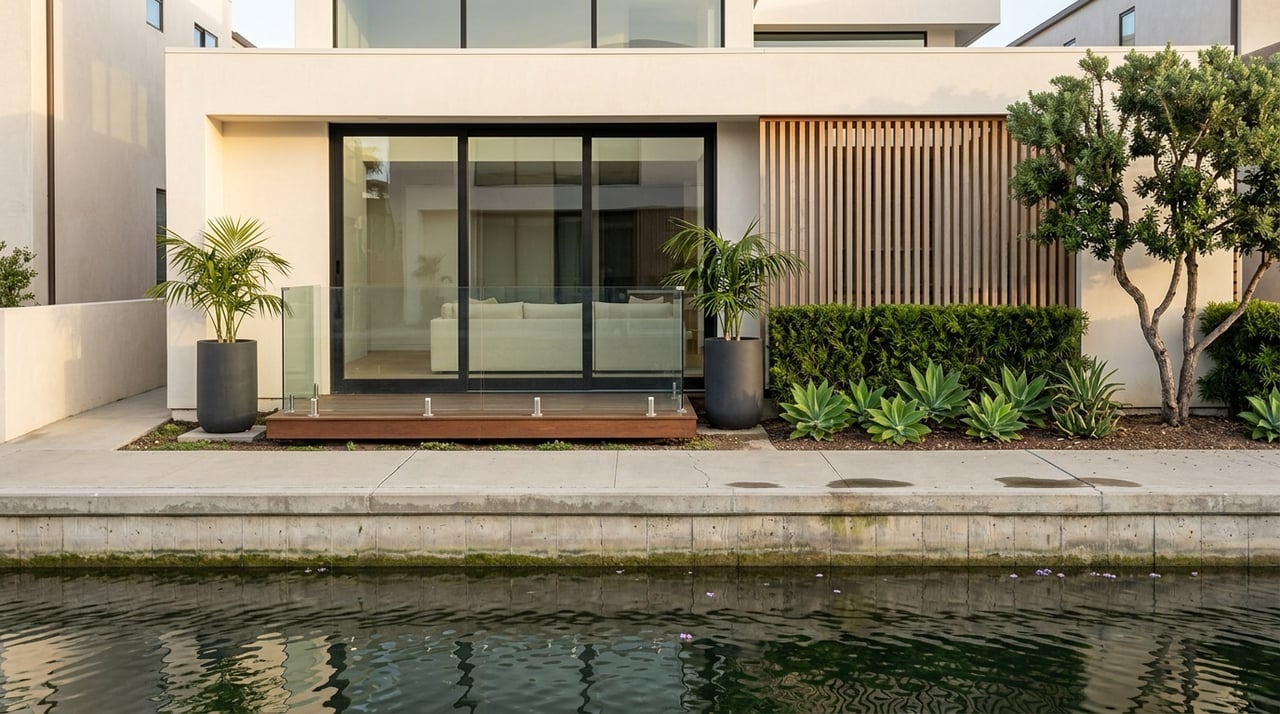
The Venice Canal Historic District is one of the neighborhood’s most recognizable residential settings. It includes six canals laid out in a grid and reflects Abbot Kinney’s early-1900s vision for Venice.
Architecturally, the area is varied rather than uniform. You will see Venetian-inspired homes, Spanish casitas, beach houses, modern glass residences, and original bungalows, which gives the canals a layered visual character.
Living on the canals means being in a visitor-friendly area that is still clearly residential. Sidewalks are narrow, parking inside the district is not available for visitors, and the local guidance asks people to respect residents’ privacy.
The canals are filled with seawater from Ballona Lagoon and the Pacific Ocean, and the City manages water levels. Human-propelled boats like kayaks, canoes, and row boats are allowed, while motorized boats are not.
The canals can feel scenic and tucked away, but they are also part of a managed coastal system. Local sources note sensitivity to flooding and sea level rise, so that is an important part of the ownership conversation.
If you are drawn to the canals, it helps to think beyond curb appeal. You are not just choosing a beautiful setting. You are choosing a historic water-edge environment with unique practical considerations.
Venice’s walk streets are among the neighborhood’s most pedestrian-focused residential pockets, especially in North Venice and Milwood. Historic survey materials describe these areas as collections of very small lots with one- and two-story homes.
The homes are often oriented toward wide concrete walkways rather than conventional vehicle-first streets. You also see features encouraged by the local plan, such as front porches, bays, and balconies, which help create the classic garden-court feel many buyers associate with old Venice.
Walk street architecture often includes Craftsman, Period Revival, and vernacular homes. The result is a streetscape that feels intimate, social, and tied to the front walkway instead of the driveway.
If you value a more human-scale neighborhood rhythm, this is often where Venice feels most residential in a pedestrian sense. The front edge tends to feel calmer because the walkway is designed around people moving through the neighborhood on foot.
The practical difference is access. The Venice Coastal Zone Specific Plan says vehicular access to properties next to walk streets should come from other streets or alleys, and access on the walk streets themselves is restricted to emergency vehicles.
That design can be a major part of the appeal, but it also changes everyday logistics. Parking, deliveries, and loading are usually less direct than they would be on a conventional street.
Venice Beach is the neighborhood’s most public-facing edge. Los Angeles County describes it as nearly three miles of coastline with 238 acres of beach, plus Ocean Front Walk, Muscle Beach, the skate plaza, volleyball courts, and the bike trail.
The area also supports everyday recreation with restrooms, showers, bike rentals, and a free beach shuttle connection. If immediate access to the shoreline is your priority, this part of Venice delivers that in the most direct way.
Beachfront living places you next to one of the most active public spaces on the Westside. Planning materials frame Venice Beach and Ocean Front Walk as places for walking, biking, skating, events, and daily recreation, not just quiet shoreline views.
That means your surroundings are more animated and more exposed to public activity than the canals or walk streets. You get direct beach access and a vivid sense of place, but you also live with more visitor traffic, parking pressure, and event-day energy.
The city’s specific plan limits vehicular access adjacent to Ocean Front Walk, which supports the pedestrian-first character of the area. That design choice helps preserve the beachfront experience, but it also shapes how residents move in and out of the area.
For some buyers, that energy is the whole point of living here. For others, it may feel better to enjoy the beach nearby while living a few blocks inland.
If privacy and a tucked-away feel are high on your list, the canals usually read as the most sheltered of the three. They remain accessible to visitors, but the narrow sidewalks, lack of visitor parking inside the district, and residential layout create a more protected atmosphere.
Walk streets can also feel calm, though in a different way. They are social and pedestrian-focused, with homes oriented toward shared walkways that create a visible neighborhood rhythm.
If you want a front-row connection to public life, the beachfront is the clearest fit. It offers immediate access to the beach, Ocean Front Walk, and the bike trail, with a level of daily activity that is hard to match elsewhere in Venice.
Walk streets sit in the middle. They feel connected and neighborly, but without the same intensity of public activity found at the beach.
Your best fit often comes down to how you live day to day. If you want water-edge character and historic identity, the canals may stand out. If you want pedestrian charm and front-porch living, walk streets may feel right. If you want direct access to the shoreline and recreation, the beachfront may be the obvious choice.
The key is being honest about your priorities. Beauty matters, but access, activity level, privacy, and logistics matter too.
Any coastal housing discussion in Venice should include long-term environmental context. The current Venice Local Coastal Program update places special emphasis on sea level rise and climate change.
That does not mean every block functions the same way, but it does mean coastal conditions are part of the broader planning framework. For buyers, this is a reminder to evaluate a home not only as a lifestyle purchase, but also as part of a changing coastal environment.
Venice’s identity is deeply shaped by its planning and historic fabric. The canals, walk streets, and beachfront are not interchangeable product types. Each one reflects a different relationship between homes, open space, and public access.
That is why neighborhood-level guidance matters so much here. In Venice, micro-location can change the entire feel of ownership.
Compared with other coastal areas on the Westside, Venice feels especially pocketed. Los Angeles planning materials describe it as pedestrian-oriented in scale and tied together by historic walkways and neighborhood connections.
The practical takeaway is simple. Venice tends to feel more micro-neighborhood driven than Santa Monica and more urban and public-facing than Malibu. If you are deciding among coastal communities, that distinction can help clarify whether Venice’s layered, high-character lifestyle is the right match for you.
The best Venice address is rarely just about distance to the sand. It is about how you want your home to interact with the neighborhood around it, from a canal path to a pedestrian walk street to the activity of Ocean Front Walk.
That is where local guidance becomes valuable. When you understand how each pocket functions in real life, you can search more strategically and avoid mistaking a beautiful block for the right fit.
If you are exploring Venice as a primary home, second home, or investment, The Malibu Life can help you navigate the neighborhood with a thoughtful, high-touch approach tailored to your goals.
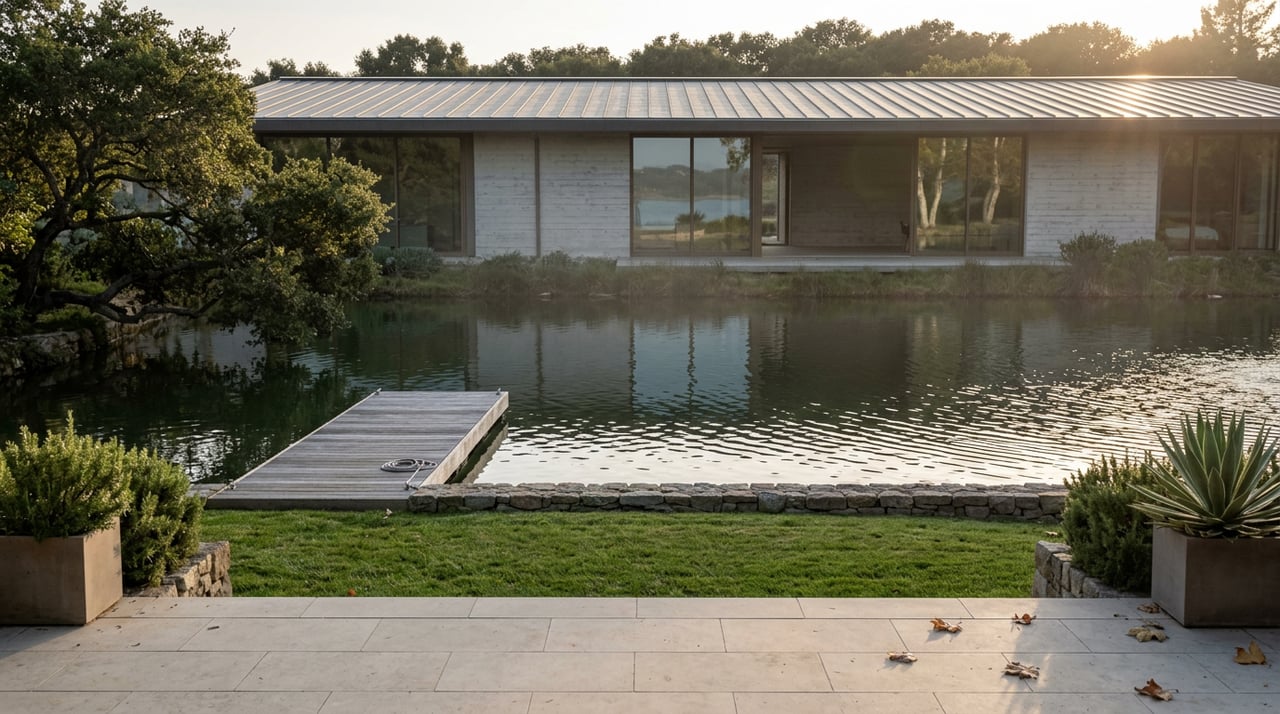
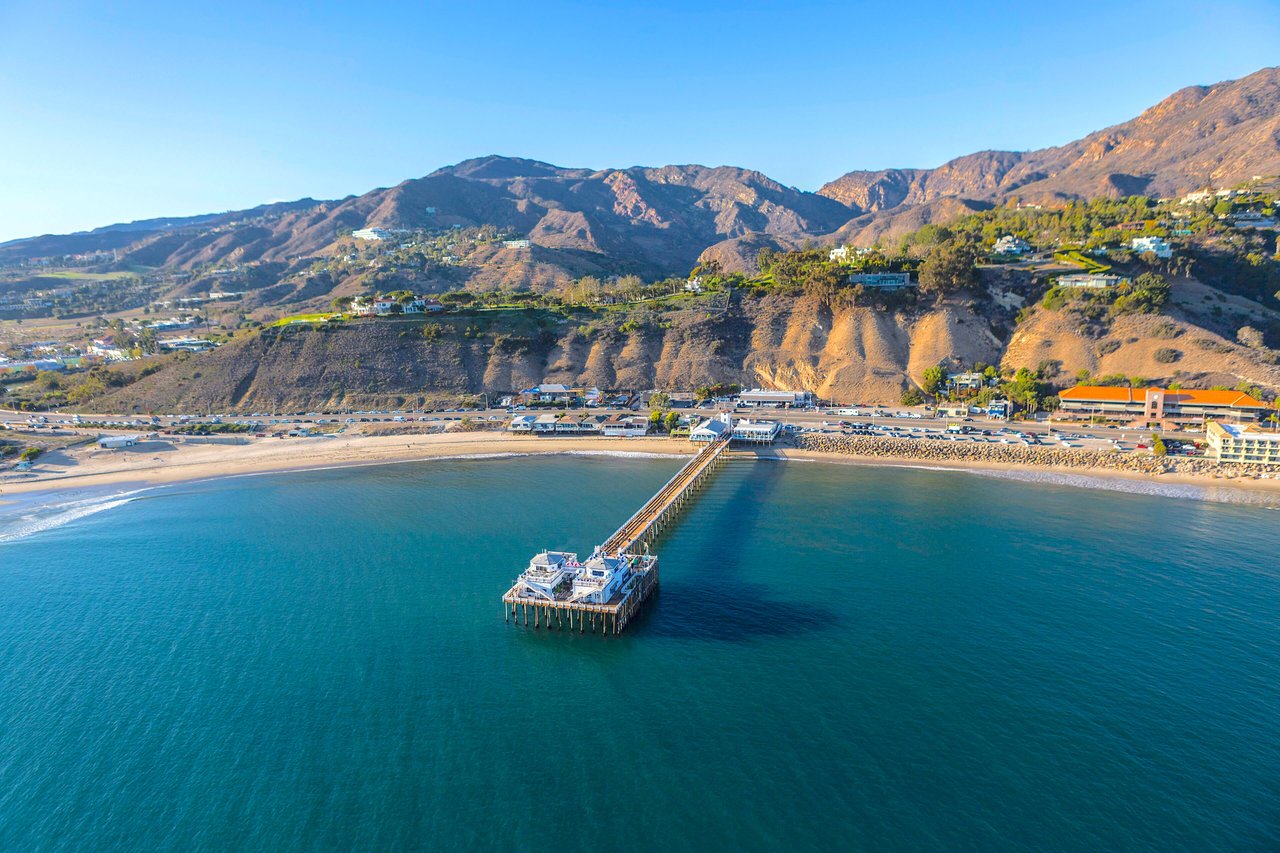
Discover three reasons buyers are drawn to East Malibu.
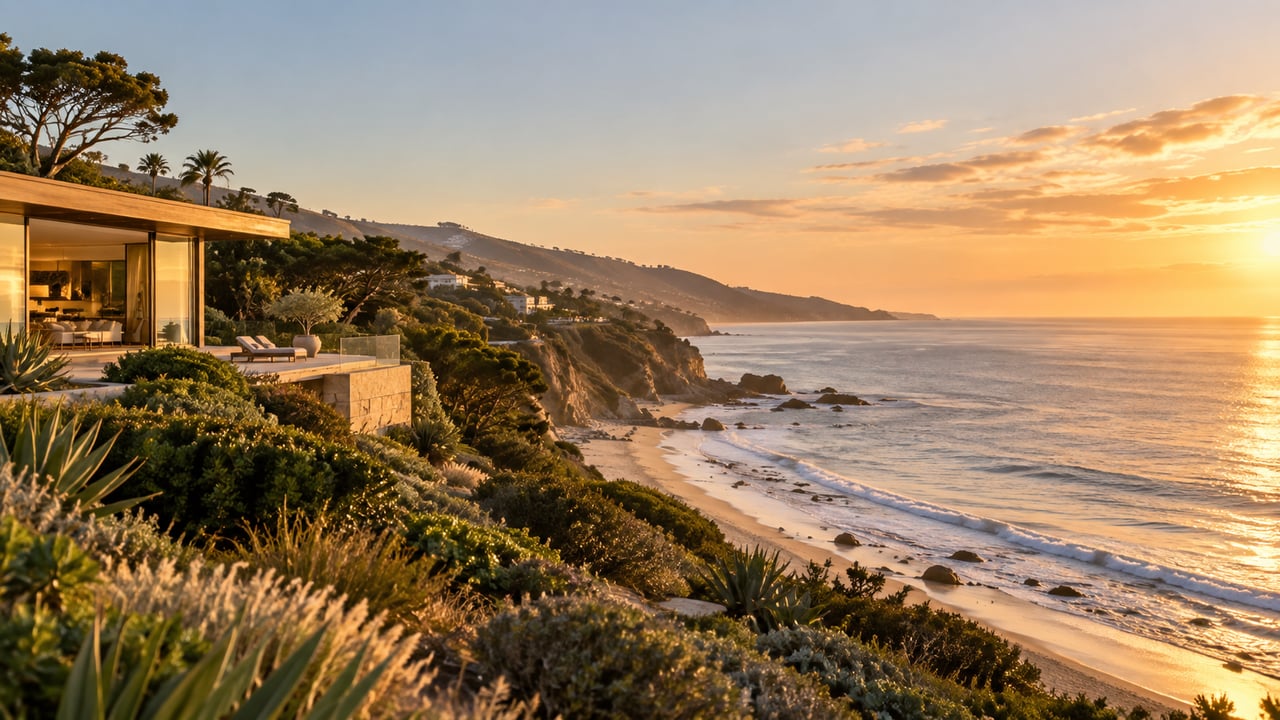
Why space, privacy and easy beach access continue to draw buyers to West Malibu.
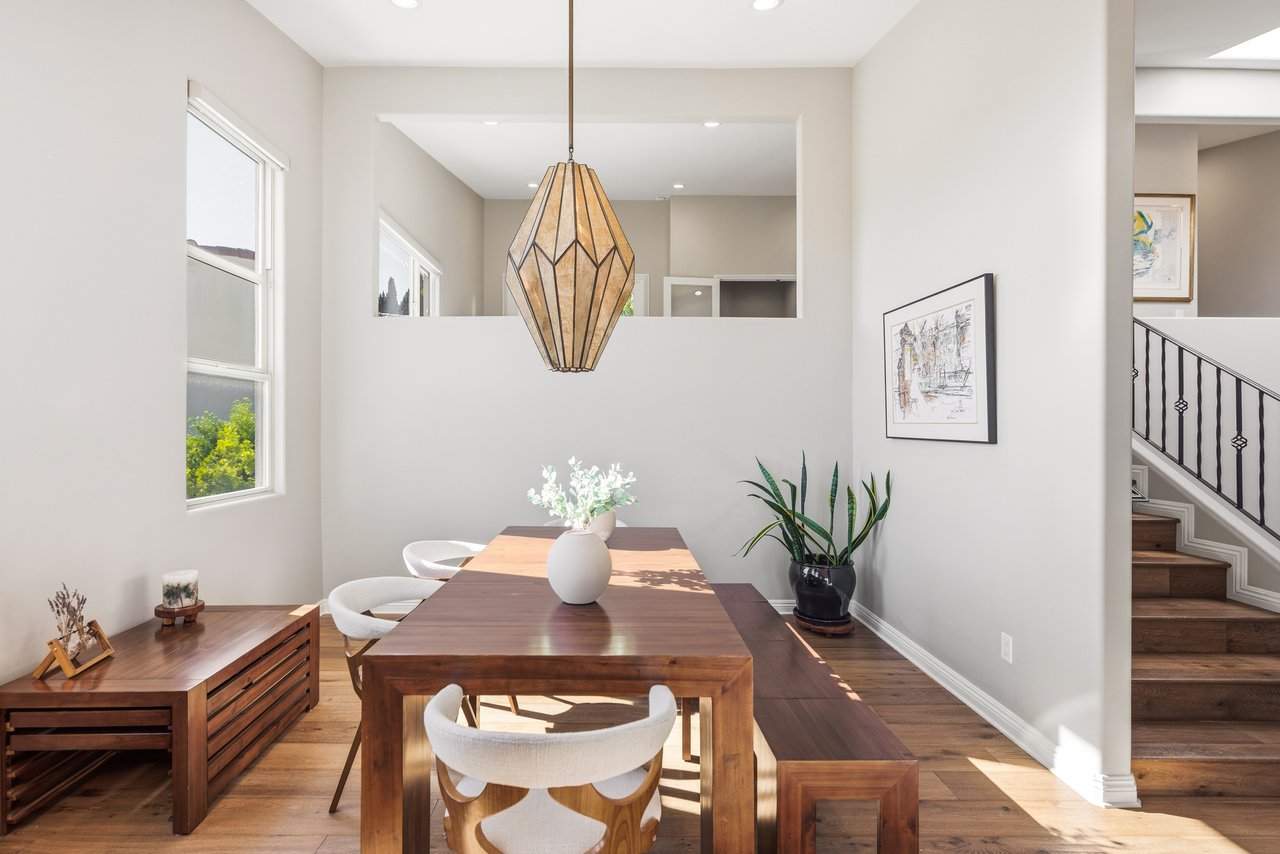
A closer look at a just-sold Malibu home

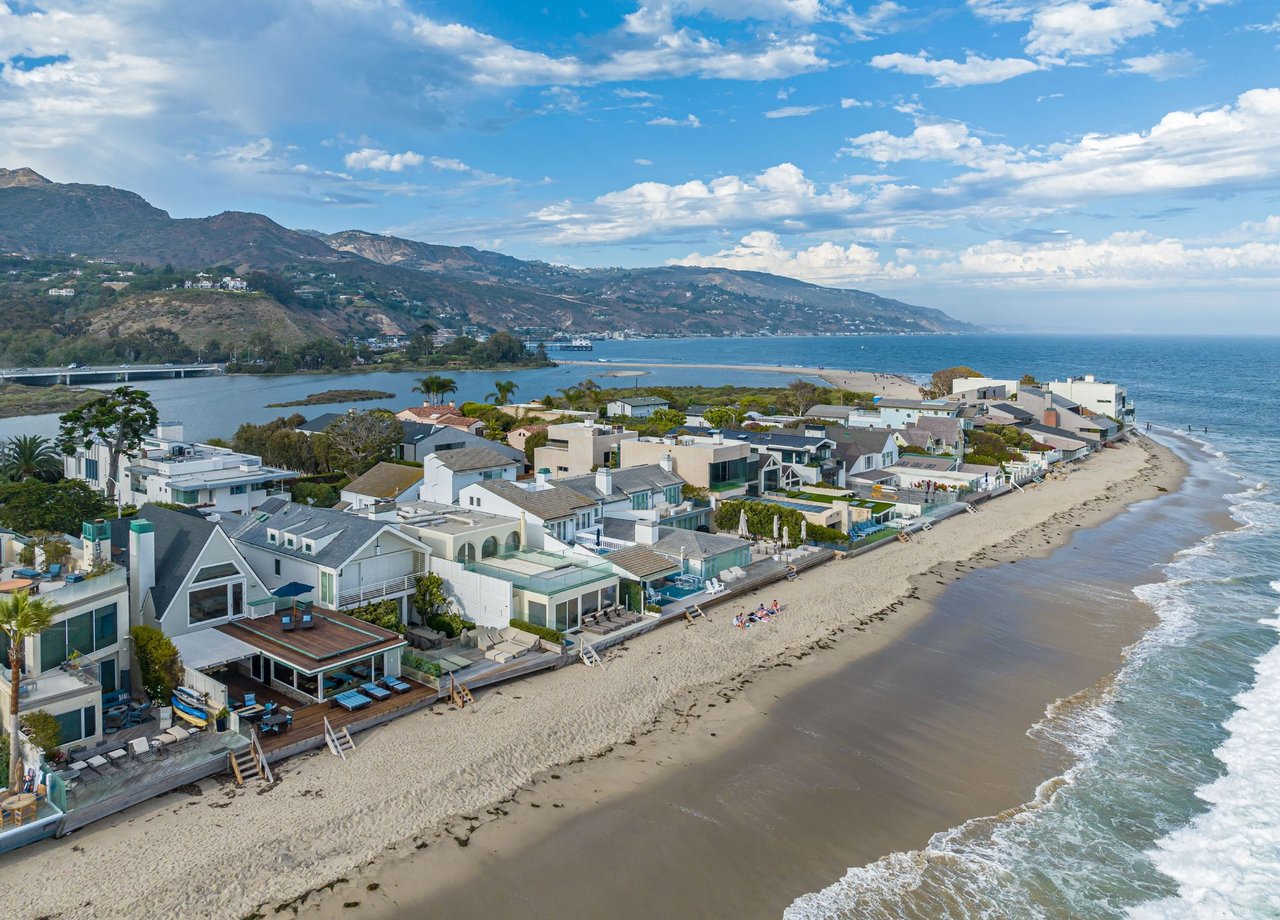
Honored to be featured in Clientele Luxury’s 2026 Destinations: Where to Live Now issue, highlighting the Malibu neighborhoods we know, love and represent.

A Malibu homeowner's guide to value, timing, and positioning in 2026.


Which Malibu Lifestyle Is Right for You?

Where to walk, hike, eat and explore Malibu with your four-legged local.
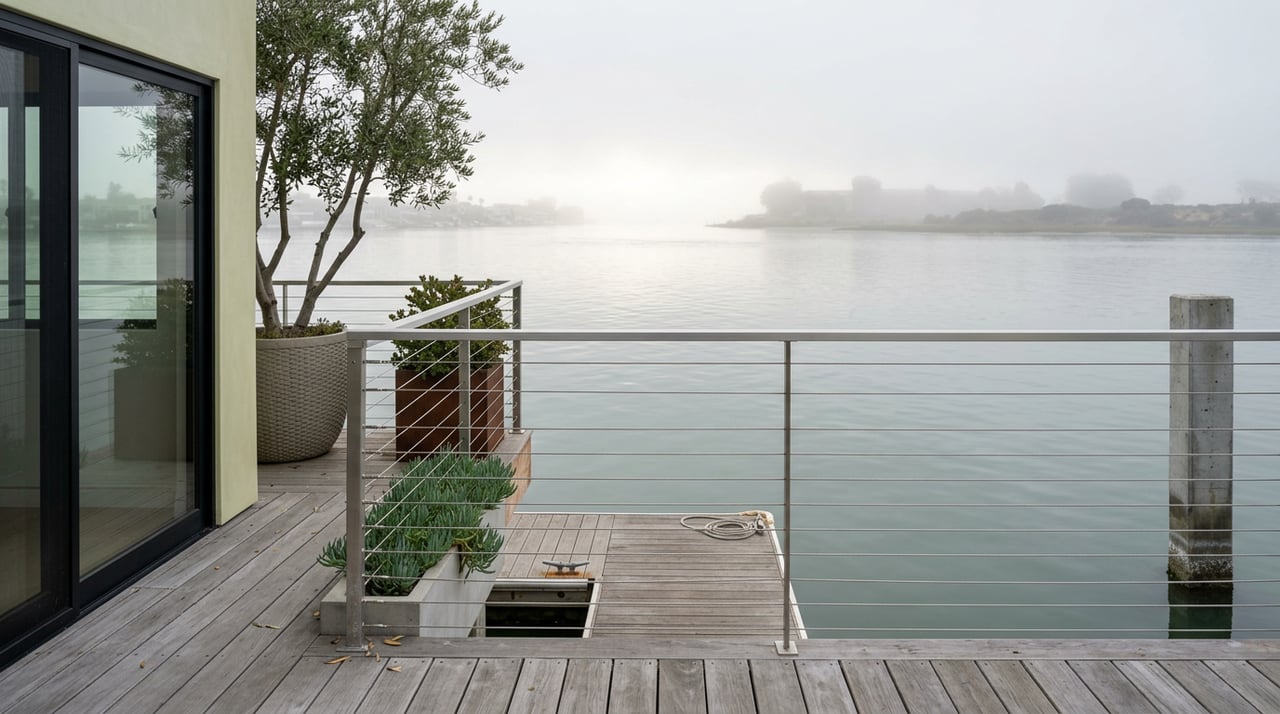
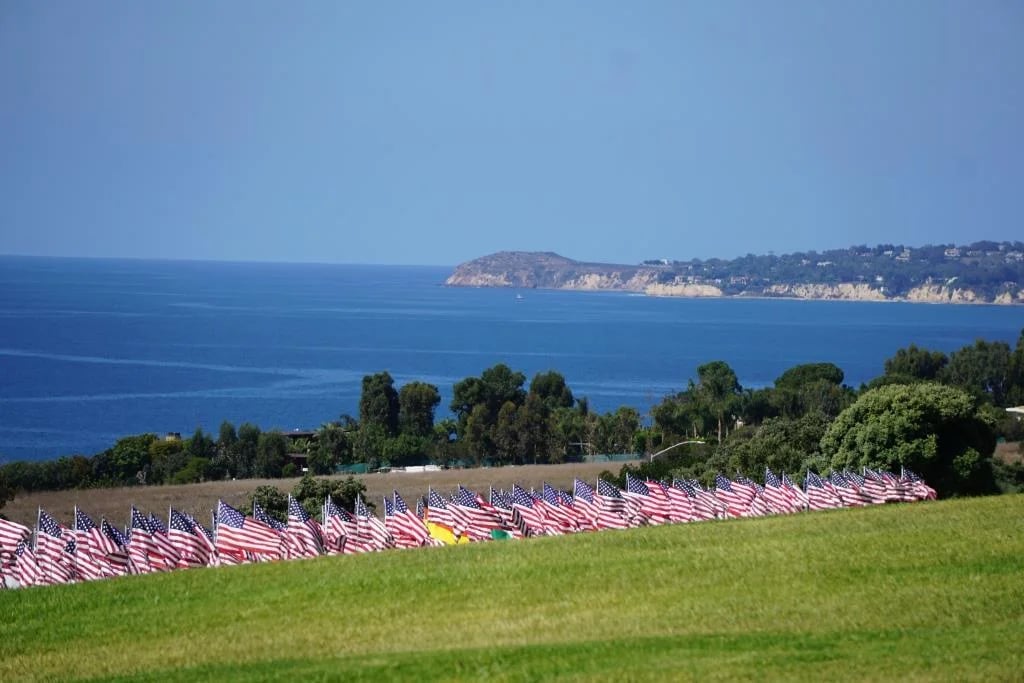
A local guide to Malibu events, beach days, live music and Labor Day weekend favorites.

The Malibu Life Team
Madison Hildebrand | CA DRE# 01413280
Jennifer Chrisman | CA DRE# 01325526
24903 Pacific Coast Highway #200,
Malibu, CA 90265