Malibu Lifestyle | November 2026
Malibu After Dark: Stargazing, Meteor Showers & a November Supermoon
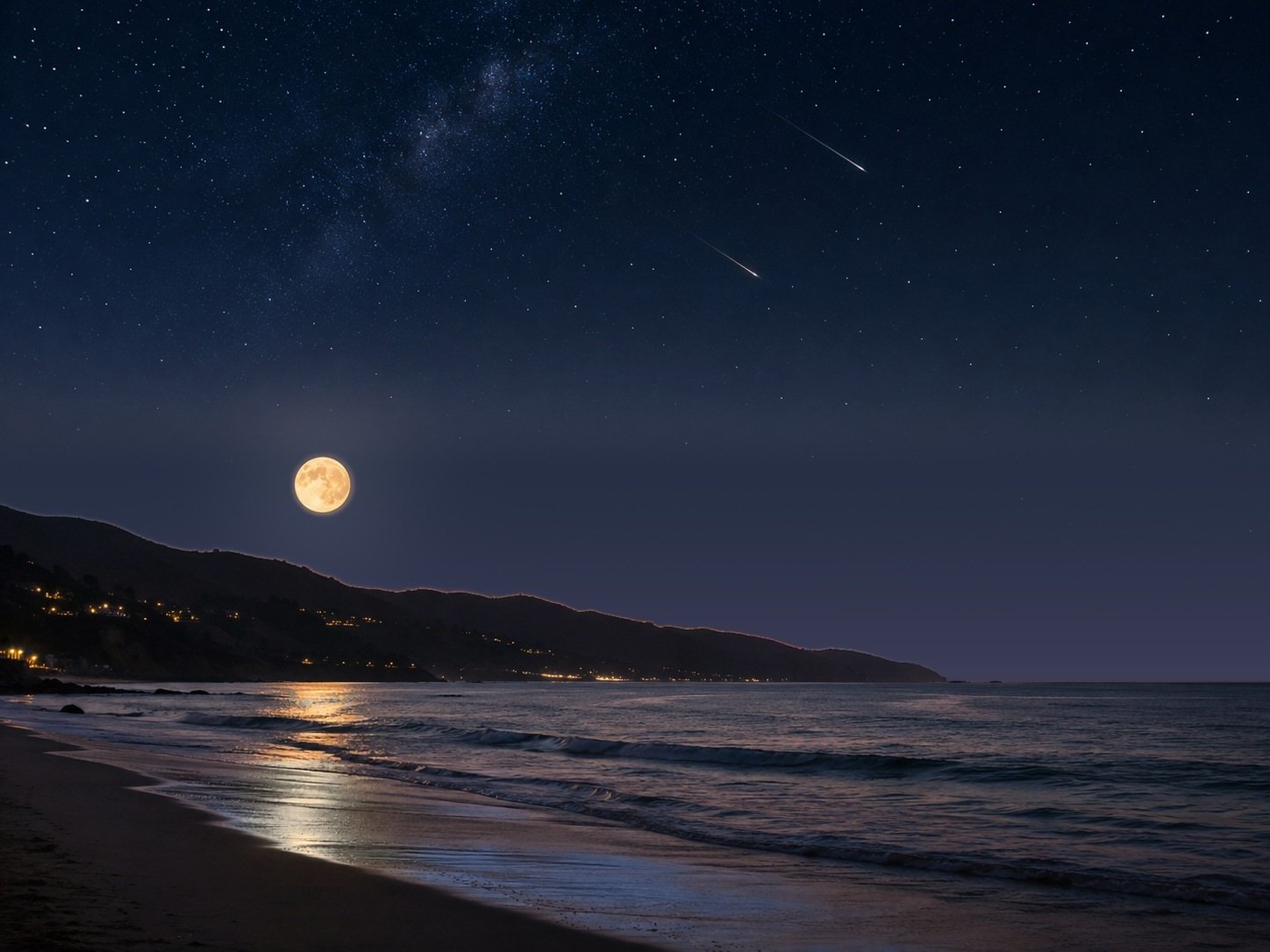
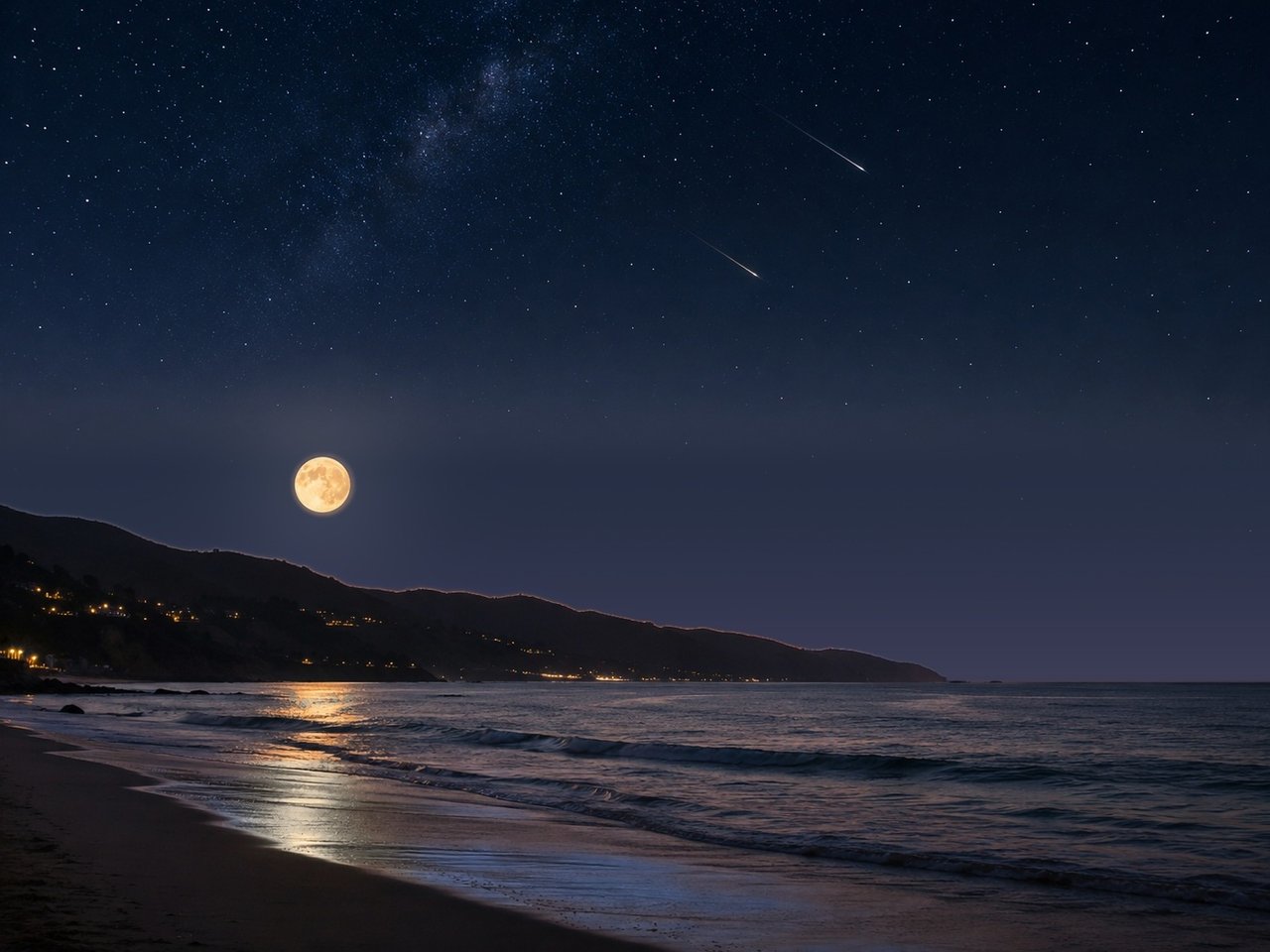
Malibu is famous for its sunsets, but this November, the show continues after dark.
From meteor showers to bright planets to a supermoon just before Thanksgiving, the night sky has a lot to offer.
Whether you’re planning a night under the stars or looking for something fun to do in Malibu, November is a great time to look up.
Here’s your guide to stargazing in Malibu this November: what to look for, when to go and where you can actually park.
November in the Malibu Night Sky
The Taurids: November 5 and 12
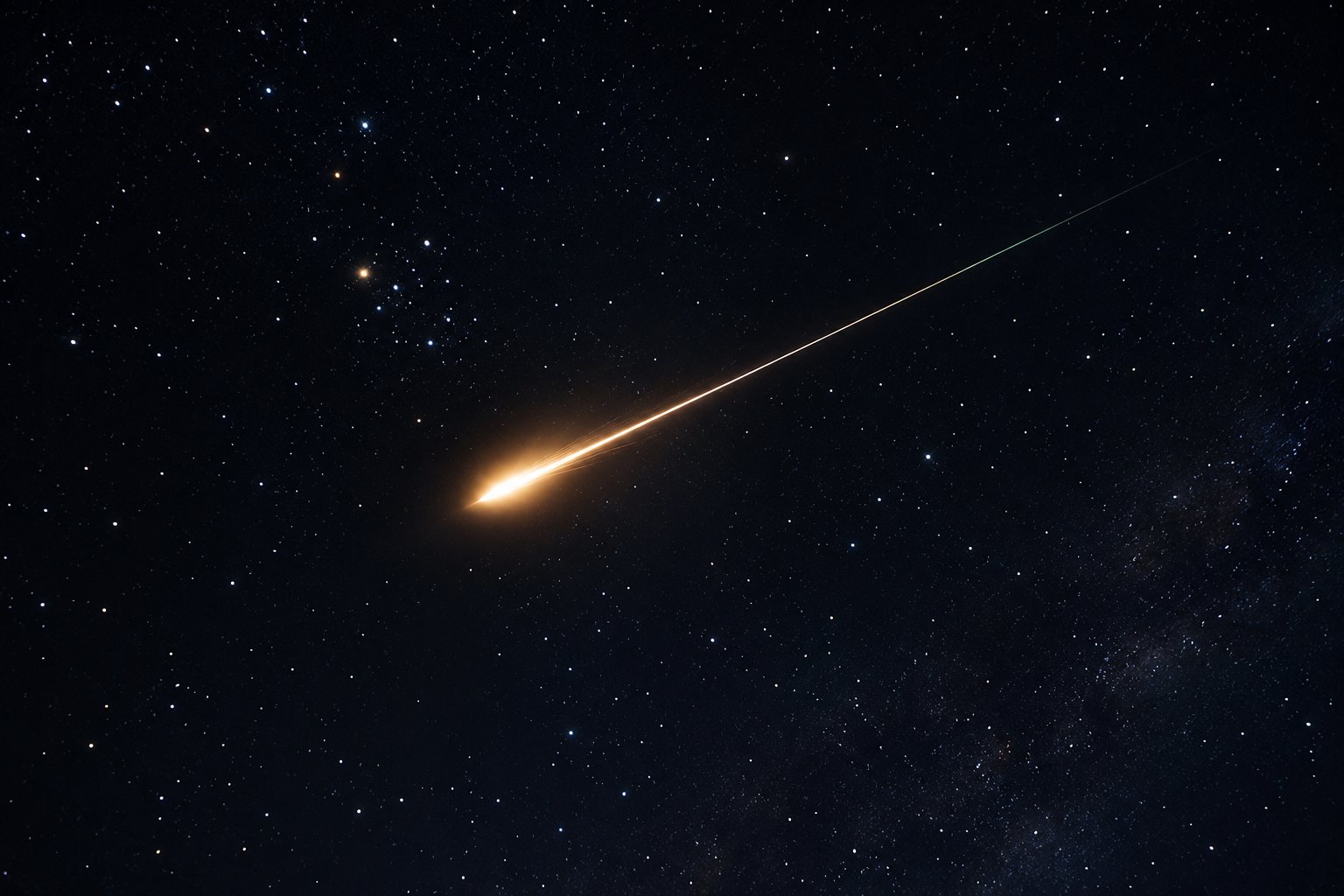
The Taurids are two meteor showers that return every fall, when Earth passes through trails of dust and debris left behind by a comet. As those tiny pieces enter our atmosphere, they burn up and create the shooting stars we see in the sky.
This year, the Southern Taurids peak around November 5, followed by the Northern Taurids around November 12. Both are known for the occasional bright shooting star called a fireball.
You may only see a few meteors an hour, so patience is key. The darker skies around the November 8 new moon make it a great excuse to grab a blanket, find a quiet spot in Malibu and settle in under the stars.
Mars, Jupiter and the Leonids: For the Early Risers
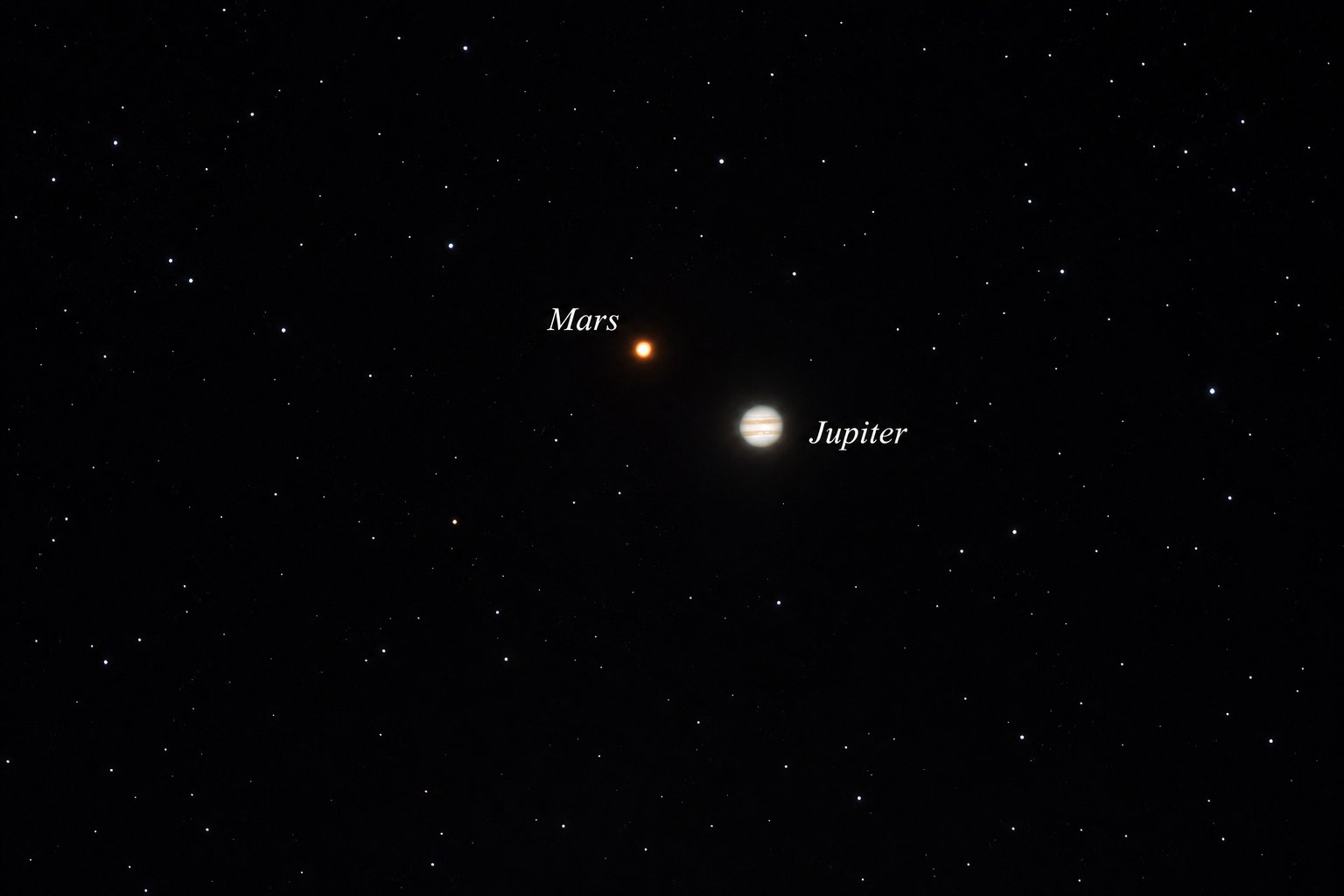
Set your alarm for this one. On the mornings of November 15 and 16, head outside around 4–5 a.m. to see Mars and Jupiter shining close together in the southeastern sky. Jupiter is the brighter of the two, while Mars has a reddish glow. Best of all, you won’t need a telescope.
Just a few days later, the Leonid meteor shower peaks November 17–18. Like the Taurids, the Leonids come from comet dust burning up in our atmosphere.
For the best chance of seeing them, head outside between 2 and 5 a.m., when the sky is dark and the Moon has set. Under ideal conditions, you could spot up to 15 shooting stars an hour, though most people will see fewer.
It might mean an early wake-up call, but a warm coffee and a little Malibu stargazing are a pretty good way to start the day.
The November Supermoon: The Easy One
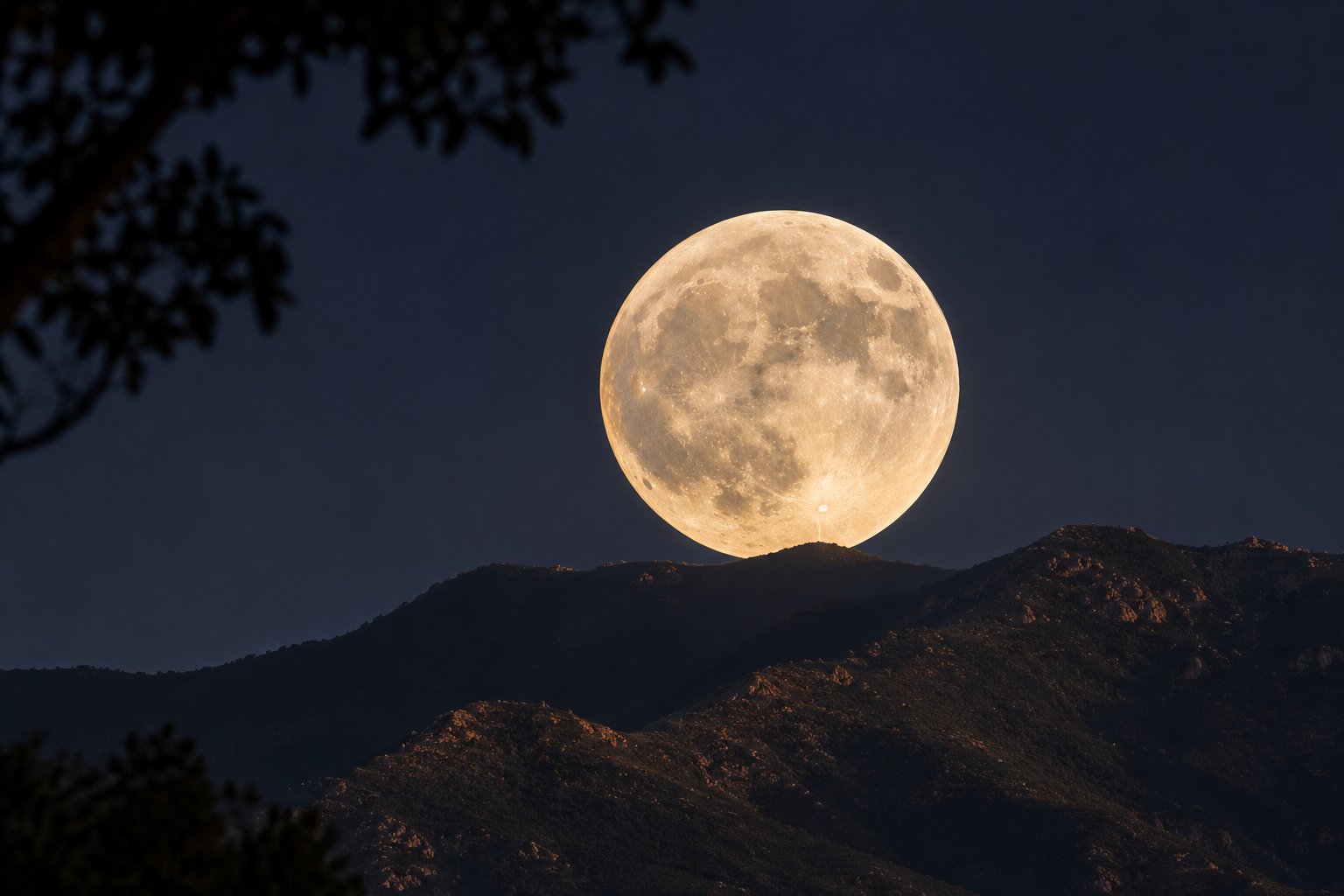
Mark your calendar for Tuesday, November 24, when a full supermoon will light up Malibu’s evening sky.
A supermoon happens when the Moon is closer to Earth than usual, so it looks slightly bigger and brighter in the night sky.
One local tip: this one is all about looking east. Find a spot in Eastern Malibu with a clear view of the eastern sky around 4:30–5 p.m., just as the sun goes down.
And if you miss it, don’t worry. Two more supermoons are coming in December and January.
Sky dates and viewing expectations: NASA’s November 2026 Skywatching Guide.
Where to Go Stargazing in Malibu
A great stargazing spot needs more than a pretty view. It also needs to be open when you get there.
Best for an easy evening
Zuma Beach
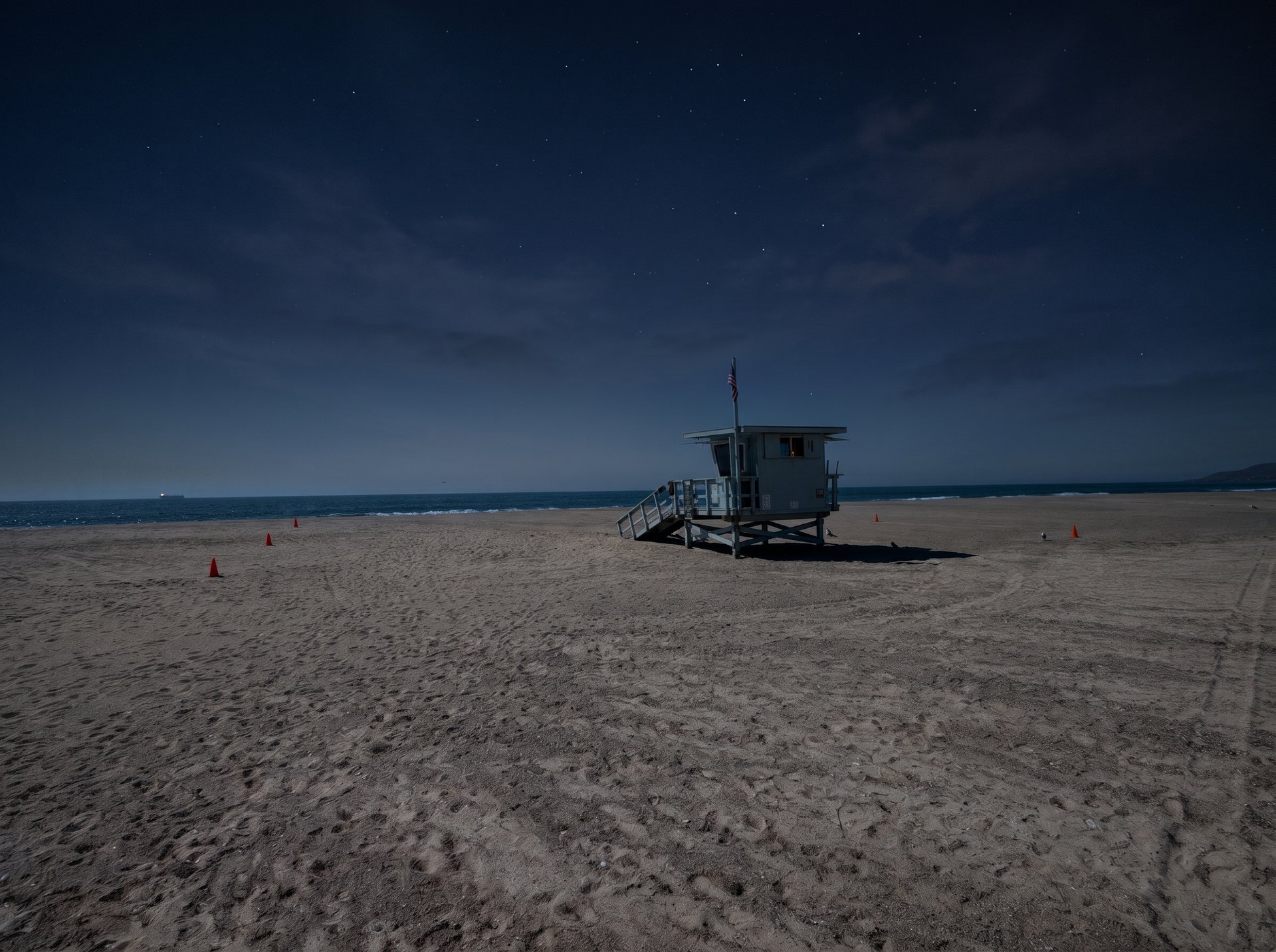
Los Angeles County lists Zuma parking from 6 a.m. to 10 p.m., which makes it a good pick for an early evening sky watch. It won’t work for the predawn Leonids, since the lot isn’t open during that window.
Use the main entrances, as the County continues to flag access issues at the Zuma underpass. Schedules can vary by lot and season, so confirm closing times when you arrive.
If you’re comfortable parking along PCH, that’s another option, as long as you don’t mind a walk and carrying your things. Check the posted signs first, since some stretches have overnight restrictions, and take extra care around traffic after dark.
Check Zuma Beach’s official information
Best for making a night of it
Leo Carrillo State Park
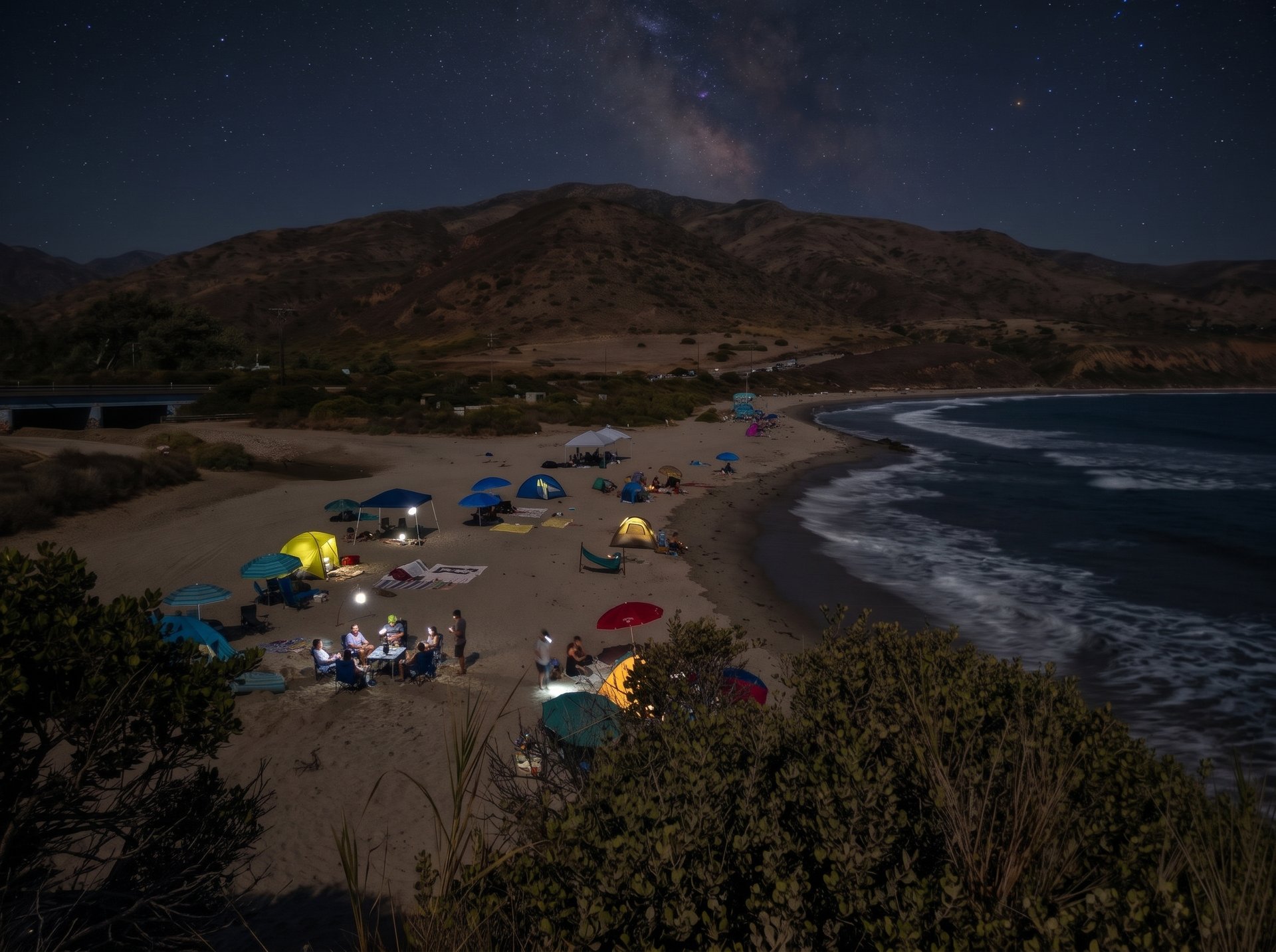
Day-use parking runs from 8 a.m. to 10 p.m., which leaves room for an evening visit. To stay longer, book a campsite and arrive during permitted entry hours.
You can also park along PCH if you’re comfortable with it and don’t mind the walk with your gear. Just check the posted signs before leaving your car, and watch for traffic on the way back.
Watch from a permitted area near your site, and keep in mind that the trees may block part of your view. Camping doesn’t mean every beach and trail is open all night. Quiet hours run from 10 p.m. to 6 a.m.
Park hours and camping information | Campground rules
Best for predawn
Your Own Deck or Yard
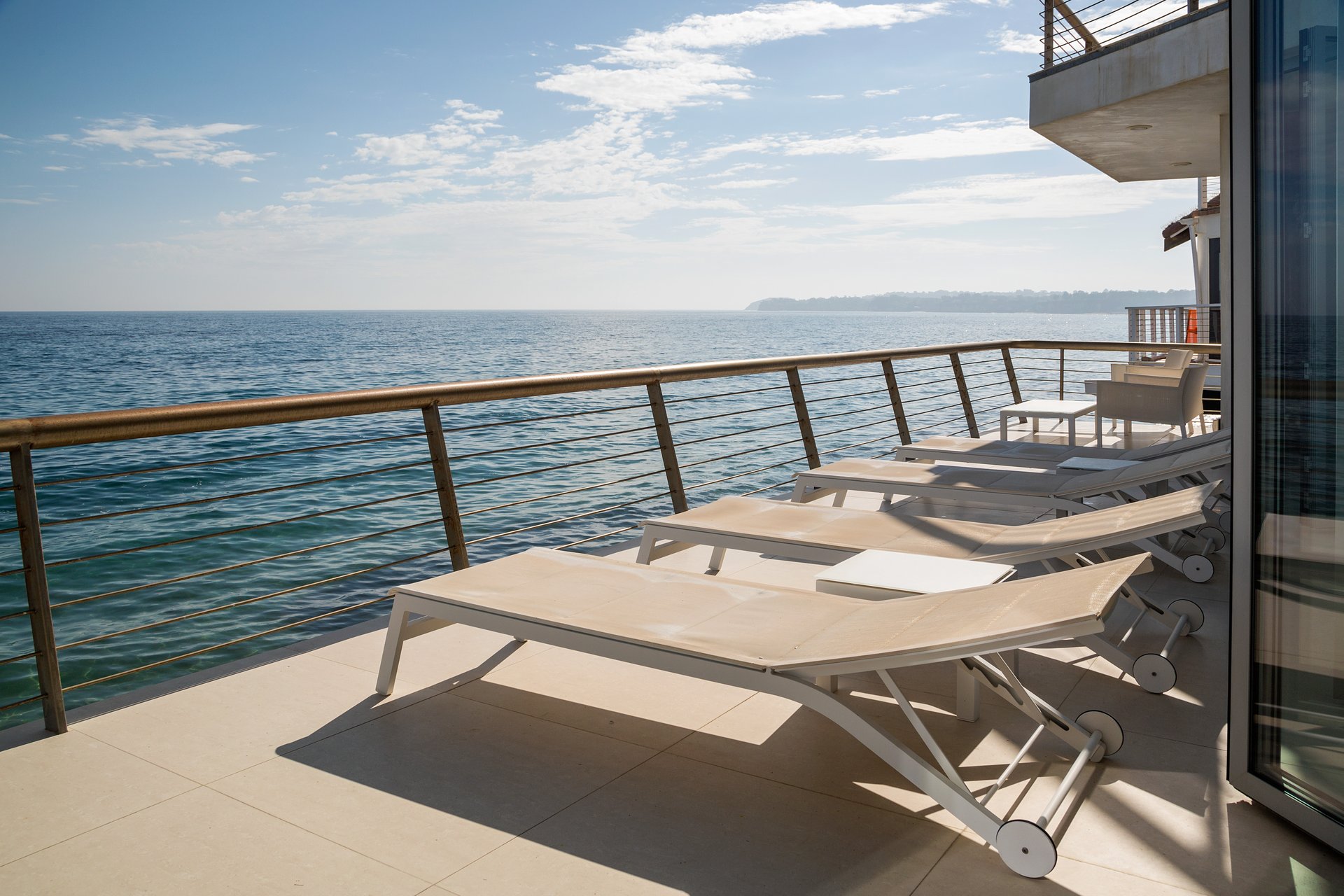
If you live here, you may already have the best seat around. No parking lot, no closing time.
Before You Head Out
- Check the forecast. Coastal low clouds can hide the sky even after a clear afternoon. The National Weather Service forecast covers clouds, fog, wind and overnight temperatures.
- Watch for Red Flag Warnings. Parks in the Santa Monica Mountains, including Leo Carrillo, may close areas during fire weather, and not every closure is signed or gated.
- Dress for it. Bring a warm layer, a blanket and a comfortable chair.
- Give your eyes time. NASA suggests about half an hour to adjust and as much open sky as you can find. This is a great time to leave your phone in your pocket.
- Stay well back from the water. Keep to dry sand and save tide pools and cliffside exploring for daylight.
Malibu Real Estate and the Night Sky
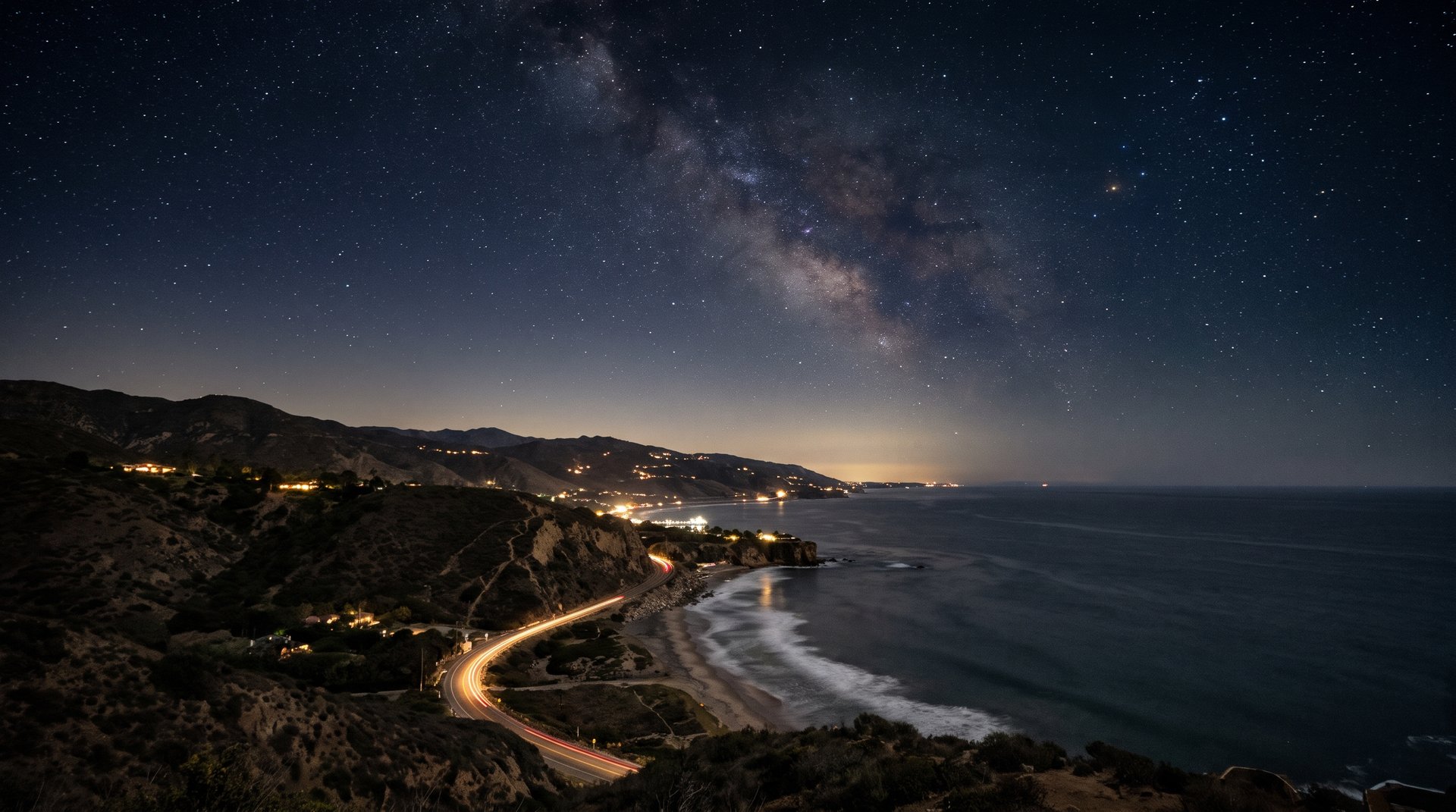
Stargazing feels different in Malibu. With the Pacific Ocean on one side and the Santa Monica Mountains on the other, much of our coastline sits away from the glow of the city, so the stars come through with far less light pollution than in most of Los Angeles.
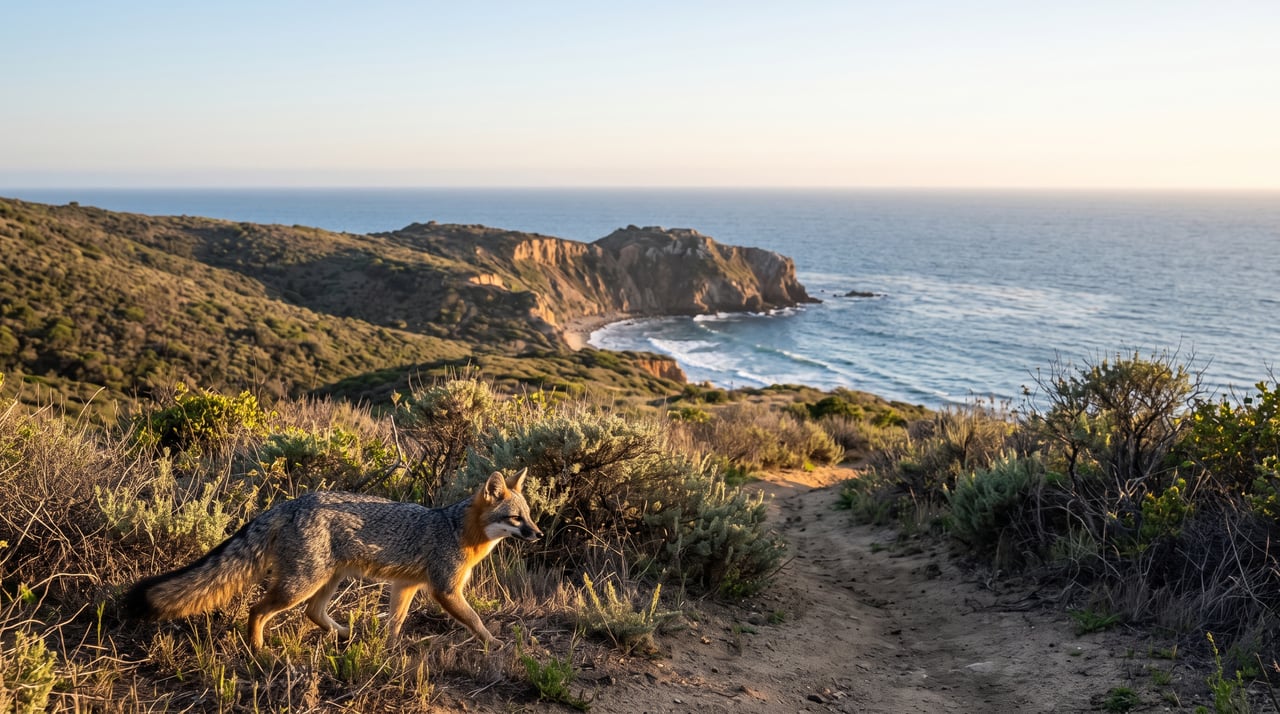
That’s no accident. The City’s Dark Sky Ordinance helps keep the night sky clear by limiting light pollution, which also protects wildlife, including neighbors like our gray foxes. Outdoor fixtures need to be fully shielded, point downward and use a low color temperature.
If you’re looking at Malibu homes for sale, the night sky is worth keeping in mind too:
- Notice the orientation. A terrace made for sunsets may miss the moonrise entirely. Check which way the outdoor spaces face.
- Visit after dark. A property can feel completely different at night, from the view overhead to the way the outdoor lighting works.
- Plan your lighting early. If you’re building or remodeling, factor the City’s outdoor lighting requirements into the design from the start.
Curious where to start? Explore Malibu neighborhoods, search homes around Point Dume, Malibu Park and Broad Beach, or catch up on our latest Malibu market recap.
Malibu Stargazing FAQ
Can you see meteor showers from Malibu?
Yes, on a clear night with an open view of the sky. You’ll likely see fewer meteors than the ideal numbers, and coastal clouds can get in the way.
What is the best night to stargaze in Malibu this November?
For the easiest outing, choose the supermoon on November 24. For the most meteors, try the predawn hours of November 17 and 18.
Can you park at Zuma Beach at night?
The County lists parking until 10 p.m. Confirm the closing time at the entrance, since schedules can vary by lot and season. If you park along PCH instead, check the posted signs for overnight restrictions.
Does Malibu have a Dark Sky Ordinance?
Yes. Malibu’s ordinance sets citywide outdoor lighting standards designed to reduce light pollution.
Another Reason We Love Living Here
So much of Malibu life happens outdoors, and it doesn’t have to stop at sunset. Whether you catch a meteor or just spend an hour listening to the ocean, it’s a pretty lovely way to end the day.
Thinking about a move to Malibu? We’d love to help. Call The Malibu Life at (310) 818-5788.