Daily Life In Marina Del Rey: Waterfront Living Explained
February 5, 2026
February 5, 2026
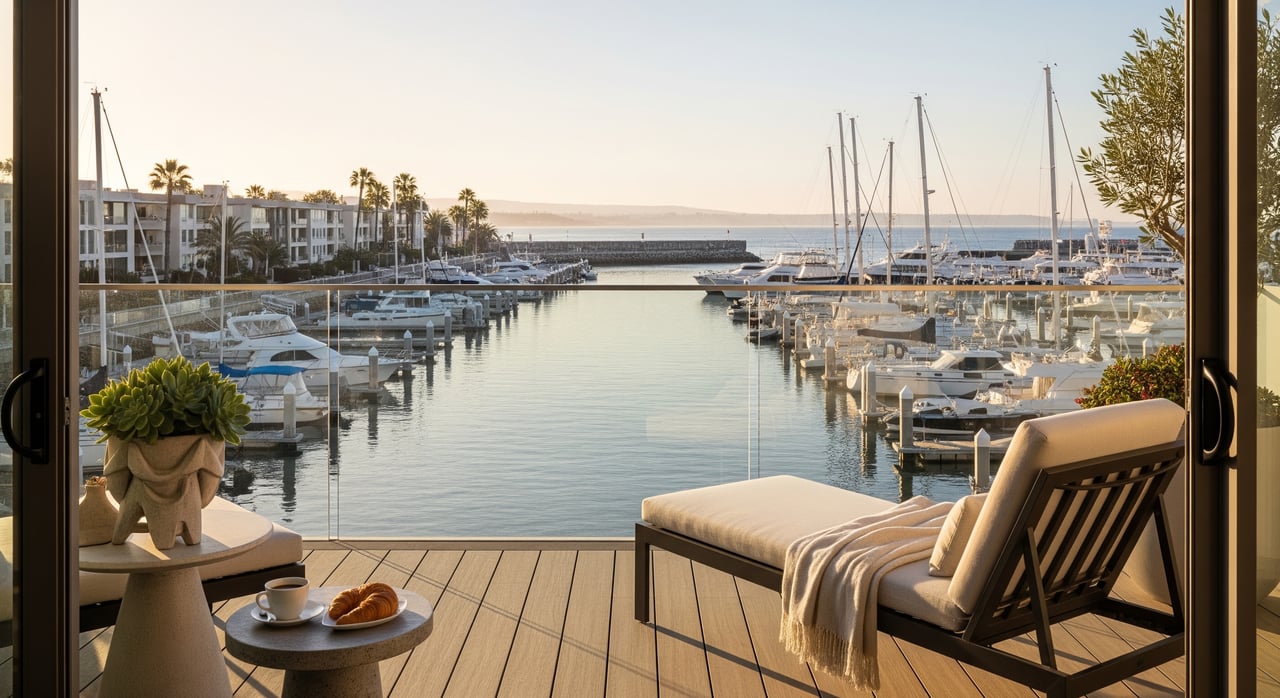
Imagine stepping out to a harbor breeze, coffee in hand, while masts sway and sea lions surface in the channel. If you are drawn to a calmer, coastal routine but still want quick access to the Westside, Marina del Rey might be your ideal move. In this guide, you will learn what daily waterfront living actually looks like here, from boats and beaches to housing, commutes, and practical costs. Let’s dive in.
Marina del Rey is an unincorporated community in Los Angeles County on the Westside coast, centered around a man-made harbor off Ballona Creek and the Pacific. It is governed by Los Angeles County, and the harbor is managed by the County Department of Beaches and Harbors. The residential population is relatively small compared to nearby neighborhoods, which adds to the intimate feel.
The marina is widely regarded as the largest man-made small-craft harbor in North America. You will find several thousand slips spread across county-managed and private marinas, along with boat services and sailing schools. The built environment mixes mid- and high-rise condo towers, townhomes, and smaller pockets of single-family streets on the peninsula.
The climate is classic coastal Southern California. Expect mild temperatures year-round, cooler afternoons than inland Los Angeles, and a marine layer that can settle in during late spring and early summer. Locals often embrace the “June gloom” as part of the rhythm of living by the water.
Mornings are calm. Runners and cyclists glide along the Ballona Creek Bike Path while paddleboarders and kayakers slip out for a quick session. Coffee on a balcony or patio overlooking the harbor can become a daily ritual. The quieter weekday pace appeals to remote workers and professionals who enjoy a serene start before heading to meetings or calls.
Weekends revolve around the water. You might sail, powerboat, fish, or join friends on a charter. Families gravitate to Mother’s Beach, where the protected cove offers gentle conditions for young children. Community events and waterfront concerts pop up throughout the year, creating a festive, neighborly atmosphere.
Many residents keep evenings local. A walk along the water at sunset, dinner at a marina-side restaurant, and a quick stop at neighborhood shops can round out the day. The vibe is relaxed compared to nearby hubs. You are close to Venice and Santa Monica entertainment, yet your home base stays focused on the harbor.
Waterfront condos line the marina with sweeping views. Some buildings offer rare access to boat slips, though that is not guaranteed. Expect higher HOA fees to support building maintenance, security, landscaping, and shared amenities. These homes suit buyers who prioritize views, convenience, and turnkey services.
Townhomes and low-rise buildings sit between the towers and single-family streets. They often attract buyers who want more interior space and storage without the responsibilities of a detached home. Many of these addresses are a short stroll to the water and parks.
Detached homes are less common and command premium pricing, especially on or near the peninsula. These pockets appeal to buyers seeking privacy and a more traditional neighborhood setting close to the shore.
Housing and rents in Marina del Rey are above Los Angeles County averages. Waterfront and harbor-view condos often range from high six figures into the multi-million-dollar tier, depending on view, building, and finishes. The rental market is active, and local rules and HOA covenants influence short-term rental options. It pays to review community policies early if you plan to lease.
Living at the coast comes with unique maintenance. Salt air can accelerate metal corrosion and wear on paint, balconies, and HVAC systems. You should budget for more frequent upkeep and review HOA reserve studies to understand upcoming projects. Standard homeowners insurance may not include specialized coastal or flood coverage. Ask insurers about flood, wind, and earthquake options and confirm FEMA flood zone status for any address you are considering.
Slip access is central to the experience. Some residences include slips, but that is rare. Most boaters lease slips from the county or a private marina, and waitlists are common. Clarify whether a slip can be transferred with a purchase and verify the process with the marina operator before you close.
You will find maintenance yards, chandlery services, sailing schools, and charter operators around the harbor. This ecosystem makes boat ownership more convenient. If you are new to boating, lessons and safety courses help you build confidence and meet local regulations.
Burton Chace Park anchors the community with green space, marina views, and a calendar of concerts and festivals. Residents gather here for waterfront events and quiet afternoons alike. It is an easy place to host friends or enjoy a picnic after a bike ride.
Mother’s Beach is known for calm water and a protected setting that many families appreciate. It is one of the easiest ways to get children comfortable with the ocean environment while keeping things close to home. Nearby Venice Beach and Dockweiler State Beach add variety within a short drive.
Fisherman’s Village and the Marina Marketplace offer dining and small retail services, plus seasonal vendors and waterfront meals. Grocery options are available nearby, and many residents extend their shopping to Santa Monica and Venice corridors. You can keep most of your day-to-day errands within a few miles.
Marina del Rey places you close to Westside job centers. Off-peak, trips of about 15 to 25 minutes can reach Santa Monica, Venice, Playa Vista, Culver City, and LAX, depending on your exact start and end points. Eastbound drives to Downtown LA, Burbank, or Pasadena can take 30 to 60 minutes or more at peak times. Travel times in Los Angeles vary widely by time of day, so plan with flexibility.
Bus routes from Los Angeles Metro, Santa Monica’s Big Blue Bus, and Culver CityBus connect Marina del Rey with nearby hubs. There is no rail station inside the community. The nearest Metro light rail stations on the E Line sit in adjacent neighborhoods and require a bus or bike transfer. The Ballona Creek Bike Path and local paths make cycling to Venice and Santa Monica practical for many residents.
Coastal neighborhoods generally have access to commercial fiber and cable providers used by remote workers. Verify service options for your specific building, since older properties may need upgrades. Many residents work from home offices or use nearby coworking and meeting spaces in Santa Monica, Venice, and Playa Vista. Check HOA rules if you plan to host frequent clients or operate a home-based business.
Marina del Rey leans marina-first and quieter than Santa Monica’s retail and entertainment core. You will be close to that energy without living in the middle of it. Compared with Venice, Marina del Rey is more planned and harbor-centric, with fewer high-foot-traffic boardwalk scenes at your doorstep.
If you want a daily life that revolves around the water, with quick access to Westside job centers and a calmer residential pace, Marina del Rey delivers. You can start the day on a paddleboard, bike to coffee, and still make it to a Culver City meeting on time. Your biggest decision might be whether to swap sunset walks for an evening cruise.
Looking for a property that fits your lifestyle, from a view-forward condo to a rare peninsula home or a residence with slip access? Connect with the team that pairs editorial marketing with concierge service. Work with The Malibu Life to explore the best of Marina del Rey and the greater coastal LA market.
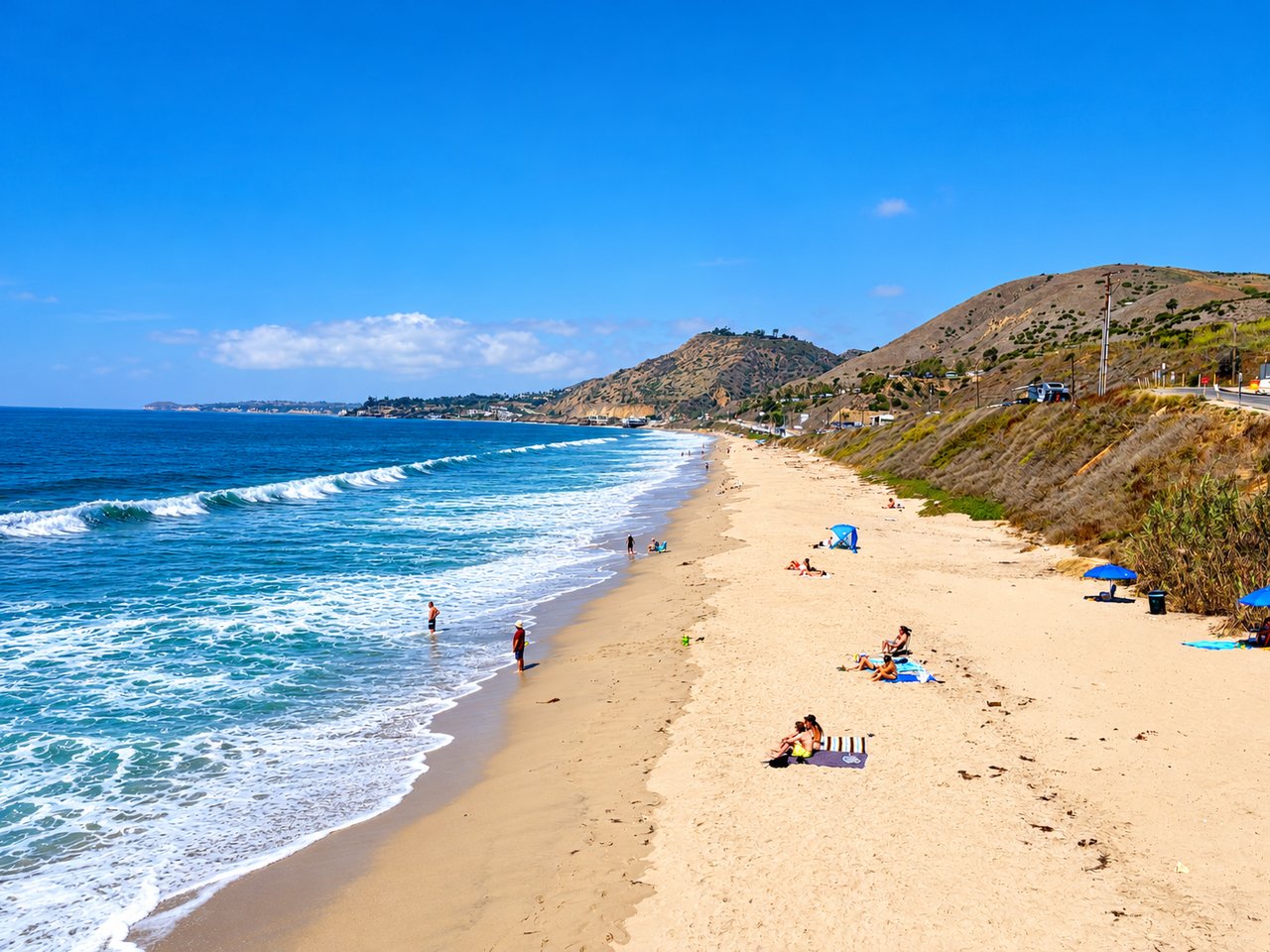
From Sinkhole Headlines to Sandy Shores: Our Latest Look at Malibu’s Beaches
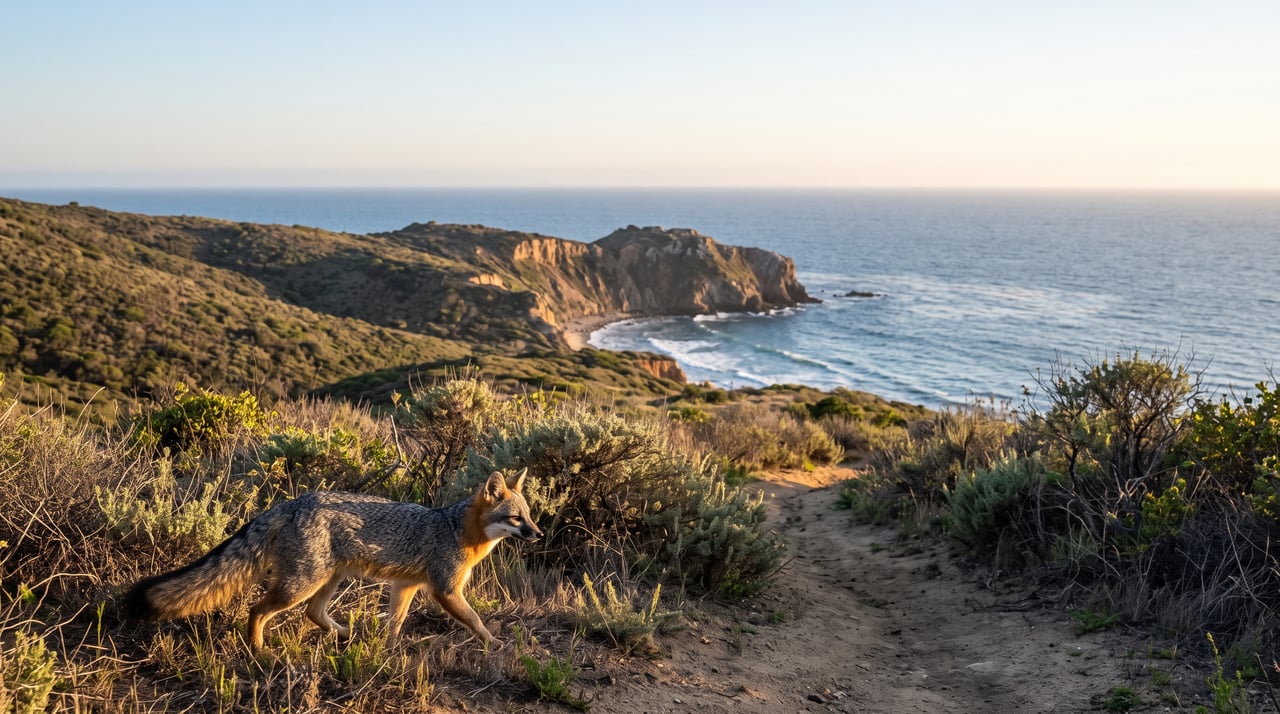
A closer look at Malibu’s elusive gray foxes

Pickleball is coming to Malibu, and Madison is joining in. Here’s your guide to the Veolia Malibu Showcase, from watching the action to getting on the court.


Here’s your guide to celebrating Halloween in and around Malibu this October.
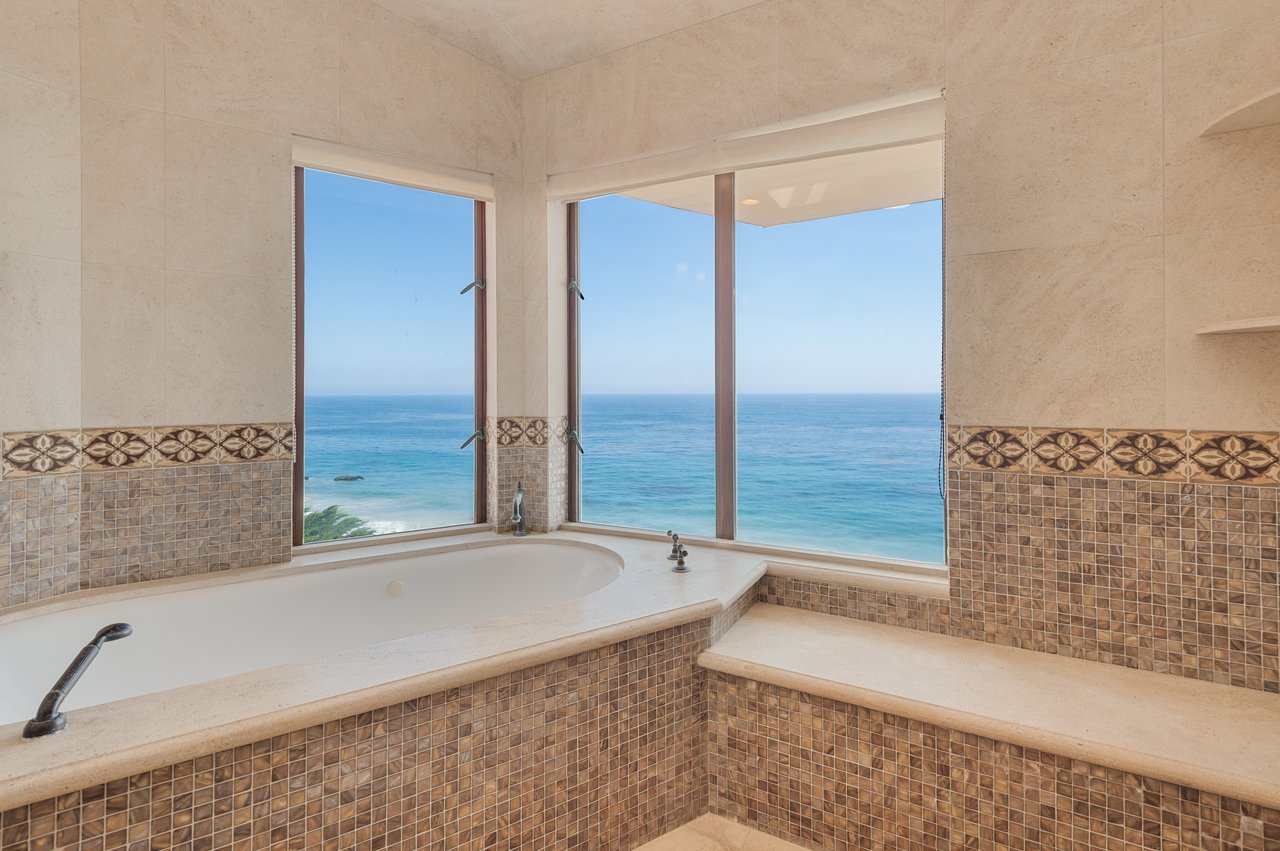
Here’s what buyers, sellers and renters should know heading into fall.
Discover why buyers are attracted to Central Malibu
Discover three reasons buyers are drawn to East Malibu.
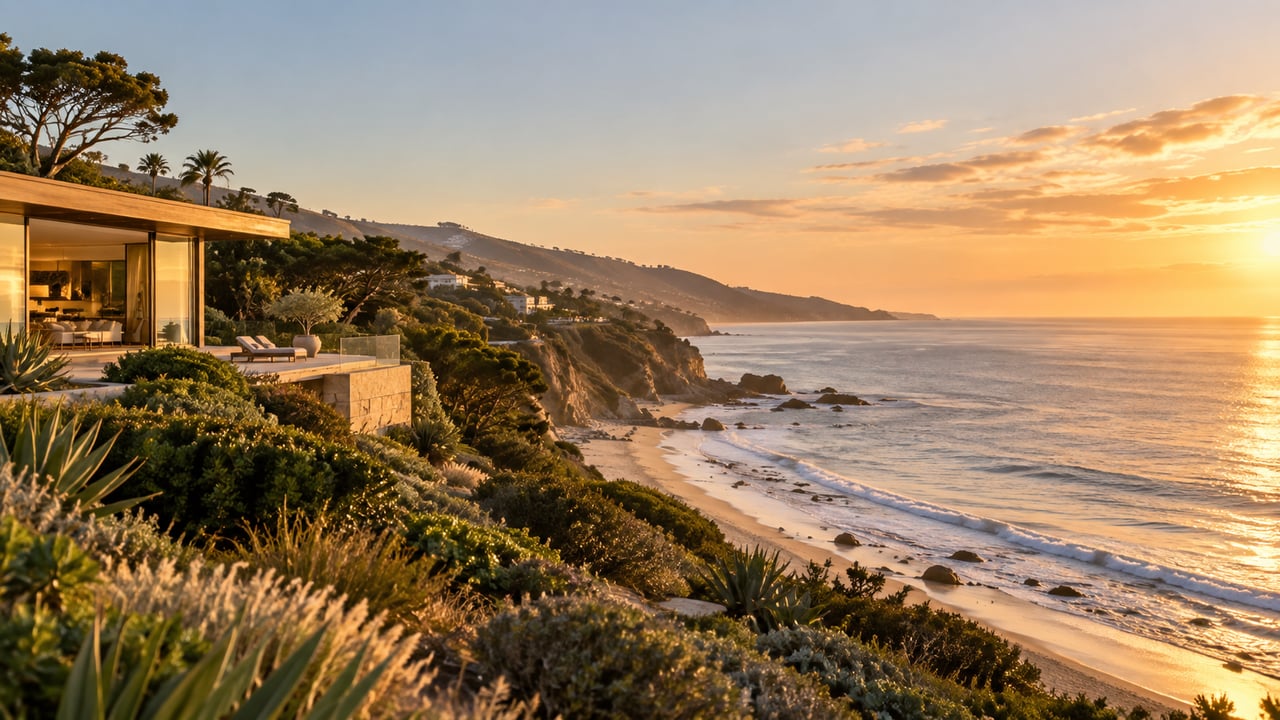
Why space, privacy and easy beach access continue to draw buyers to West Malibu.
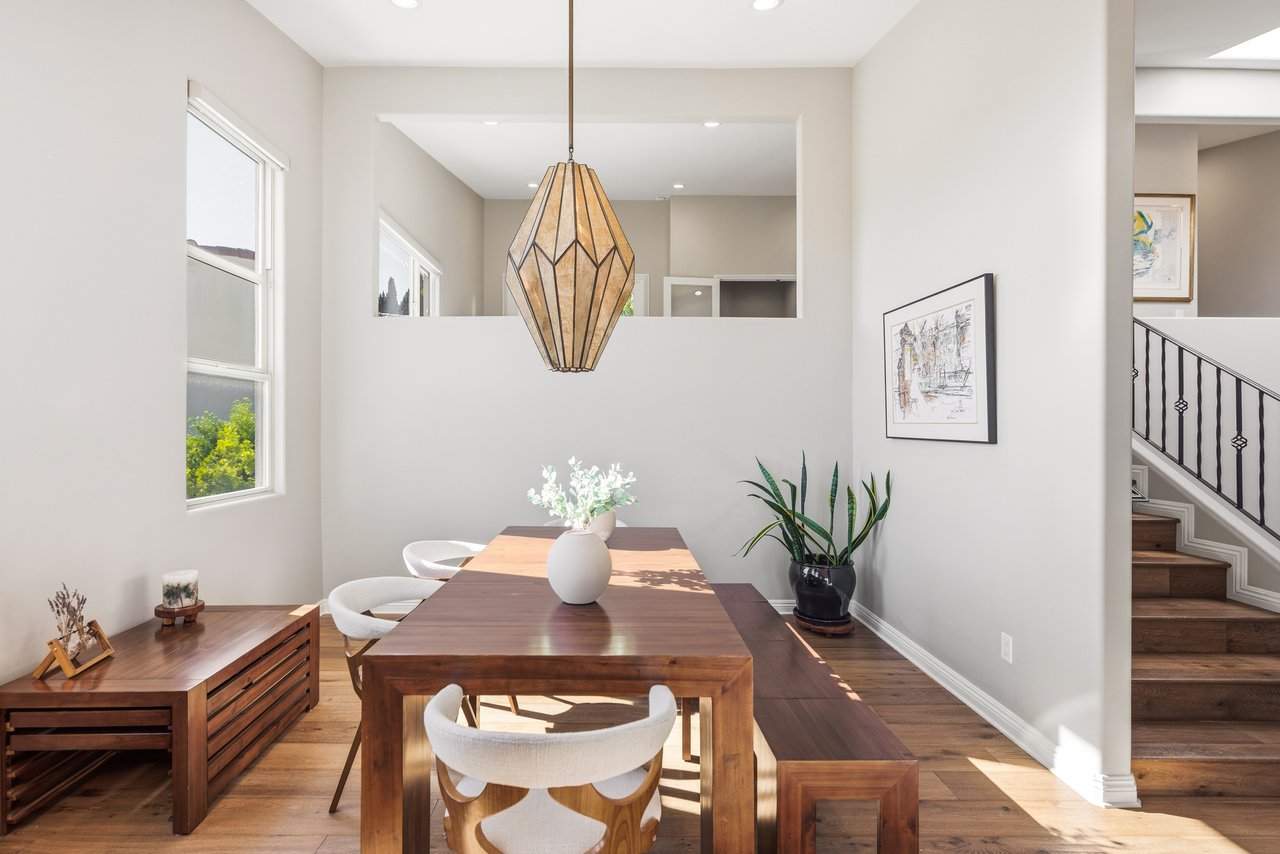
A closer look at a just-sold Malibu home

The Malibu Life Team
Madison Hildebrand | CA DRE# 01413280
Jennifer Chrisman | CA DRE# 01325526
24903 Pacific Coast Highway #200,
Malibu, CA 90265