Palisades Fire Malibu Recovery: One Year of Renewal
January 7, 2026

January 7, 2026
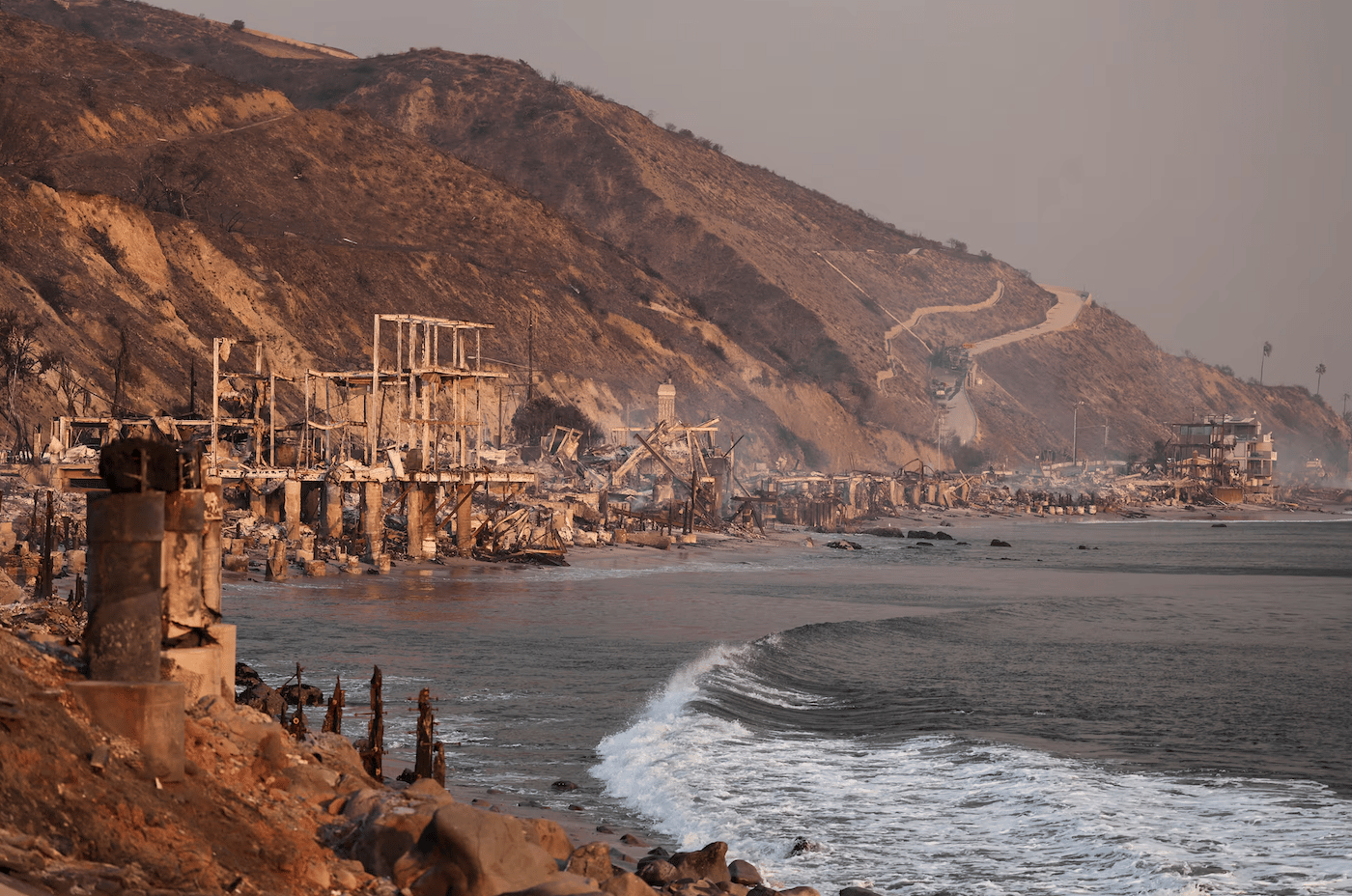
Nearly one year after the Palisades Fire affected parts of Malibu, the story here is no longer one of devastation — it’s one of resilience, renewal, and a community that refuses to lose its soul.
Malibu has always been defined by more than its breathtaking coastline. It’s defined by strength, creativity, and a deep respect for the land and the lifestyle it supports. Over the past year, those values have guided Malibu forward.
The Palisades Fire ignited on January 7, 2025, burning more than 23,700 acres across Los Angeles County and impacting parts of Malibu.
According to the City of Malibu and CAL FIRE:
23,707 acres burned
6,831 structures destroyed and 973 damaged across the broader fire zone
The City of Malibu cited approximately 720 affected structures within city limits
🔗 City of Malibu incident overview:
https://www.malibucity.org/palisadesfire
🔗 CAL FIRE incident details:
https://www.fire.ca.gov/incidents
The scale was significant but Malibu will come back.
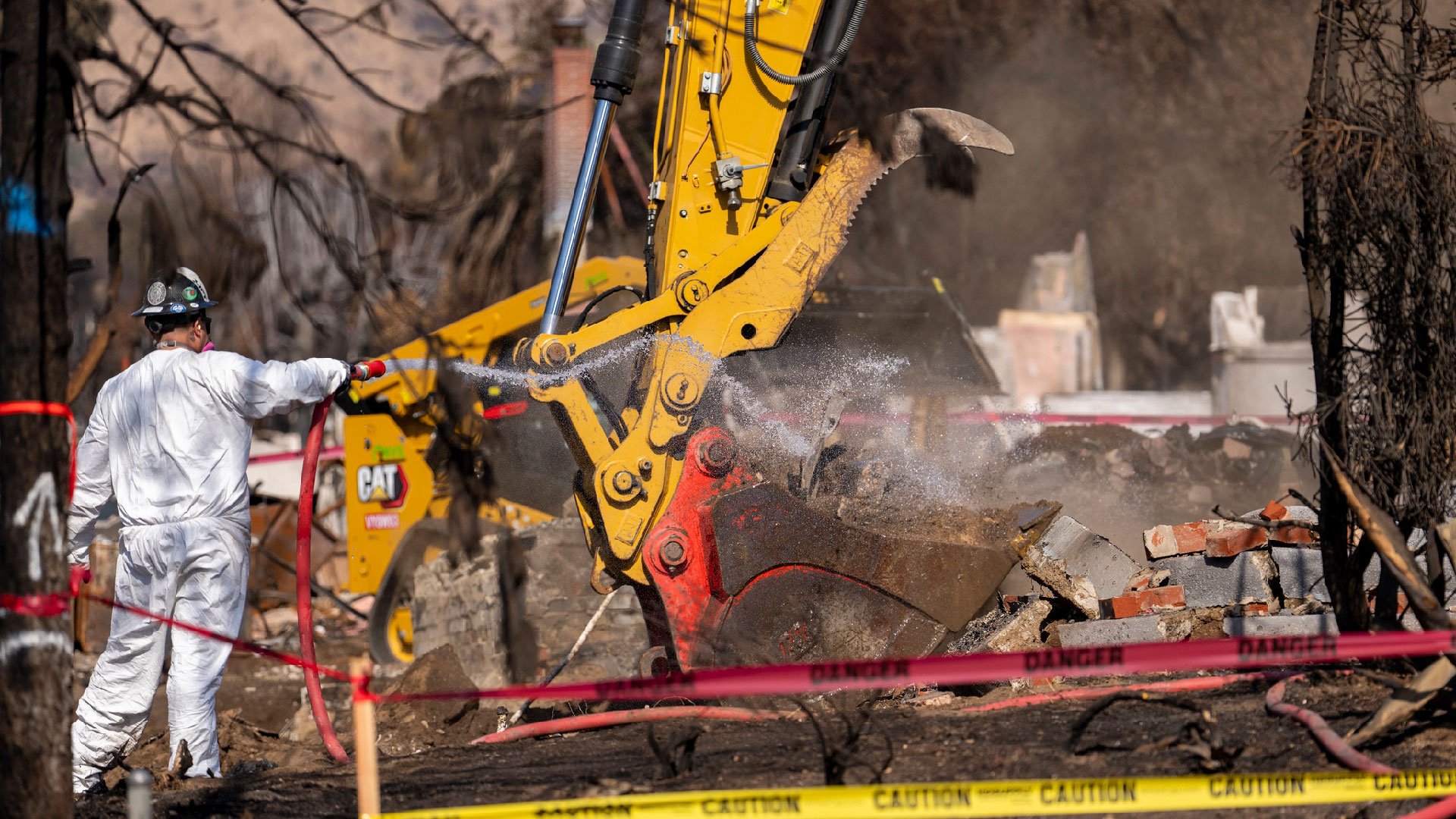
Before rebuilding could begin, Malibu had to do the hardest part first: clean up safely and responsibly.
The U.S. Army Corps of Engineers, working with FEMA, completed debris removal on 4,011 properties across the Palisades Fire area
Cleanup spanned more than 23,000 acres, removing hazardous materials and stabilizing sites for future construction
🔗 USACE Palisades Fire debris removal update:
https://www.usace.army.mil/Media/News-Releases/
This phase laid the foundation — literally — for Malibu’s next chapter.
Rebuilding in Malibu is never rushed — and that’s by design.
Because of coastal regulations, environmental protections, and hillside safety standards, rebuilding here requires care and precision. While that means timelines can be longer, it also ensures Malibu’s future is built stronger, safer, and smarter.
Homeowners rebuilding today are incorporating:
Fire-resilient materials and design
Improved site planning and access
Long-term sustainability and safety upgrades
🔗 Malibu Rebuilds official resource hub:
https://www.maliburebuilds.org
🔗 State of California Rebuilding LA dashboard (Malibu permits):
https://rebuildingla.ca.gov
Recovery isn’t only about homes — it’s about life, connection, and community. Malibu has welcomed back beloved local spots and seen exciting new hospitality ventures take shape, bringing energy and unforgettable experiences back to the coast.
Over the past year:
Clark's Oyster Bar Malibu – Malibu welcomed a fresh seafood destination bringing Texas-inspired coastal cuisine to Cross Creek Ranch, now open after fire-related delays.
Malibu Brewing Company – The local craft brewery that has become a community favorite continues to thrive; its Malibu taproom remains a go-to for casual bites and beers while expansion grows.
Ollo – A beloved Malibu brunch and dinner spot where locals and visitors reconnect over ocean breezes and seasonal cuisine.
Nobu Malibu – The world-renowned sushi destination remains a Malibu staple, surviving the fire and still serving waterfront views and contemporary Japanese-fusion menus.
Geoffrey’s Malibu – Iconic seafood and New American classics with panoramic Pacific views are back in full swing.
La Nena Cantina – A newer vibrant Mexican cantina perfect for casual gatherings and happy hours.
Zinqué - Malibu – A French-inspired café for brunch, cocktails, and laid-back Malibu dining.
Aviator Nation Dreamland – A lively spot blending brunch, tacos, and music culture.
Scott’s Malibu Market and Irv’s Burgers – Local favorites for casual bites and community hangouts.
Broad Street Oyster Company – Classic seafood with a contemporary vibe, right on Pacific Coast Highway.
Pura Vida - Malibu — Recently opened in Malibu, this beloved Miami-born café brings its signature organic bowls, smoothies, and clean coastal aesthetic to the heart of town. It’s quickly become a local favorite for morning routines, post-beach lunches, and effortless Malibu living.
One of the most inspiring stories in the year since the Palisades Fire is about the natural world returning with strength and vibrant beauty.
Fire is a natural part of the California ecosystem, and over time many local plants and animals have evolved to bounce back — sometimes more beautifully than before. In the months following the fire, wildlife and plant life across Malibu’s canyons, hillsides, and open space preserves began to show remarkable signs of recovery.
In the spring and early summer after the fire:
Blankets of wildflowers began to unfurl across previously charred slopes, including coreopsis, consumption flowers, and vibrant poppies.
Coastal sage scrub and chaparral plants — such as black sage, California lilac, and monkeyflower — are re-sprouting from root systems that survive fire and are adapted to regrowth after heat.
These early blooms help stabilize soil, reduce erosion, and create habitat for returning wildlife.
Many native plant communities are actually fire-adapted or fire-dependent, meaning moderate fire can stimulate seed germination and new plant vigor — a testament to nature’s resilience when given space to heal.
With vegetation rebuilding, wildlife has followed:
California quail and other native birds have been spotted across regrowth areas, taking advantage of new seed sources and open habitat.
Coyotes, bobcats and deer have gradually returned to give balance to local ecosystems, as plant cover increases and prey species re-establish.
Butterflies and native pollinators — critical for wildflower life cycles — have been active in bloom zones, signaling health in the rebounding plant community.
Experts emphasize that this rebound will continue for many years, reflecting a cycle of restoration that’s both gradual and profound.
Nature isn’t merely surviving — it’s adapting and returning.
Wild hillsides once again become colorful canvases in spring and summer.
Habitats that seemed barren last year are now seeing signs of life.
Malibu’s natural beauty has always been its soul. Today, as plants and animals reclaim space and flourish again, that soul feels refreshed — and more alive than ever.
Even in a year shaped by recovery, Malibu remains one of the most coveted real estate markets in the world.
Median listing price: ~$6,995,000
Average listing price: ~$11,500,000
Median sold price in the past year: ~$4,863,000
Average sold price in the past year: ~$7,500,000
Some fire-impacted lots present rare opportunities to build new, custom coastal homes
Demand for Malibu’s lifestyle continues to attract long-term, value-driven buyers
Despite challenges, Malibu’s combination of privacy, natural beauty, proximity to Los Angeles, and tight community keep Malibu a top desination to own real estate.
The past year reaffirmed what residents already know:
this is a community that shows up, rebuilds with intention, and protects what makes it special.
For homeowners, Malibu is worth restoring. For buyers, Malibu remains a once-in-a-lifetime place to invest.
One year later, Malibu is standing tall — grounded, optimistic, and moving forward.
At The Malibu Life, we believe Malibu’s story is not defined by a single moment, but by its ability to rise stronger every time. The next chapter is already being written — and it’s filled with possibility.
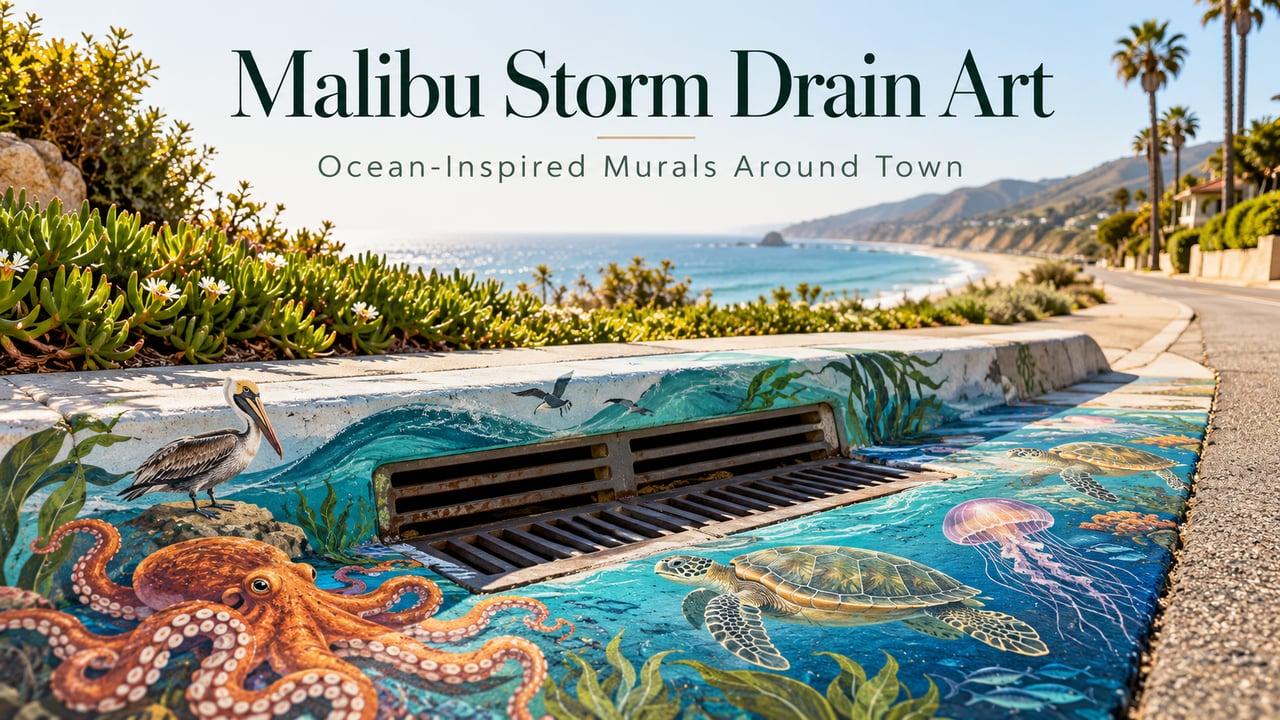
Four ocean-inspired murals have popped up around town. Here's where to find them.
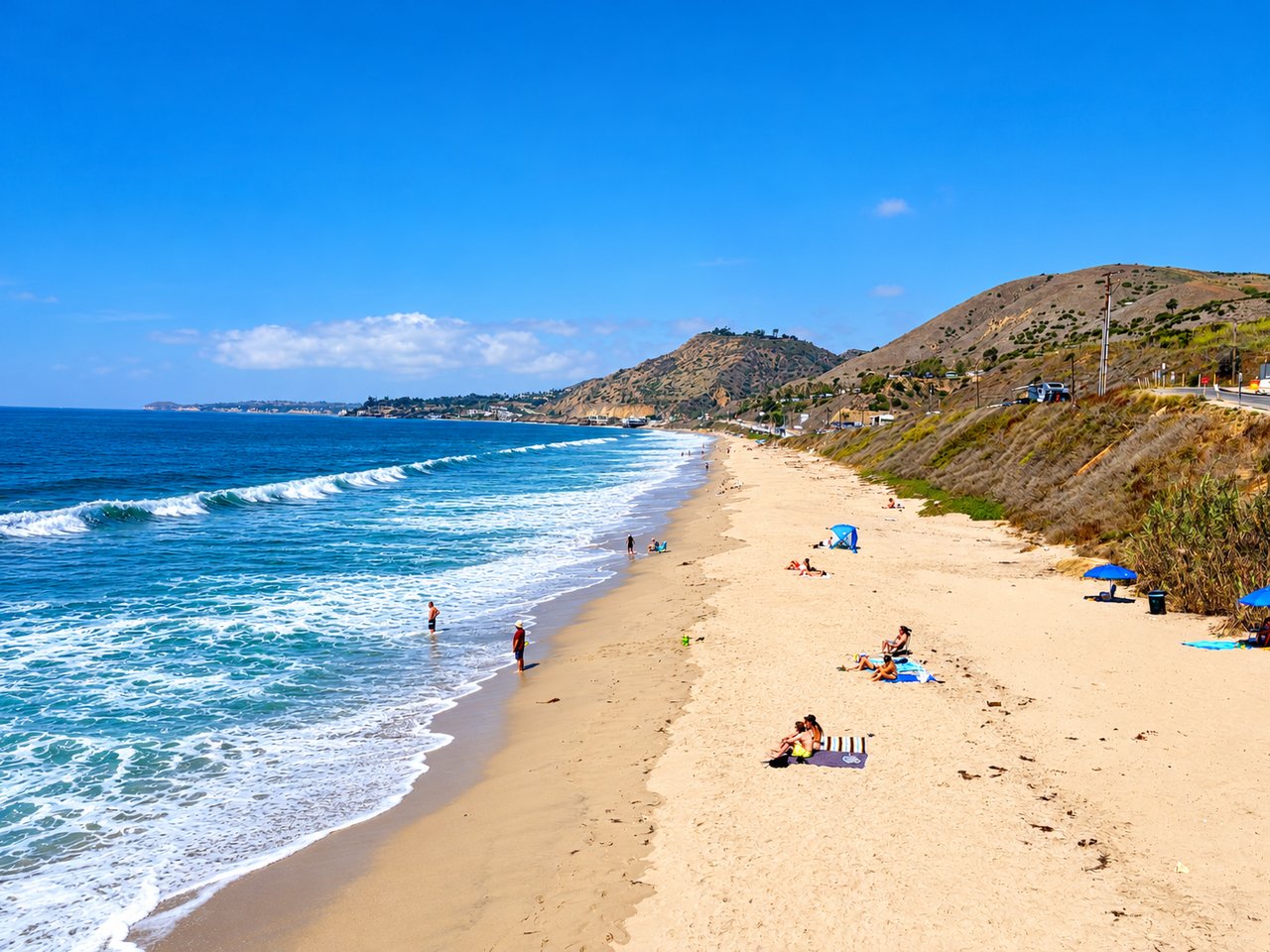
From Sinkhole Headlines to Sandy Shores: Our Latest Look at Malibu’s Beaches
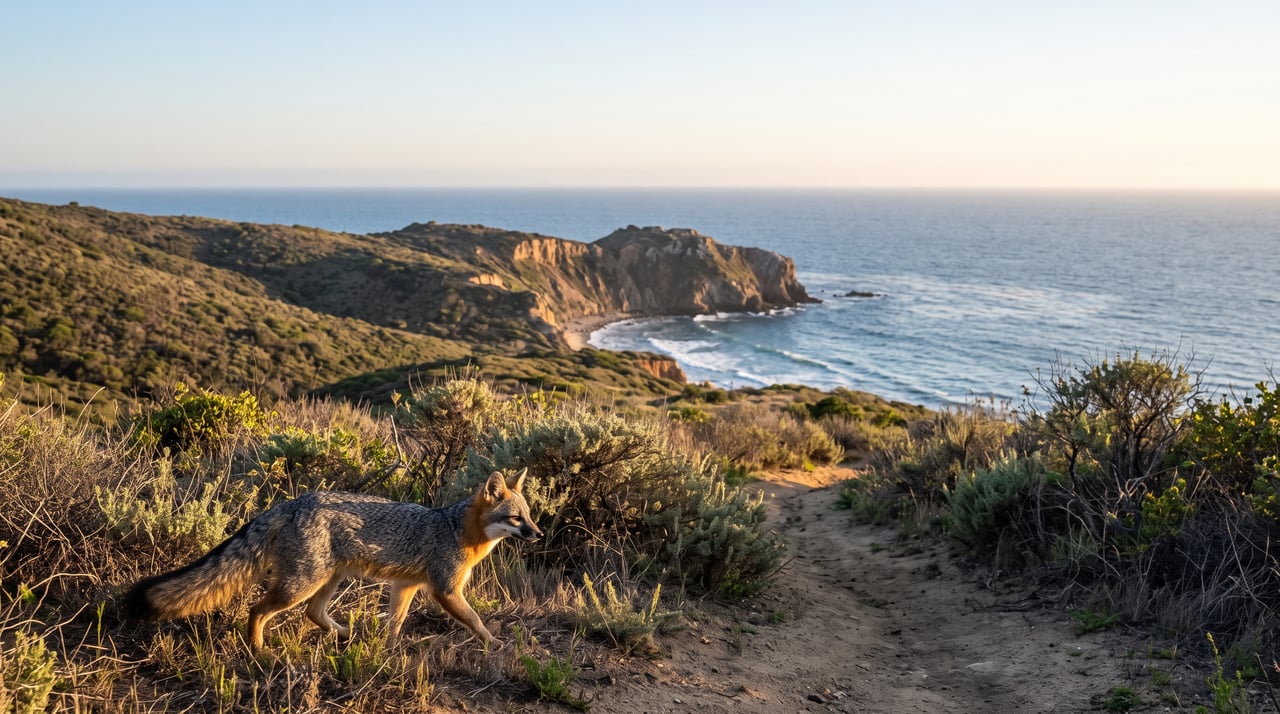
A closer look at Malibu’s elusive gray foxes
Pickleball is coming to Malibu, and Madison is joining in. Here’s your guide to the Veolia Malibu Showcase, from watching the action to getting on the court.
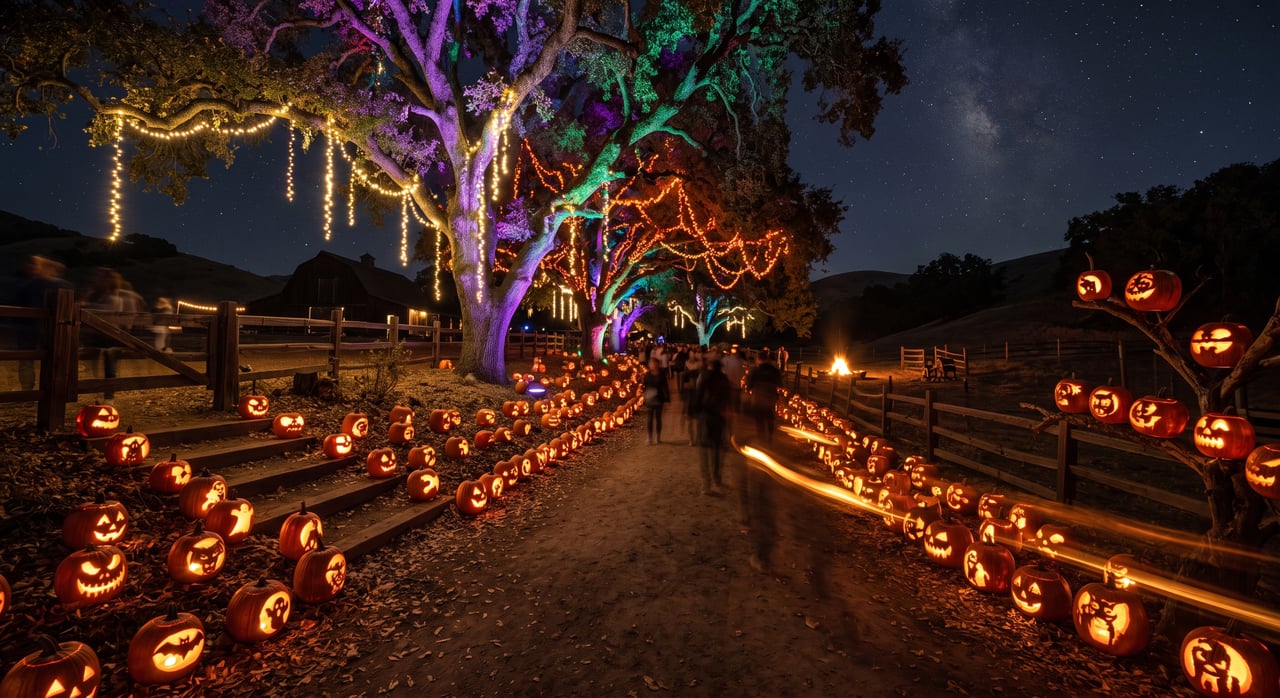
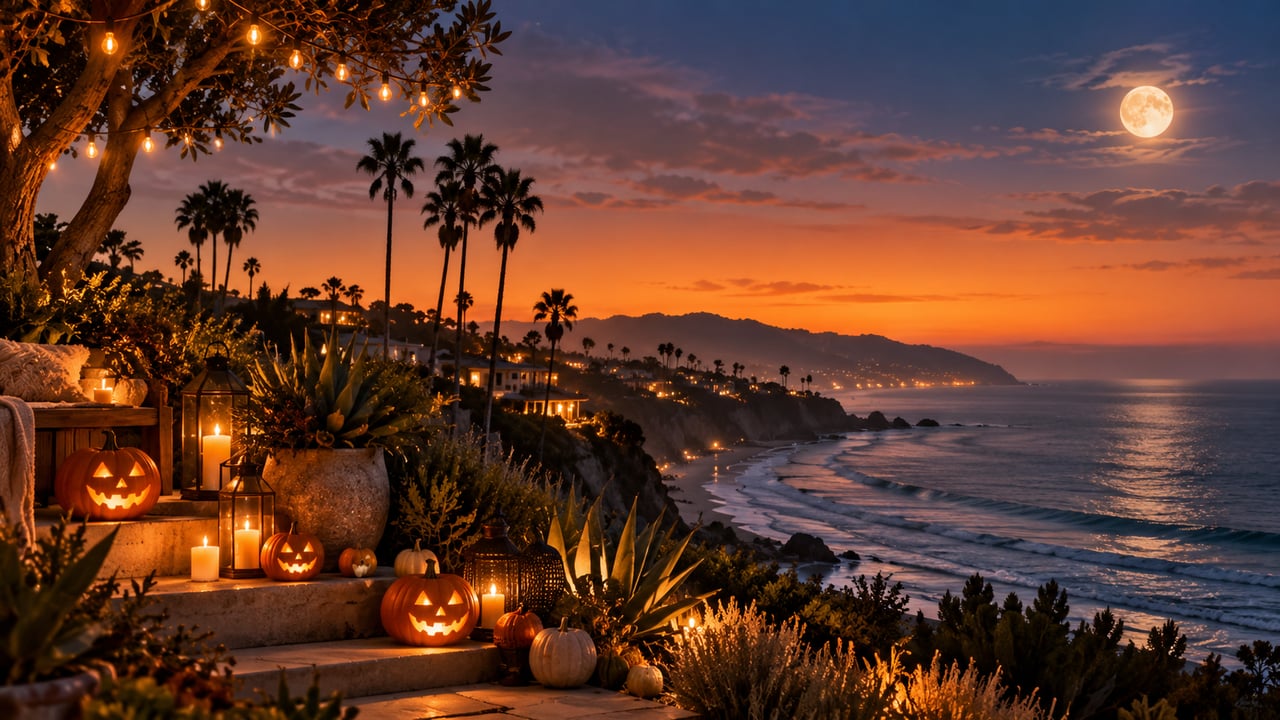
Here’s your guide to celebrating Halloween in and around Malibu this October.
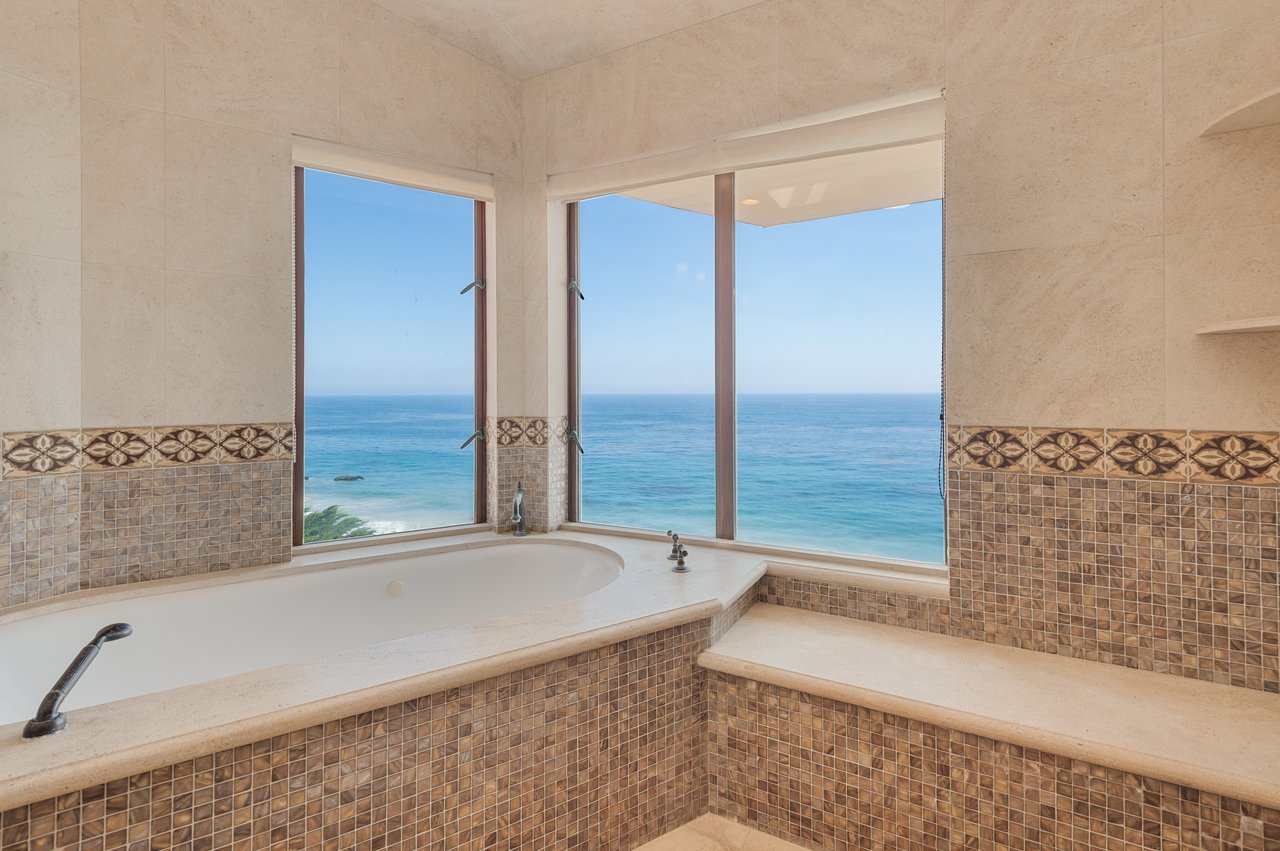
Here’s what buyers, sellers and renters should know heading into fall.
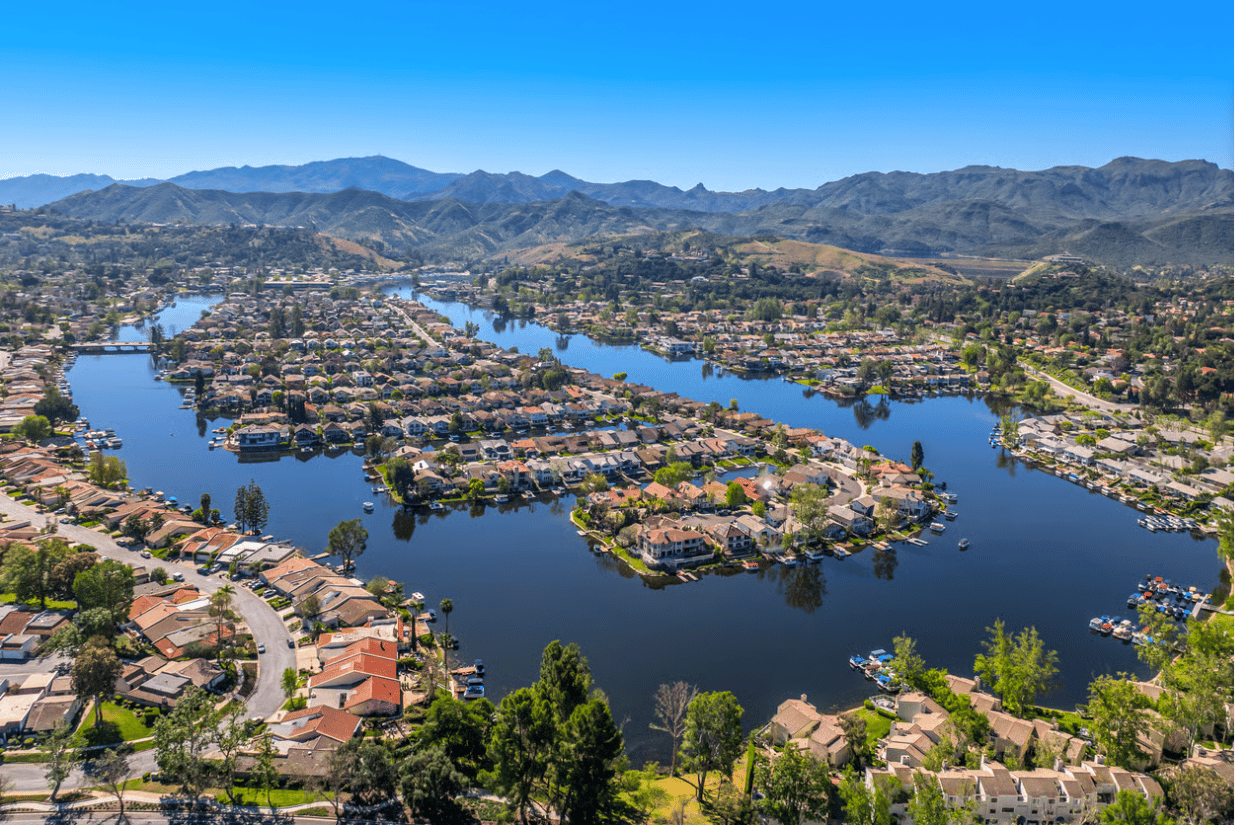
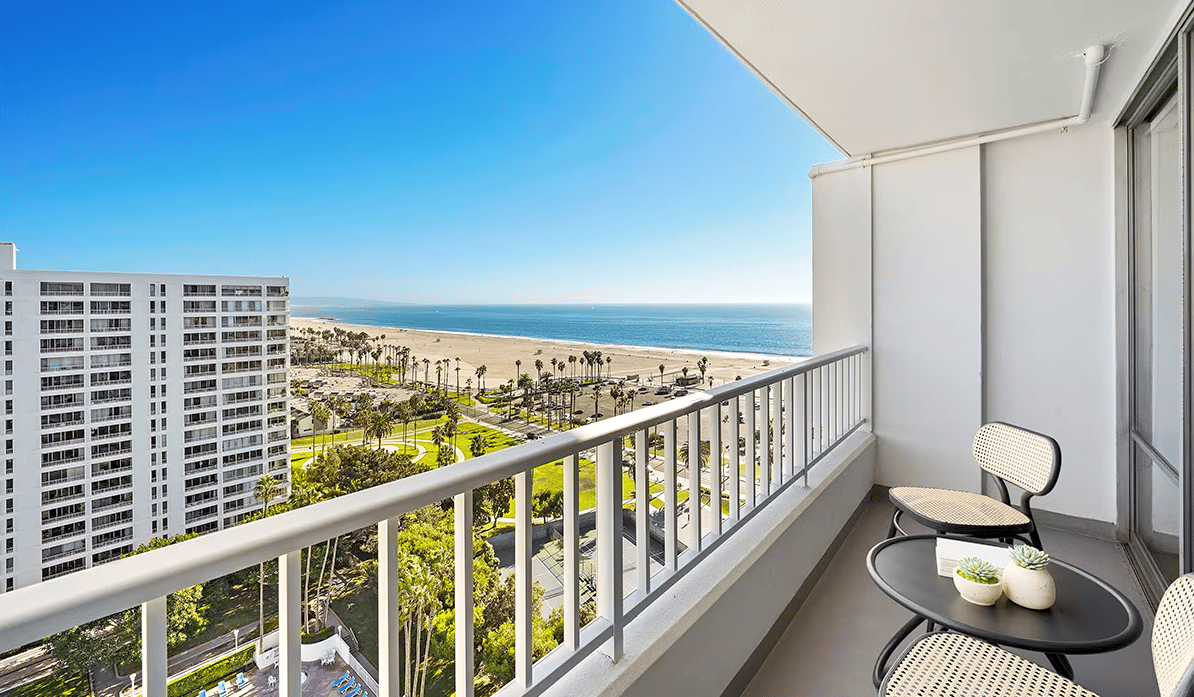
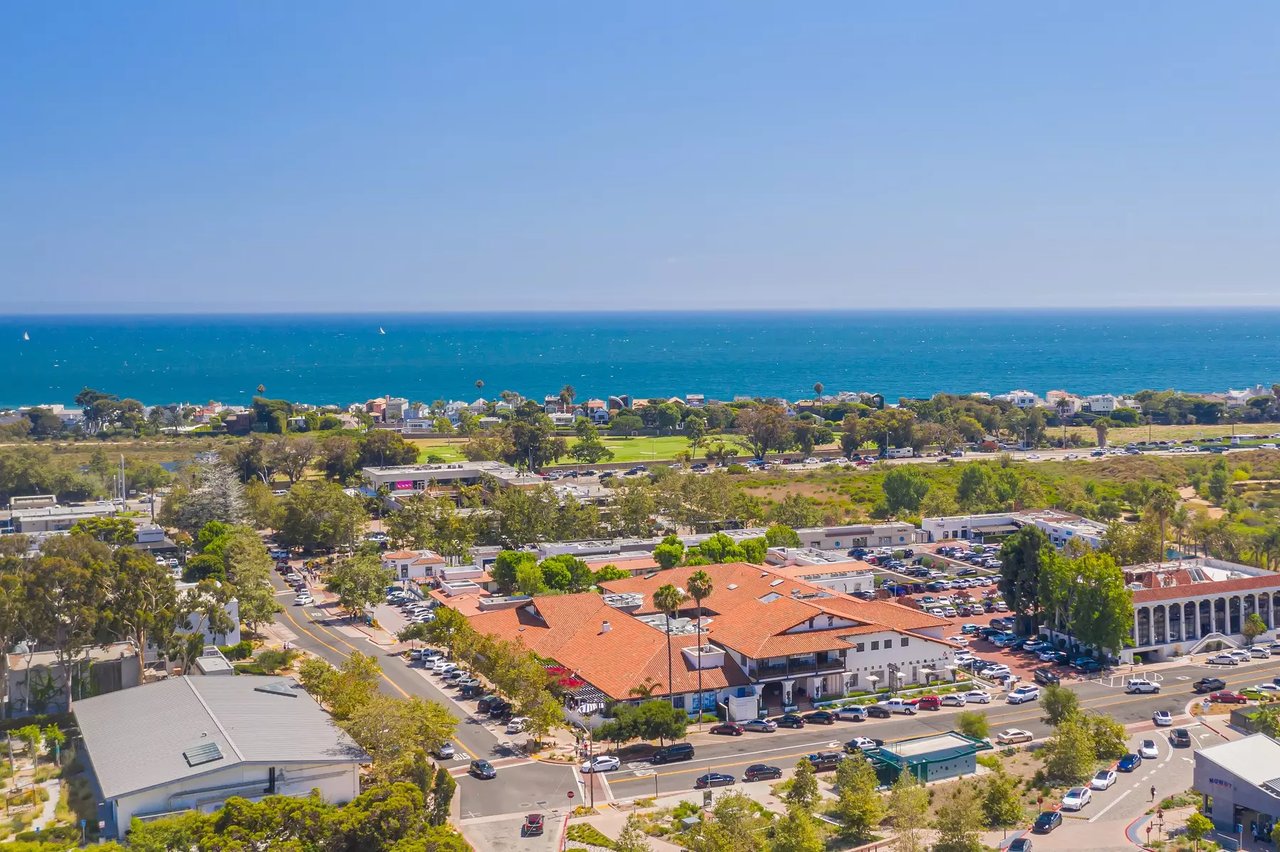
Discover why buyers are attracted to Central Malibu
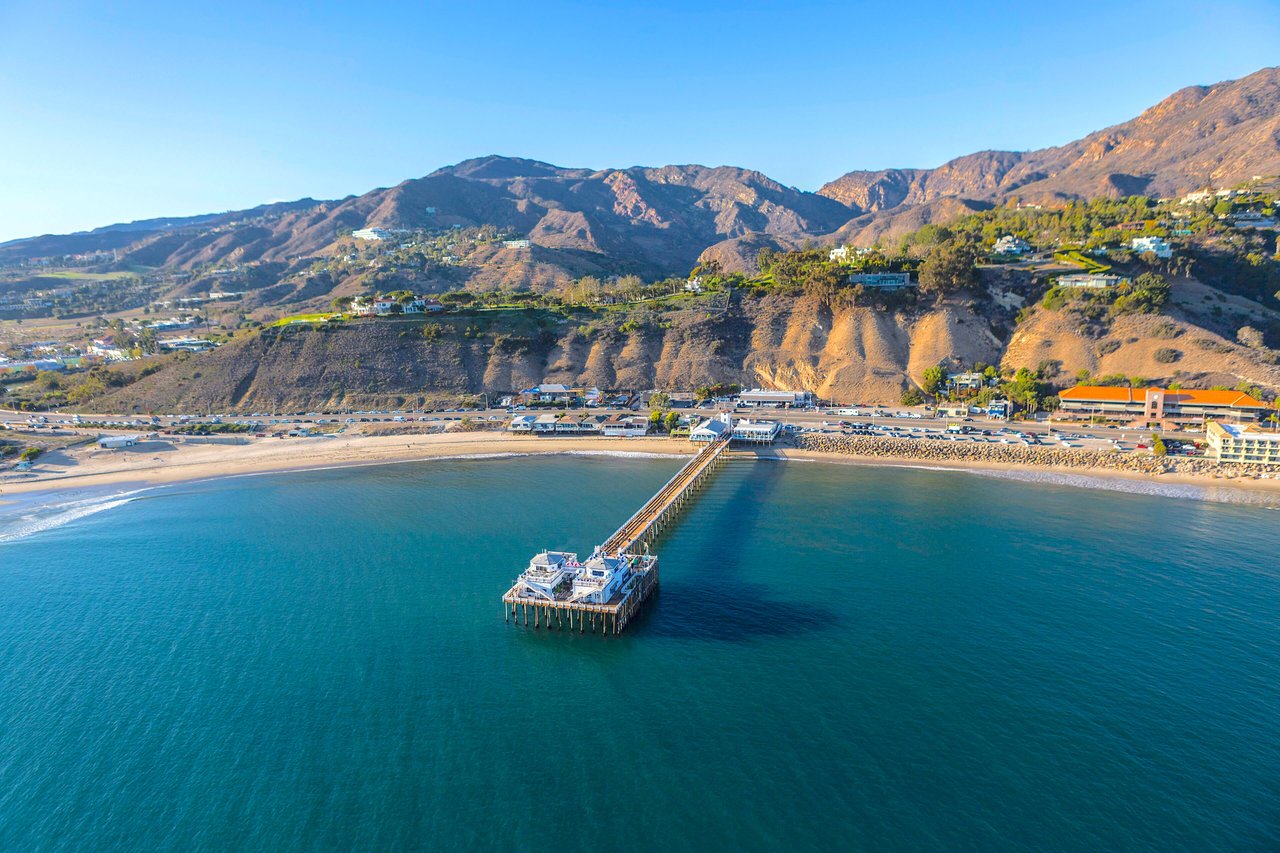
Discover three reasons buyers are drawn to East Malibu.
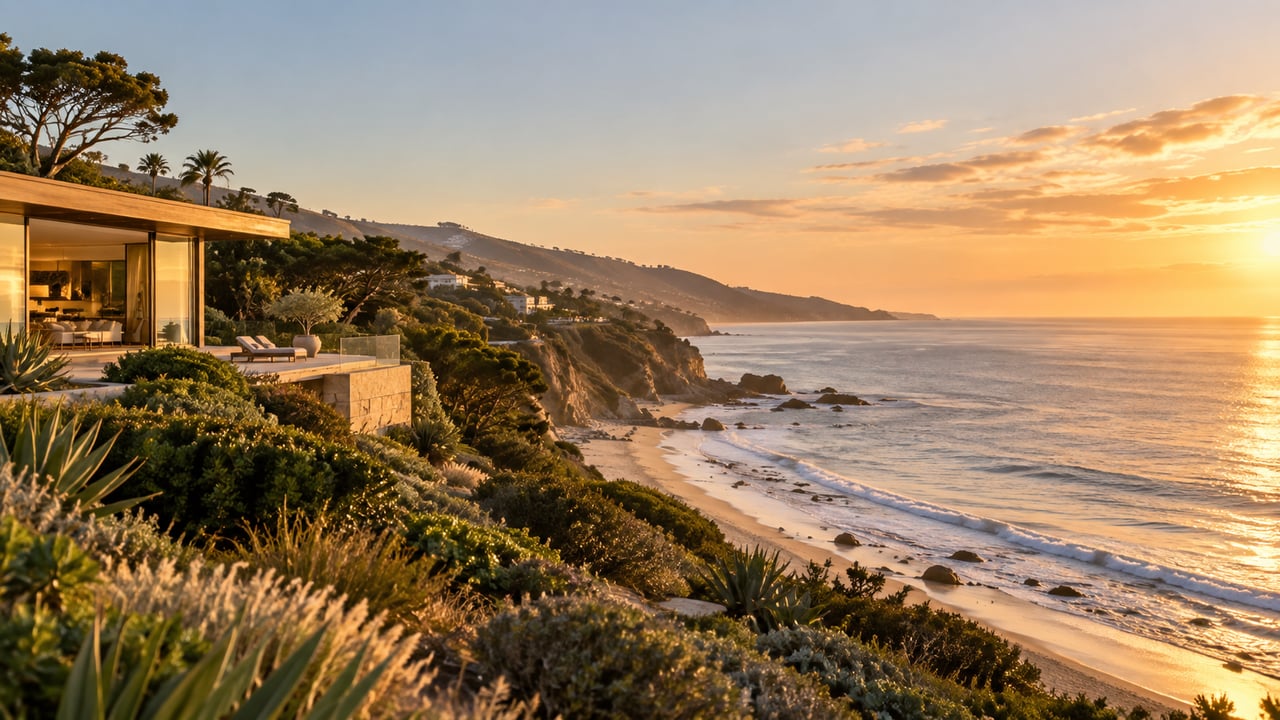
Why space, privacy and easy beach access continue to draw buyers to West Malibu.

The Malibu Life Team
Madison Hildebrand | CA DRE# 01413280
Jennifer Chrisman | CA DRE# 01325526
24903 Pacific Coast Highway #200,
Malibu, CA 90265