Buying Equestrian Property In Agoura Hills And Calabasas
May 21, 2026
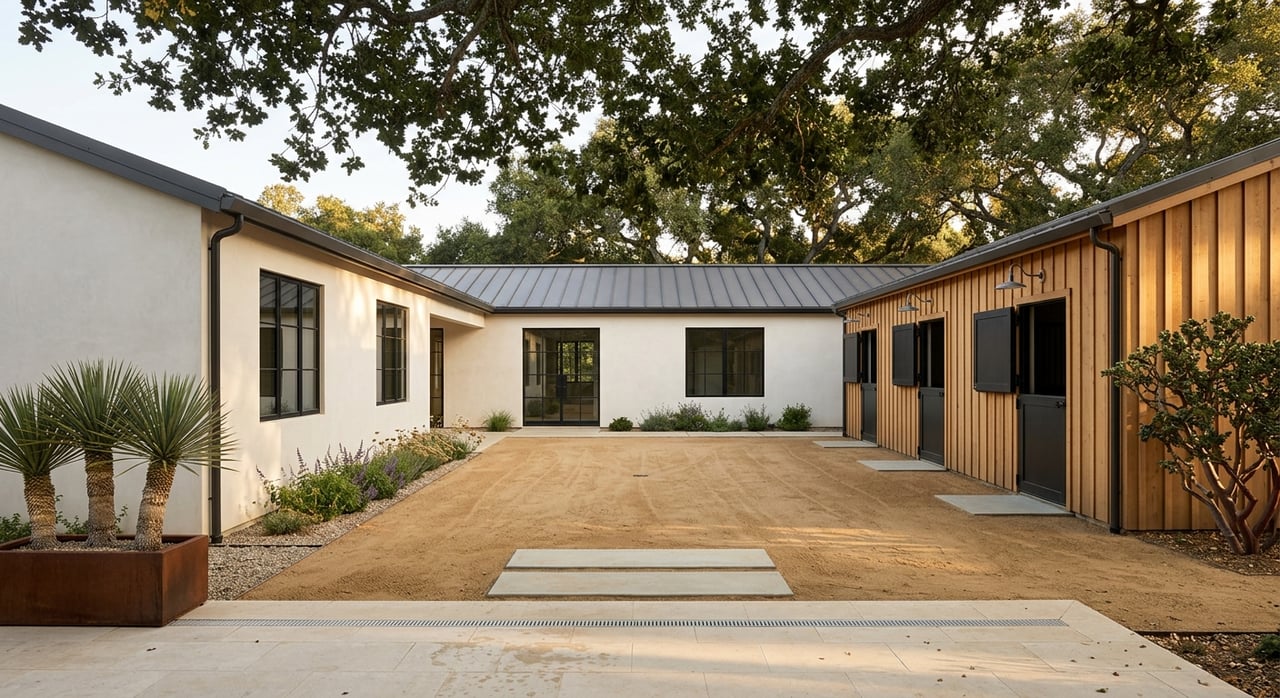
May 21, 2026
If you are dreaming about a horse property near the Santa Monica Mountains, Agoura Hills and Calabasas deserve a close look. Both cities are tied to a broader trail network and an equestrian lifestyle, but buying the right property takes more than spotting a barn or a larger lot online. You need to understand zoning, parcel size, trail access, and the day-to-day realities that come with keeping horses at home. Let’s dive in.
Agoura Hills and Calabasas both sit within the Santa Monica Mountains trail ecosystem, and each city treats equestrian access as part of its identity. Agoura Hills highlights hiking, biking, and equestrian trails and positions itself as a gateway to the Santa Monica Mountains. Calabasas has built its Trails Master Plan around a connected pedestrian, equestrian, and bicycle network.
For you as a buyer, that means the equestrian lifestyle here is not an afterthought. It is part of how these communities are planned and experienced. Still, not every horse-friendly property offers the same level of legal use, on-site functionality, or direct trail convenience.
One of the biggest mistakes buyers make is assuming every larger property can automatically function as an equestrian property. In Agoura Hills and Calabasas, parcel size is one of the first filters to apply. It affects whether horses may be kept on site, how many animals may be allowed, and where barns, corrals, paddocks, or stables can be placed.
A useful way to think about this market is by parcel-size bands. In general, you will see roughly 20,000-square-foot equestrian-capable lots in parts of Agoura Hills, 1-acre horse-capable lots in Calabasas, and larger 5-acre-plus parcels where more substantial horse facilities become more realistic. That is not a citywide average, but it is a practical way to read the options.
In Agoura Hills, the RL residential low-density district requires a minimum lot area of 20,000 square feet or more, depending on the zoning map, along with a minimum depth of 200 feet and width of 75 feet. The city’s livestock standards allow a combined maximum of 18 equines and certain other livestock per acre, with horses and cattle limited to 8 adult animals per acre.
There are also placement rules for animal housing. Structures for animals must be at least 35 feet from streets or habitable structures, except for corrals. In the city’s OS-R open-space-restricted district, density can be as low as 1 unit per 5 acres, which points to a more rural land-use pattern.
In Calabasas, large farm animals, including horses, are allowed only on parcels of 1 acre or larger. The code limits large animals to 1 animal per 20,000 square feet of site area. It also states that barns, corrals, paddocks, and stables may not be located on sites smaller than 1 acre.
Setbacks matter here as well. Animal enclosures must be at least 50 feet from habitable structures on another site, 30 feet from street right-of-way, and 20 feet from side or rear property lines. Calabasas also advises buyers to review the zoning map, land-use map, and fire-hazard map together because parcel-level rules can vary.
Trail access is one of the biggest lifestyle draws in this area. It can shape how often you ride, whether you trailer out or ride from home, and how practical the property feels once you move in. But proximity to trails is not the same thing as private or guaranteed legal access.
Agoura Hills points residents and visitors to hiking, biking, and equestrian trails and also lists an equestrian arena at Old Agoura Park. The city notes that Ladyface Greenway is planned to include walking, biking, and equestrian trails. These amenities support the local riding culture and add to the appeal of horse-oriented ownership.
Calabasas offers a broad planning vision for multi-use trails. Its Trails Master Plan includes off-street improved trails, unpaved hiking and equestrian trails, and staging areas for parking, information, and access. Existing examples named in the plan include the 1.4-mile Juan Bautista de Anza Trail, the 8-mile New Millennium Loop Trail, the 2.4-mile Las Virgenes View Trail, the Secret Trail and Cold Creek Trail, and the Bark Park Trail.
There is also strong regional riding infrastructure nearby. The National Park Service identifies local riding sites throughout the Santa Monica Mountains and notes that the recreation area includes more than 500 miles of horse trails. For practical access, horse trailers may park at Old Agoura Park or at the main lot for Cheeseboro and Palo Comado Canyon, although weekend trailer parking can be difficult due to heavy visitation.
If trail access is one of your top priorities, ask careful, property-specific questions before you close. Focus on legal access, not just marketing language or visual proximity.
For many buyers, the real question is not whether a property feels equestrian. It is whether the parcel truly supports on-site horse keeping in a way that fits your lifestyle. Some homes work well for a few horses at home, while others are better if you plan to board elsewhere and enjoy trail access separately.
In Calabasas, the 1-acre minimum, the density rule, and the setback standards mean that some buyers can keep horses on site, but only if the parcel size and layout cooperate. A property may meet the acreage threshold and still feel constrained once you account for access, grading, setbacks, and enclosure placement.
Agoura Hills also supports residential horse use, but its code draws a line between ordinary residential use and certain commercial-scale equestrian activity. The city states that horse and cattle raising, including breeding and training, may not occur on the same premises as a dairy, livestock feed yard, livestock sales yard, or commercial riding academy. For you, that is an important reminder that a home horse setup is different from a business operation.
As you narrow properties, it helps to separate your goals into two categories.
That distinction can save you time. A beautiful estate with enough land for turnout may still not fit a more intensive equestrian plan.
Horse property ownership in this area comes with more than land-use questions. You also need to be realistic about wildfire exposure, maintenance workload, and how the property functions over time.
Agoura Hills says the city is in a Cal Fire-designated Very High Fire Hazard Severity Zone. Calabasas also states that the entire city continues to be designated within a Very High Fire Hazard Severity Zone, and its fire-hazard page notes that properties in high or very high zones may be subject to Chapter 7A and defensible-space requirements.
For buyers, this affects both planning and ownership. You should review the property’s fire-hazard context early and understand how defensible space, building materials, access, and land maintenance may influence your decision.
Day-to-day horse care also deserves close attention. Malibu’s Horse Best Management Practices Manual offers a useful picture of the workload involved in horse ownership. It states that a horse typically generates about 50 pounds of manure per day, recommends daily manure removal from stalls and corrals, and says composting or hauling away manure is preferred.
The same guidance warns that spreading manure can harm water quality, recommends stabilizing dirt roads and trails, and notes that wash water should be contained on site because standard residential septic systems are not designed for horse-wash waste. Even though this guidance comes from Malibu, the maintenance realities are relevant for any buyer evaluating the practical side of an equestrian property.
For buyers already exploring the broader luxury market, it is natural to compare Agoura Hills and Calabasas with Malibu. The key difference is that Malibu adds another layer of planning complexity because the city is entirely within the California coastal zone and is governed by its Local Coastal Program.
That matters because equestrian properties in Malibu can involve not only ordinary residential review, but also coastal-zone and watershed considerations. Malibu’s rules are also more specific in some cases, including standards for animal keeping, environmental sensitivity, and parcel size for certain types of equestrian use.
In practical terms, Agoura Hills and Calabasas often offer a cleaner horse-property equation. Your decision usually depends more directly on parcel size, local zoning, trail adjacency, and site layout. Malibu can still be an excellent fit if you want ocean proximity alongside an equestrian lifestyle, but the horse and beach functions are often separate rather than delivered by a single parcel.
If you are shopping at the high end of the market, equestrian value is not just about acreage. It is about how efficiently the property supports the life you actually want to live. A well-designed residence with a usable parcel, strong access, and a manageable maintenance profile can be more valuable than a larger property with hidden limitations.
As you evaluate options in Agoura Hills and Calabasas, focus on the basics first. Confirm zoning, parcel dimensions, setbacks, legal trail access, and fire-hazard context before you get attached to cosmetic features. Once those fundamentals are clear, you can better judge whether a property supports your riding goals, privacy preferences, and overall lifestyle.
A thoughtful equestrian purchase is equal parts vision and verification. When those two line up, you can find a property that feels both beautiful and genuinely functional.
If you are considering equestrian property in Agoura Hills, Calabasas, Malibu, or the surrounding coastal and canyon markets, The Malibu Life offers high-touch buyer representation with local insight, discretion, and a concierge approach tailored to complex lifestyle purchases.
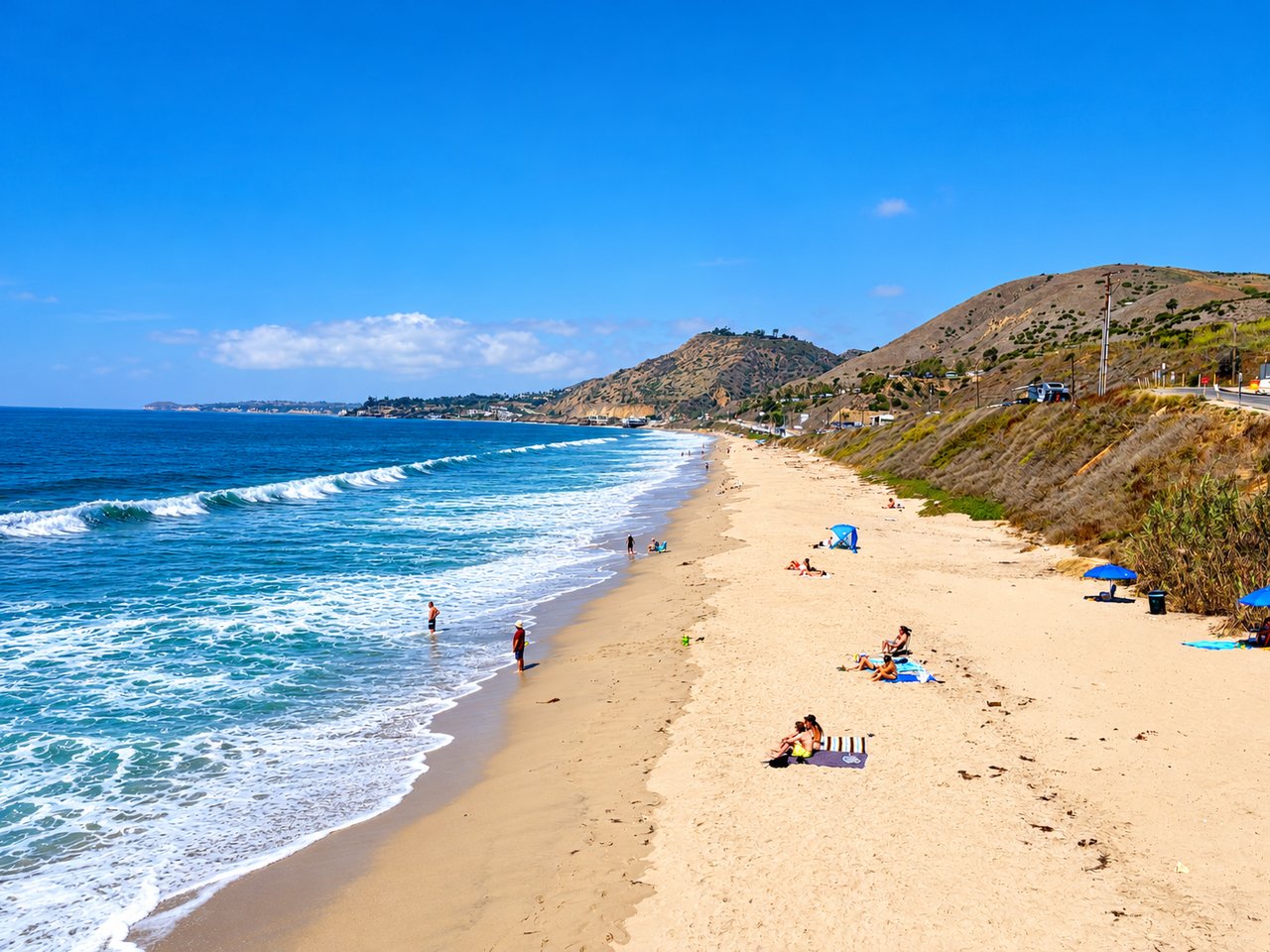
From Sinkhole Headlines to Sandy Shores: Our Latest Look at Malibu’s Beaches
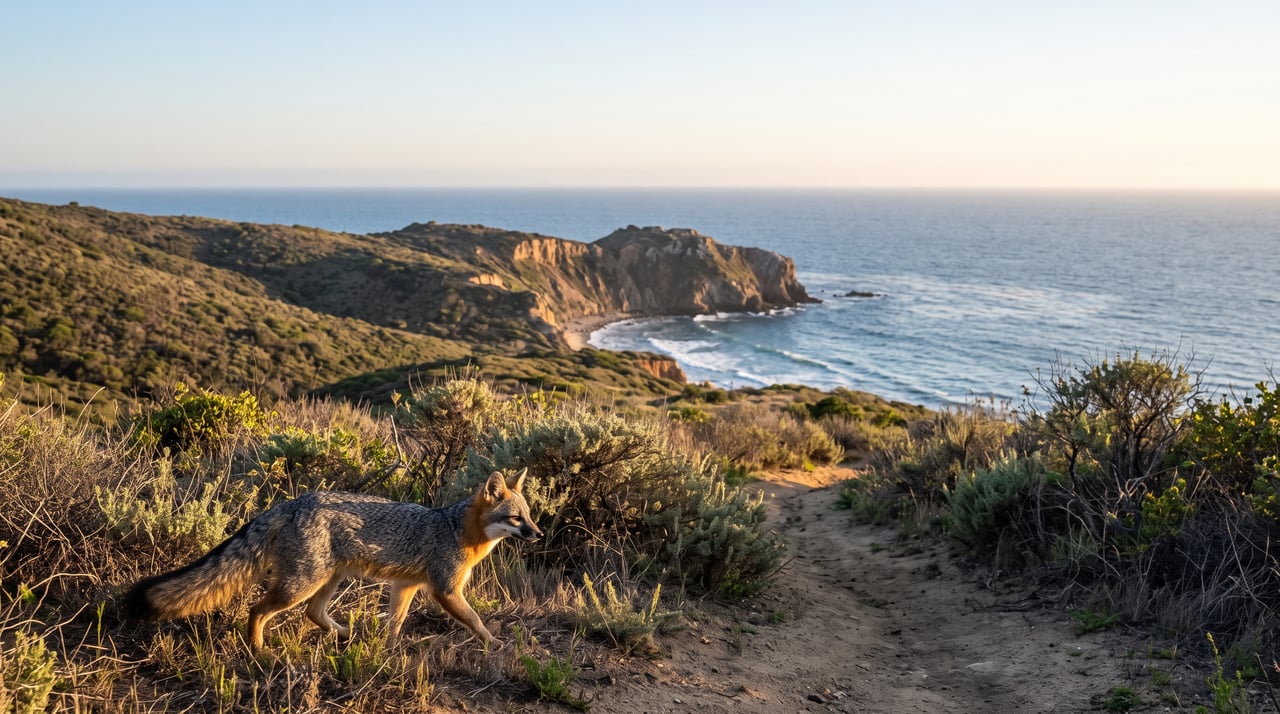
A closer look at Malibu’s elusive gray foxes
Pickleball is coming to Malibu, and Madison is joining in. Here’s your guide to the Veolia Malibu Showcase, from watching the action to getting on the court.
Here’s your guide to celebrating Halloween in and around Malibu this October.
Here’s what buyers, sellers and renters should know heading into fall.
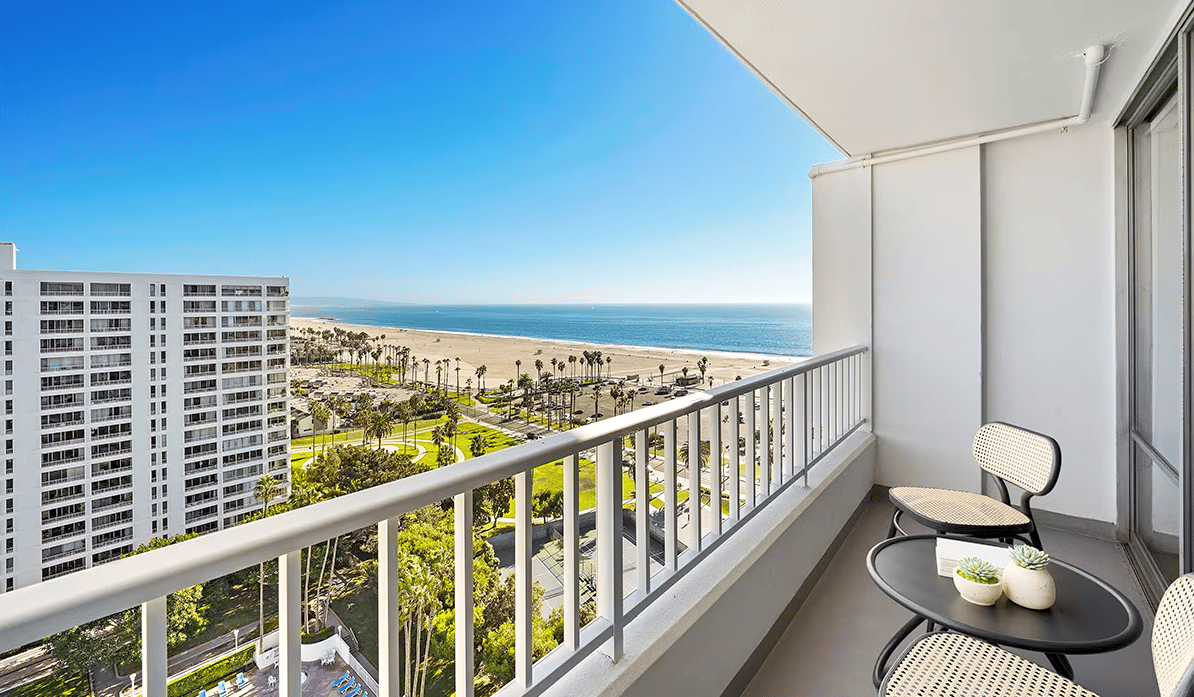
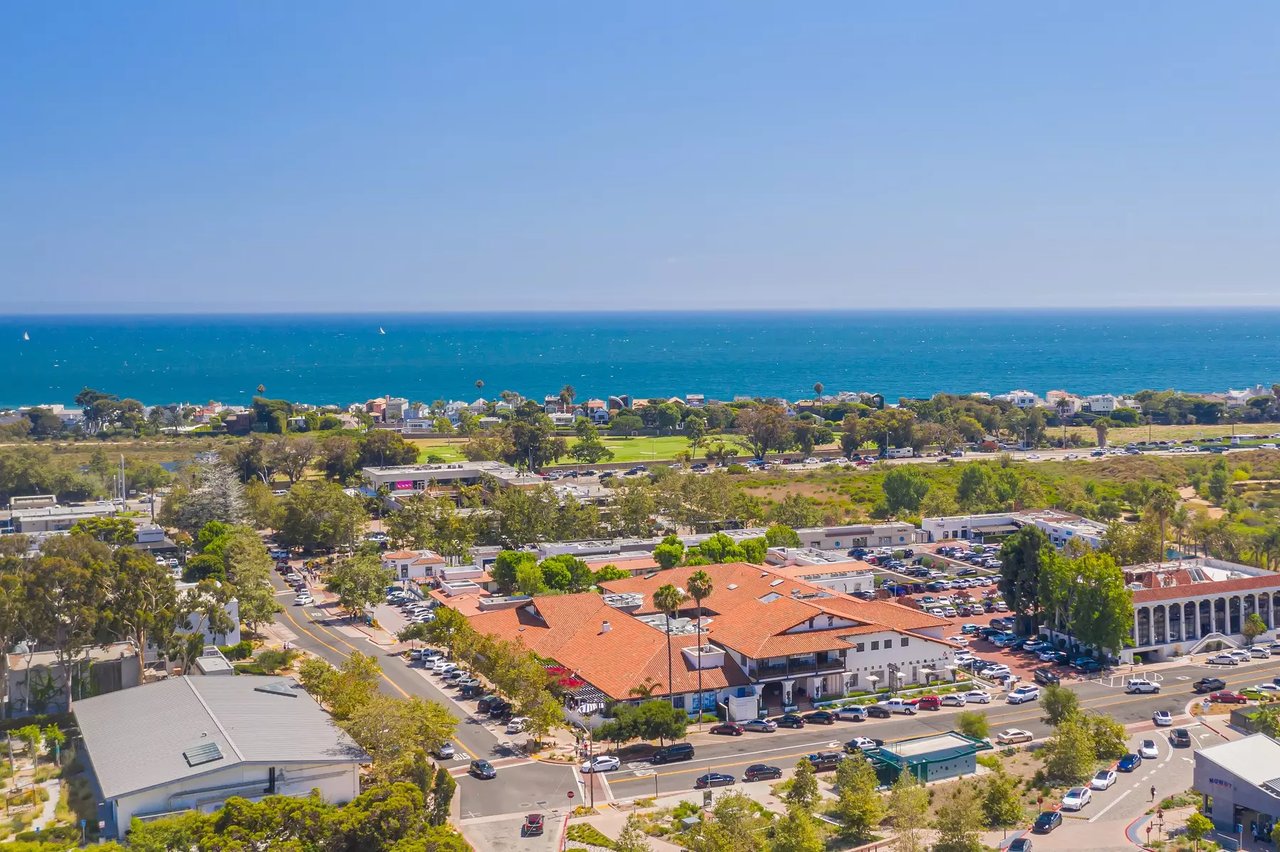
Discover why buyers are attracted to Central Malibu
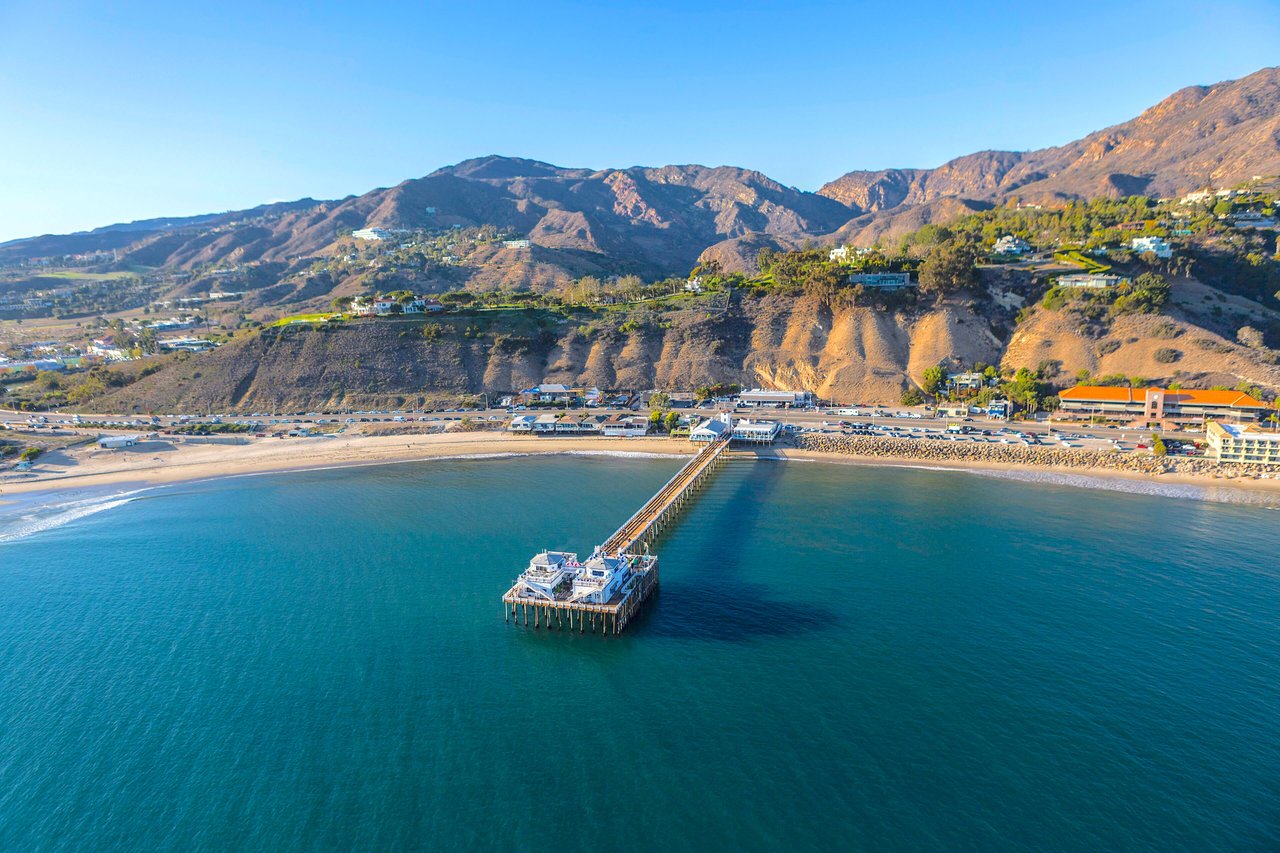
Discover three reasons buyers are drawn to East Malibu.
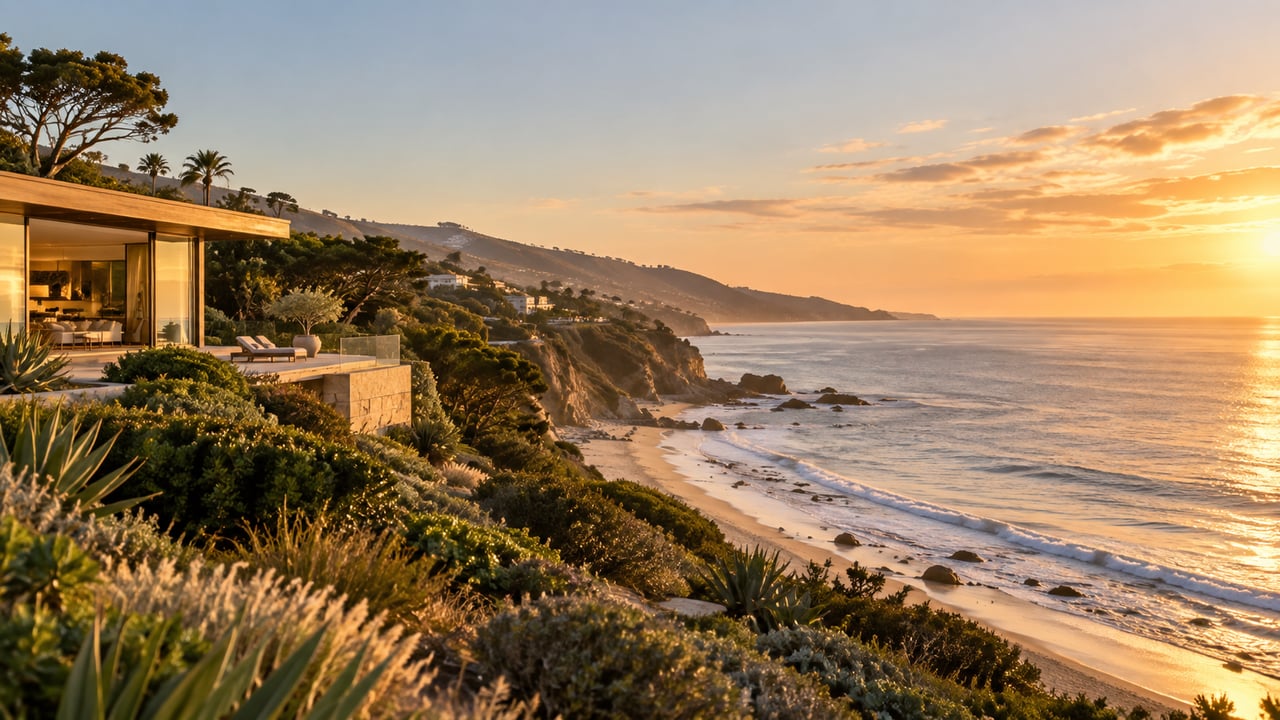
Why space, privacy and easy beach access continue to draw buyers to West Malibu.
A closer look at a just-sold Malibu home

The Malibu Life Team
Madison Hildebrand | CA DRE# 01413280
Jennifer Chrisman | CA DRE# 01325526
24903 Pacific Coast Highway #200,
Malibu, CA 90265